

Picoplano Sulfuroso vs Picoplano Aliamarillo (flavotectus)
Tolmomyias sulphurescens frente a Tolmomyias flavotectus
Juega un quiz con Picoplano Sulfuroso y Picoplano Aliamarillo (flavotectus)
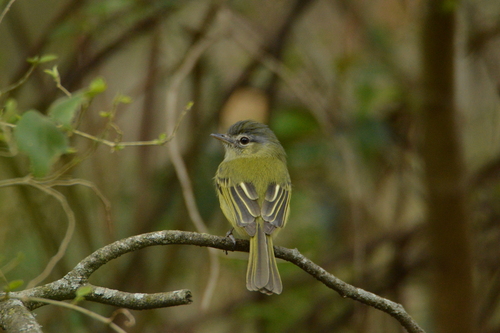 Picoplano Sulfuroso
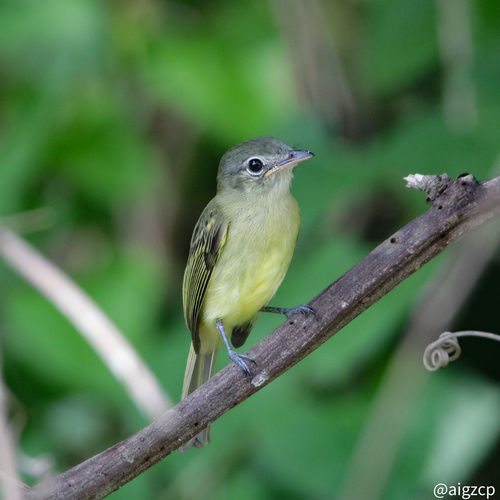 Picoplano Aliamarillo (flavotectus)
En breve
La marca de campo más confiable entre el Picoplano Sulfuroso y el Picoplano Aliamarillo es el patrón de las alas: el Picoplano Aliamarillo adulto muestra bordes anchos y brillantes de color amarillo en las plumas de las alas, creando un aspecto distintivamente de alas amarillas, mientras que el Picoplano Sulfuroso tiene bordes más estrechos de color amarillo-oliva y menos contraste. El color de la cabeza también es clave: el Picoplano Aliamarillo tiene una cabeza gris oscura con un anillo ocular blanco nítido, mientras que el Picoplano Sulfuroso tiene una corona de oliva con un anillo ocular más delgado y menos obvio. Los juveniles de ambas especies son más apagados, pero los juveniles del Picoplano Aliamarillo carecen de la fuerte cabeza gris y tienen menos amarillo distintivo en las alas. Ambas especies son similares en tamaño y estructura, pero sus rangos solo se superponen en partes de América Central y el noroeste de América del Sur. Usa primero el patrón de alas y cabeza, especialmente en aves posadas, y ten cuidado con los juveniles, que pueden ser confusos.
Consejos de identificación
- Patrón de alas (adultos): Busca bordes anchos y brillantes de color amarillo en las plumas de las alas del Picoplano Aliamarillo, creando un fuerte efecto de alas amarillas. El Picoplano Sulfuroso tiene bordes más estrechos y apagados de color amarillo-oliva, formando dos barras en las alas pero careciendo del brillo amarillo general.
- Color de la cabeza: El Picoplano Aliamarillo tiene una cabeza gris oscura con un anillo ocular blanco nítido, mientras que el Picoplano Sulfuroso tiene una corona y nuca de oliva con un anillo ocular blanco más delgado y menos distintivo y a veces un supercilio blanco delgado.
- Confusión juvenil: El juvenil del Picoplano Aliamarillo carece de la fuerte cabeza gris y tiene menos amarillo en las alas, haciéndolo más similar a los juveniles del Picoplano Sulfuroso, que tienen partes inferiores más pálidas, un anillo ocular roto y un iris oscuro. En los juveniles, el patrón de alas y cabeza es menos confiable, así que ten cuidado.
- Partes inferiores: Ambas especies tienen vientres y coberturas de la cola amarillas, pero la garganta y el pecho del Picoplano Aliamarillo son de un gris pálido con un lavado amarillento, mientras que los del Picoplano Sulfuroso son más de un color oliva-verdoso a grisáceo.
- Marcas faciales: El Picoplano Sulfuroso puede mostrar una delgada banda blanca sobre los lóbulos y un delgado anillo ocular blanco; el anillo ocular blanco del Picoplano Aliamarillo es más prominente y completo.
- Cola: Ambas especies tienen colas de color verde oliva a marrón con bordes pálidos, no son un separador fuerte.
- Pico: Ambas tienen un pico ancho y plano con una maxila negra y una mandíbula pálida; el color y la forma del pico no son confiables para la separación.
- Color del iris: El iris del Picoplano Sulfuroso es variable (marrón pálido a gris pálido, a veces oscuro en algunas subespecies/juveniles); el del Picoplano Aliamarillo es de oliva a marrón oscuro. Esto es sutil y no siempre visible en el campo.
- Tamaño y estructura: Ambas son similares en tamaño y proporciones; no te bases en el tamaño o el jizz para la separación.
- Rango: Si estás fuera de Colombia, Costa Rica, Panamá o el noroeste de Ecuador, casi con seguridad tienes un Picoplano Sulfuroso. En zonas de superposición, usa marcas de plumaje.
- Hábitat: En áreas de superposición, el Picoplano Aliamarillo es más probable que se encuentre en interiores de bosques húmedos y en bosques secundarios maduros; el Picoplano Sulfuroso es más generalista.
- Vistas de vuelo: En vuelo, busca el fuerte amarillo en las alas del Picoplano Aliamarillo (adultos); las alas del Picoplano Sulfuroso son menos llamativas.
- Confusión de subespecies: El Picoplano Sulfuroso es altamente variable a lo largo de su rango, pero ninguna de sus formas muestra los amplios bordes amarillos brillantes de las alas del Picoplano Aliamarillo.
- Voz: No descrita en las notas proporcionadas; no la uses como separador aquí.
- Temporada/sexo: Ambas especies son sexualmente monomórficas y no muestran cambios estacionales fuertes en el plumaje.
Tamaño
Ambas especies son muy similares en tamaño: el Picoplano Sulfuroso mide 12.5–14 cm de largo y pesa 14.5–15.2 g, mientras que el Picoplano Aliamarillo mide 13–13.5 cm y alrededor de 15 g. En el campo, el tamaño no es un separador útil, ya que ambas son pequeñas, con picos planos y proporciones similares. El ancho y la longitud del pico son comparables, y ambas tienen un pico ancho y plano típico de Tolmomyias, por lo que las diferencias estructurales son sutiles y no confiables para la separación.
Plumaje
-
Juveniles: Ambas especies tienen plumaje más apagado y menos contrastante que los adultos. El juvenil del Picoplano Sulfuroso muestra partes inferiores más pálidas, un anillo ocular roto y un iris oscuro. El juvenil del Picoplano Aliamarillo carece de la fuerte cabeza gris y tiene bordes amarillos menos distintivos en las alas, haciendo que el efecto de 'alas amarillas' sea más débil que en los adultos.
-
Adultos (todas las estaciones):
- Picoplano Aliamarillo: Cabeza gris oscura con un anillo ocular blanco nítido, espalda y cola de color verde oliva, y bordes anchos y brillantes de color amarillo en las plumas de las alas (especialmente en las coberturas y remiges), haciendo que las alas se vean distintivamente con márgenes amarillos incluso a distancia. La garganta y el pecho son de un gris pálido con un lavado amarillento, el vientre y las coberturas de la cola son amarillas.
-
Picoplano Sulfuroso: Corona y nuca de oliva, delgada banda blanca sobre los lóbulos, delgado anillo ocular blanco y partes superiores de color verde oliva. Las alas son oscuras o negruzcas con bordes amarillos-oliva en las coberturas (formando dos barras en las alas) y bordes amarillos en las remiges, pero estos son más estrechos y menos vibrantes que en el Picoplano Aliamarillo. La garganta es de un gris verdoso pálido, el pecho y los flancos son de un oliva grisáceo, y el vientre/coberturas de la cola son de un amarillo brillante. La cola es marrón a oscura con bordes amarillos.
-
Variación de subespecies: El Picoplano Sulfuroso tiene muchas subespecies con diferencias sutiles en el color de la corona, marcas faciales y tono del vientre, pero ninguna muestra los amplios bordes amarillos de las alas del Picoplano Aliamarillo.
Comportamiento
Ambas especies forrajean en el medio dosel hasta el dosel, a menudo uniéndose a bandadas de especies mixtas. Generalmente se ven solas o en parejas, raramente en grupos. El comportamiento de forrajeo es similar: lanzándose por insectos desde posaderos y recolectando de la vegetación. Ninguna de las especies es particularmente conspicua en movimiento o vuelo, y ambas pueden pasarse por alto en la densa vegetación. El comportamiento de anidación no es una marca de campo útil, ya que ambas construyen nidos de bolsa suspendidos, aunque el nido del Picoplano Aliamarillo se describe como en forma de pera con una entrada de túnel inclinada.
Hábitat
El Picoplano Sulfuroso tiene un rango mucho más amplio, encontrado desde México a través de América Central, Trinidad y casi toda América del Sur, excepto Chile. Ocupa una amplia variedad de tipos de bosques, incluyendo bordes y crecimiento secundario. El Picoplano Aliamarillo está restringido a los bosques húmedos de la ladera caribeña desde Costa Rica a través de Panamá y Colombia occidental hasta el norte de Ecuador, y está ausente en el este de América del Sur y la mayor parte de América Central. Donde los rangos se superponen (Costa Rica, Panamá, Colombia occidental, noroeste de Ecuador), las preferencias de hábitat pueden converger, pero el Picoplano Aliamarillo está más vinculado a los interiores de bosques húmedos y al crecimiento secundario maduro, mientras que el Picoplano Sulfuroso se puede encontrar en una gama más amplia de hábitats boscosos.
Picoplano Sulfuroso · Picoplano Aliamarillo (flavotectus) · Mis aves difíciles