

graúna-de-cabeça-amarela vs pedro-ceroulo
Xanthocephalus xanthocephalus versus Sturnella magna
Jogue um quiz com graúna-de-cabeça-amarela e pedro-ceroulo
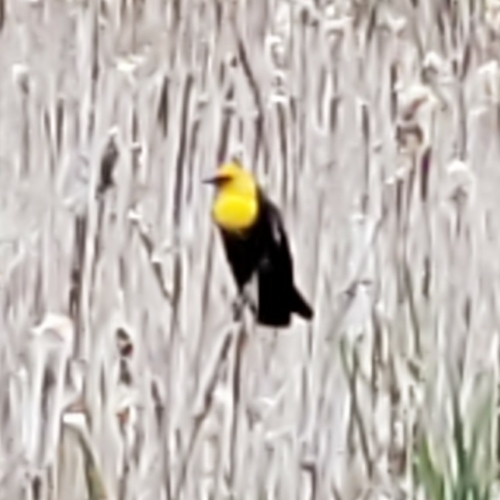 graúna-de-cabeça-amarela
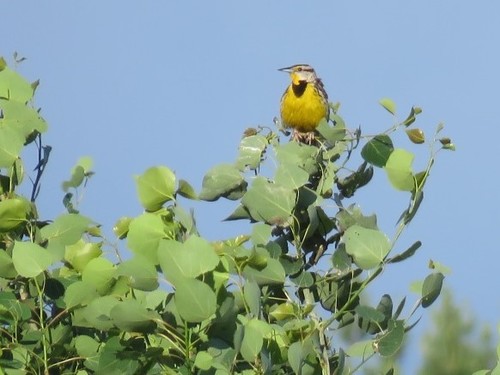 pedro-ceroulo
Em resumo
A marca de campo mais confiável para separar a graúna-de-cabeça-amarela do pedro-ceroulo é a cor da cabeça e do peito: os machos adultos da graúna-de-cabeça-amarela têm uma cabeça e peito amarelos impressionantes, enquanto os pedro-ceroulo apresentam uma garganta e barriga amarelas com um 'V' preto ousado no peito e uma cabeça marrom estriada. Em voo, os machos adultos da graúna-de-cabeça-amarela mostram uma mancha branca na asa, às vezes visível apenas quando o pássaro está voando ou abrindo as asas, enquanto os pedro-ceroulo têm penas de cauda externas brancas e não apresentam branco nas asas. Fêmeas e imaturos de ambas as espécies são mais apagados e marrons, mas a estrutura e a forma do bico da graúna-de-cabeça-amarela permanecem distintas. Ambas as espécies podem ser encontradas em áreas abertas, mas as graúnas-de-cabeça-amarela estão ligadas a pântanos, enquanto os pedro-ceroulo preferem campos e pastagens. A voz também é uma pista forte: as graúnas-de-cabeça-amarela têm chamados ásperos e estridentes, enquanto os pedro-ceroulo emitem canções claras e assobiadas.
Dicas de identificação
- Cor da cabeça e do peito (machos adultos): Os machos da graúna-de-cabeça-amarela têm uma cabeça e peito amarelos brilhantes; os machos do pedro-ceroulo têm uma garganta e barriga amarelas, mas uma cabeça marrom estriada e um 'V' preto ousado no peito.
- Mancha branca na asa (graúna-de-cabeça-amarela): A graúna-de-cabeça-amarela adulta e alguns imaturos mostram uma mancha branca na asa, visível em voo ou quando as asas estão abertas; o pedro-ceroulo nunca mostra branco nas asas.
- Penas externas da cauda brancas (pedro-ceroulo): Em voo, o pedro-ceroulo mostra penas externas da cauda brancas, especialmente ao abrir a cauda; a graúna-de-cabeça-amarela não possui essa característica.
- Forma do bico: A graúna-de-cabeça-amarela tem um bico pontudo e cônico; o bico do pedro-ceroulo é mais longo, reto e mais parecido com uma adaga, adequado para sondar.
- Plumagem em imaturos/fêmeas: Imaturos e fêmeas da graúna-de-cabeça-amarela são marrons com amarelo apagado na garganta e no peito, às vezes com uma mancha branca fraca na asa; imaturos/fêmeas do pedro-ceroulo são marrons por cima com listras de cabeça ousadas, partes inferiores amarelas e um 'V' preto no peito.
- Padrão das costas e da cabeça: O pedro-ceroulo tem um dorso marrom fortemente estriado e uma cabeça com listras claras e escuras; a graúna-de-cabeça-amarela é mais uniformemente marrom (fêmeas/imaturos) ou preta (machos adultos) com poucas listras na cabeça.
- Padrão das flancos: O pedro-ceroulo mostra flancos brancos com listras pretas; a graúna-de-cabeça-amarela não possui essas listras nos flancos.
- Canção: A graúna-de-cabeça-amarela emite canções e chamados ásperos e estridentes, semelhantes a uma dobradiça enferrujada; o pedro-ceroulo canta notas claras, assobiadas e melódicas.
- Habitat: A graúna-de-cabeça-amarela está quase sempre em pântanos com vegetação emergente; o pedro-ceroulo está em campos, pastagens e pastos, raramente em pântanos.
- Comportamento de empoleiramento: A graúna-de-cabeça-amarela frequentemente se empoleira em juncos ou taboas; o pedro-ceroulo prefere postes de cerca, arbustos baixos ou o chão.
- Formação de bandos: Fora da temporada de reprodução, as graúnas-de-cabeça-amarela podem estar em grandes bandos mistos de pássaros pretos; os pedro-ceroulo se reúnem com sua própria espécie.
- Contexto sazonal: Se visto em um pântano durante a temporada de reprodução, especialmente no ocidente ou centro dos EUA, a graúna-de-cabeça-amarela é provável; em um campo aberto ou pastagem, especialmente no leste, espere encontrar o pedro-ceroulo.
- Tamanho e volume: O pedro-ceroulo é frequentemente mais pesado e volumoso, especialmente as fêmeas, mas isso é sutil e se sobrepõe; use com cautela.
- Diferenças sexuais: Fêmeas e imaturos da graúna-de-cabeça-amarela podem ser confundidos com os pedro-ceroulo, mas procure o amarelo apagado na garganta/no peito e a possível mancha branca na asa em voo.
- Quando em dúvida: Ouça a canção ou o chamado e note o habitat e o comportamento—esses frequentemente confirmam a identificação quando a plumagem é ambígua.
Tamanho
A graúna-de-cabeça-amarela é um pássaro de tamanho médio, medindo 21–26 cm de comprimento com uma envergadura de 42–44 cm e uma massa corporal típica em torno de 69,5 g [wikidata]. O pedro-ceroulo é semelhante ou ligeiramente maior, medindo 19–28 cm de comprimento e uma envergadura de 35–40 cm, mas com uma faixa de massa corporal mais pesada (76–150 g) [wikipedia]. Ambos são pássaros robustos, mas o pedro-ceroulo é frequentemente mais volumoso e pesado, especialmente nas fêmeas. A forma do bico também é uma pista: a graúna-de-cabeça-amarela tem um bico mais pontudo e cônico, enquanto o bico do pedro-ceroulo é longo e reto, adaptado para sondar.
Plumagem
- Pássaros imaturos/não reprodutores: Ambas as espécies podem parecer marrons e apagadas, mas os imaturos da graúna-de-cabeça-amarela (ambos os sexos) são marrons com amarelo apagado na cabeça e no peito, e os machos imaturos podem mostrar um pouco de branco na asa, especialmente em voo. Os imaturos e adultos não reprodutores do pedro-ceroulo mantêm as partes inferiores amarelas com um 'V' preto, mas suas partes superiores e flancos são mais amarelo-marrons e fortemente estriados, e a cabeça é fortemente listrada.
- Machos adultos: Os machos da graúna-de-cabeça-amarela são pretos com uma cabeça e peito amarelos brilhantes e uma mancha branca na asa (melhor vista em voo). Os machos do pedro-ceroulo têm uma garganta e barriga amarelas, um 'V' preto no peito, flancos brancos com listras pretas e um dorso e coroa marrons e estriados.
- Fêmeas adultas: As fêmeas da graúna-de-cabeça-amarela são marrons com uma garganta e peito amarelos apagados, sem o contraste brilhante do macho, mas ainda mais volumosas e com um bico mais robusto do que os pedro-ceroulo. As fêmeas do pedro-ceroulo são semelhantes aos machos, mas mais apagadas e menores, com o mesmo padrão de partes inferiores amarelas e um 'V' preto.
- Voo: A graúna-de-cabeça-amarela mostra uma mancha branca na asa em voo (adultos e alguns imaturos), enquanto o pedro-ceroulo mostra penas externas da cauda brancas, mas sem mancha na asa.
Comportamento
As graúnas-de-cabeça-amarela são frequentemente vistas empoleiradas proeminentemente em juncos ou taboas em pântanos, especialmente os machos durante a temporada de reprodução, e podem formar grandes bandos barulhentos fora da temporada de reprodução. Os pedro-ceroulo são mais propensos a serem encontrados caminhando ou forrageando no chão em campos ou empoleirados em postes de cerca e vegetação baixa. Ambas as espécies podem ser vistas em bandos no inverno, mas as graúnas-de-cabeça-amarela são mais propensas a se misturar com outros pássaros pretos, enquanto os pedro-ceroulo tendem a se reunir com sua própria espécie.
Habitat
A graúna-de-cabeça-amarela está fortemente associada a pântanos e áreas úmidas, especialmente aqueles com densas colônias de taboas, junças ou juncos, e faz ninhos sobre água aberta. O pedro-ceroulo prefere campos abertos, pastagens, campos de feno e áreas agrícolas com grama alta, e raramente ocorre em pântanos. Se o pássaro estiver em uma área úmida com vegetação emergente, a graúna-de-cabeça-amarela é muito mais provável; em pastagens secas ou terras agrícolas, espere encontrar o pedro-ceroulo.
Voz
A canção da graúna-de-cabeça-amarela é uma série áspera e estridente de notas, frequentemente comparada a uma dobradiça enferrujada, com machos emitindo tanto canções de 'acento' quanto canções de 'zumbido' de tom mais alto. Os chamados também são ásperos e estridentes. O pedro-ceroulo, por outro lado, canta uma série de notas claras, puras e assobiadas, frequentemente descritas como doces ou melancólicas, e muito mais simples do que a canção do western meadowlark. A voz é frequentemente a maneira mais fácil de separá-los se o pássaro estiver cantando.
graúna-de-cabeça-amarela · pedro-ceroulo · Minhas aves difíceis