

Yellow-headed Blackbird vs Eastern Meadowlark
Xanthocephalus xanthocephalus contro Sturnella magna
Fai un quiz con Yellow-headed Blackbird e Eastern Meadowlark
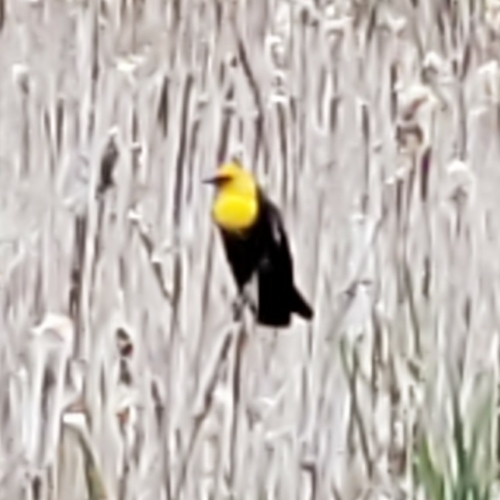 Yellow-headed Blackbird
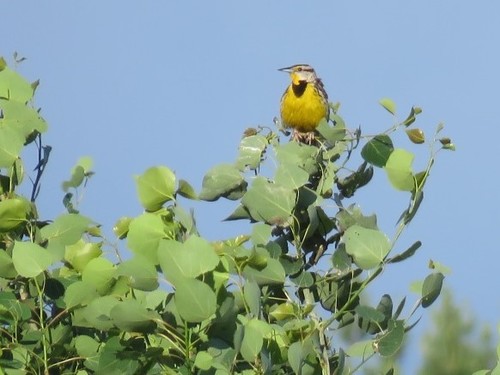 Eastern Meadowlark
In breve
Il segno di campo più affidabile per separare il Yellow-headed Blackbird dall'Eastern Meadowlark è il colore della testa e del petto: i maschi adulti di Yellow-headed Blackbird hanno una testa e un petto giallo vivace, mentre gli Eastern Meadowlark mostrano una gola e un ventre gialli con una bold 'V' nera sul petto e una testa striata di marrone. In volo, i maschi adulti di Yellow-headed Blackbird mostrano una macchia bianca sulle ali, a volte visibile solo quando l'uccello sta volando o aprendo le ali, mentre gli Eastern Meadowlark hanno piume esterne della coda bianche e non mostrano bianco nelle ali. Le femmine e gli immaturi di entrambe le specie sono più opachi e marroni, ma la struttura e la forma del becco del Yellow-headed Blackbird rimangono distintive. Entrambe le specie possono essere trovate in campagna aperta, ma i Yellow-headed Blackbird sono legati alle paludi, mentre gli Eastern Meadowlark preferiscono i prati e i campi. La voce è anche un forte indizio: i Yellow-headed Blackbird hanno richiami aspri e graffianti, mentre gli Eastern Meadowlark emettono canti chiari e fischiati.
Consigli di identificazione
- Colore della testa e del petto (maschi adulti): I maschi di Yellow-headed Blackbird hanno una testa e un petto giallo brillante; i maschi di Eastern Meadowlark hanno una gola e un ventre gialli ma una testa marrone striata e una bold 'V' nera sul petto.
- Macchia bianca sulle ali (Yellow-headed Blackbird): I Yellow-headed Blackbird adulti e alcuni immaturi mostrano una macchia bianca sulle ali, visibile in volo o quando le ali sono aperte; l'Eastern Meadowlark non mostra mai bianco nelle ali.
- Piume esterne della coda bianche (Eastern Meadowlark): In volo, l'Eastern Meadowlark mostra piume esterne della coda bianche, specialmente quando fanna la coda; il Yellow-headed Blackbird manca di questa caratteristica.
- Forma del becco: Il Yellow-headed Blackbird ha un becco appuntito e conico; il becco dell'Eastern Meadowlark è più lungo, dritto e simile a un pugnale, adatto per sondare.
- Piumaggio negli immaturi/femmine: Gli immaturi e le femmine di Yellow-headed Blackbird sono marroni con giallo opaco sulla gola e sul petto, a volte con una leggera macchia bianca sulle ali; gli immaturi/femmine di Eastern Meadowlark sono marroni sopra con strisce di testa audaci, parti inferiori gialle e una 'V' nera sul petto.
- Schema del dorso e della testa: L'Eastern Meadowlark ha un dorso marrone pesantemente striato e una testa con strisce chiare e scure audaci; il Yellow-headed Blackbird è di un marrone più uniforme (femmine/immaturi) o nero (maschi adulti) con poche striature sulla testa.
- Schema dei fianchi: L'Eastern Meadowlark mostra fianchi bianchi con strisce nere; il Yellow-headed Blackbird manca di queste striature sui fianchi.
- Canto: Il Yellow-headed Blackbird emette canti aspri, graffianti e simili a cerniere arrugginite; l'Eastern Meadowlark canta note chiare, fischiate e melodiche.
- Habitat: Il Yellow-headed Blackbird si trova quasi sempre in paludi con vegetazione emergente; l'Eastern Meadowlark si trova in prati, campi e pascoli, raramente in paludi.
- Comportamento di posarsi: Il Yellow-headed Blackbird spesso si posa su canne o giunchi; l'Eastern Meadowlark preferisce pali di recinzione, arbusti bassi o il terreno.
- Flocking: Fuori dalla stagione di nidificazione, i Yellow-headed Blackbird possono trovarsi in grandi stormi misti di uccelli neri; gli Eastern Meadowlark si raggruppano con la propria specie.
- Contesto stagionale: Se visto in una palude durante la stagione di nidificazione, specialmente nel centro o nell'ovest degli Stati Uniti, è probabile che sia un Yellow-headed Blackbird; in un campo aperto o in un pascolo, specialmente a est, aspettati un Eastern Meadowlark.
- Dimensione e massa: L'Eastern Meadowlark è spesso più pesante e robusto, specialmente le femmine, ma questo è sottile e si sovrappone; usare con cautela.
- Differenze sessuali: Le femmine e gli immaturi di Yellow-headed Blackbird possono essere confusi con gli Eastern Meadowlark, ma cerca il giallo opaco sulla gola/petto e la possibile macchia bianca sulle ali in volo.
- Quando hai dubbi: Ascolta il canto o il richiamo e nota l'habitat e il comportamento—questi spesso confermano l'identificazione quando il piumaggio è ambiguo.
Taglia
Il Yellow-headed Blackbird è un uccello di dimensioni medie, misurando 21–26 cm di lunghezza con un'apertura alare di 42–44 cm e una massa corporea tipica di circa 69,5 g [wikidata]. L'Eastern Meadowlark è simile o leggermente più grande, con una lunghezza di 19–28 cm e un'apertura alare di 35–40 cm, ma con un intervallo di massa corporea più pesante (76–150 g) [wikipedia]. Entrambi sono uccelli robusti, ma l'Eastern Meadowlark è spesso più massiccio e pesante, specialmente nelle femmine. La forma del becco è anche un indizio: il Yellow-headed Blackbird ha un becco più appuntito e conico, mentre il becco dell'Eastern Meadowlark è lungo e dritto, adattato per sondare.
Piumaggio
- Uccelli immaturi/non nidificanti: Entrambe le specie possono apparire marroni e opache, ma gli immaturi di Yellow-headed Blackbird (entrambi i sessi) sono marroni con giallo opaco sulla testa e sul petto, e i maschi immaturi possono mostrare del bianco nell'ala, specialmente in volo. Gli immaturi e gli adulti non nidificanti di Eastern Meadowlark mantengono le parti inferiori gialle con una 'V' nera, ma le loro parti superiori e i fianchi sono più marrone-gialli e pesantemente striati, e la testa è audacemente striata.
- Maschi adulti: I maschi di Yellow-headed Blackbird sono neri con una testa e un petto giallo brillante e una macchia bianca sulle ali (meglio visibile in volo). I maschi di Eastern Meadowlark hanno una gola e un ventre gialli, una 'V' nera sul petto, fianchi bianchi con strisce nere e un dorso e una corona marroni e striati.
- Femmine adulte: Le femmine di Yellow-headed Blackbird sono marroni con una gola e un petto giallo opaco, mancando del contrasto brillante del maschio, ma sono comunque più robuste e con un becco più robusto rispetto agli Eastern Meadowlark. Le femmine di Eastern Meadowlark sono simili ai maschi ma più opache e più piccole, con lo stesso schema di parti inferiori gialle e una 'V' nera.
- Volo: Il Yellow-headed Blackbird mostra una macchia bianca sulle ali in volo (adulti e alcuni immaturi), mentre l'Eastern Meadowlark mostra piume esterne della coda bianche ma nessuna macchia sulle ali.
Comportamento
I Yellow-headed Blackbird sono spesso visti posati in modo prominente su canne o giunchi nelle paludi, specialmente i maschi durante la stagione di nidificazione, e possono formare grandi stormi rumorosi al di fuori della stagione di nidificazione. Gli Eastern Meadowlark sono più propensi a essere trovati a camminare o cercare cibo a terra nei prati o posati su pali di recinzione e vegetazione bassa. Entrambe le specie possono essere viste in stormi in inverno, ma i Yellow-headed Blackbird sono più propensi a mescolarsi con altri uccelli neri, mentre gli Eastern Meadowlark tendono a raggrupparsi con la propria specie.
Habitat
Il Yellow-headed Blackbird è fortemente associato a paludi e zone umide, specialmente quelle con dense formazioni di canne, giunchi o canneti, e nidifica sopra acque aperte. L'Eastern Meadowlark preferisce prati aperti, pascoli, campi di fieno e aree agricole con erba alta, e si verifica raramente nelle paludi. Se l'uccello si trova in una zona umida con vegetazione emergente, è molto più probabile che sia un Yellow-headed Blackbird; in un prato secco o in un terreno agricolo, aspettati un Eastern Meadowlark.
Voce
Il canto del Yellow-headed Blackbird è una serie di note aspre e graffianti, spesso paragonate a una cerniera arrugginita, con i maschi che emettono sia canti 'accentuati' che canti 'buzz' di tono più alto. Anche i richiami sono aspri e graffianti. L'Eastern Meadowlark, al contrario, canta una serie di note chiare, pure e fischiate, spesso descritte come dolci o malinconiche, e molto più semplici rispetto al canto del western meadowlark. La voce è spesso il modo più semplice per separarli se l'uccello sta cantando.
Yellow-headed Blackbird · Eastern Meadowlark · I miei uccelli difficili