

Motmot

キガシラムクドリモドキ 対 ヒガシマキバドリ

Xanthocephalus xanthocephalus 対 Sturnella magna

キガシラムクドリモドキとヒガシマキバドリのクイズ
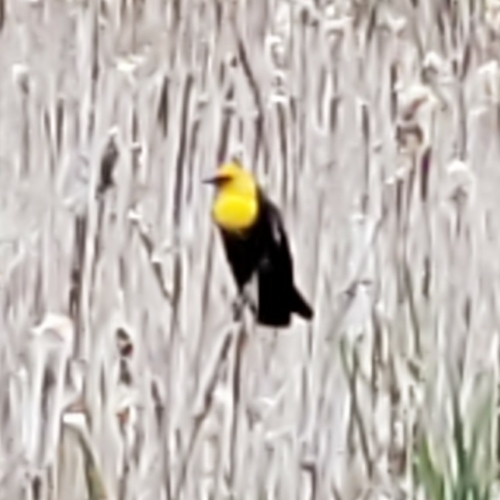
キガシラムクドリモドキ (Xanthocephalus xanthocephalus) キガシラムクドリモドキ
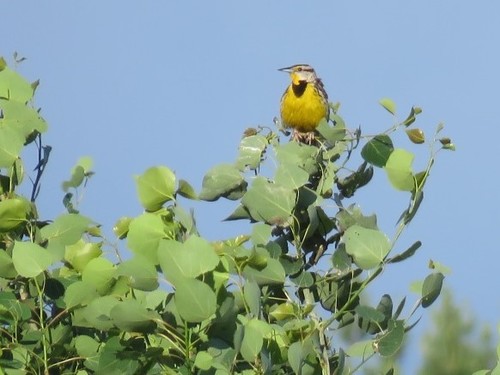
ヒガシマキバドリ (Sturnella magna) ヒガシマキバドリ

メディア

読み込み中…

要点

キガシラムクドリモドキとヒガシマキバドリを区別する最も信頼できるフィールドマークは、頭部と胸部の色です:成鳥のオスのキガシラムクドリモドキは目を引く黄色の頭と胸を持ち、ヒガシマキバドリは胸に大胆な黒の「V」があり、喉と腹は黄色で、頭は茶色の縞模様を示します。飛行中、成鳥のオスのキガシラムクドリモドキは白い翼のパッチを示し、時には鳥が飛んでいるときや翼を広げているときにのみ見えることがありますが、ヒガシマキバドリは白い外尾羽を持ち、翼には白がありません。両種の雌と幼鳥はより鈍く茶色ですが、キガシラムクドリモドキの構造とくちばしの形は独特です。両種は開けた土地に見られますが、キガシラムクドリモドキは湿地に結びついており、ヒガシマキバドリは草原や畑を好みます。声も強い手がかりです:キガシラムクドリモドキは粗く、耳障りな鳴き声を持ち、ヒガシマキバドリは明確で口笛のような歌を歌います。

識別のコツ

  1. Head and breast color (adult males): キガシラムクドリモドキのオスは明るい黄色の頭と胸を持ち、ヒガシマキバドリのオスは黄色の喉と腹を持ちますが、茶色の縞模様の頭と胸に大胆な黒の「V」があります。
  2. White wing patch (キガシラムクドリモドリ): 成鳥と一部の幼鳥のキガシラムクドリモドリは白い翼のパッチを示し、飛行中または翼を広げたときに見えます;ヒガシマキバドリは翼に白を示しません。
  3. White outer tail feathers (ヒガシマキバドリ): 飛行中、ヒガシマキバドリは特に尾を扇ぐときに白い外尾羽を示します;キガシラムクドリモドリはこの特徴を欠いています。
  4. Bill shape: キガシラムクドリモドリは尖った円錐形のくちばしを持ち、ヒガシマキバドリのくちばしは長く、まっすぐで、探るのに適しています。
  5. Plumage in immatures/females: 幼鳥と雌のキガシラムクドリモドリは茶色で、喉と胸に鈍い黄色を持ち、時には淡い白い翼のパッチを持つことがあります;ヒガシマキバドリの幼鳥/雌は上面が茶色で、太い頭の縞模様、黄色の腹部、胸に黒の「V」を持ちます。
  6. Back and head pattern: ヒガシマキバドリは茶色の背中に濃い薄い縞模様があり、キガシラムクドリモドリはより均一な茶色(雌/幼鳥)または黒(成鳥のオス)で、頭の縞模様は少ないです。
  7. Flank pattern: ヒガシマキバドリは黒い縞模様のある白い側面を示し、キガシラムクドリモドリはこの側面の縞模様を欠いています。
  8. Song: キガシラムクドリモドリは粗く、耳障りで、錆びたヒンジのような歌と鳴き声を出し、ヒガシマキバドリは明確で口笛のようなメロディックな音を歌います。
  9. Habitat: キガシラムクドリモドリはほぼ常に浮遊植物のある湿地に生息し、ヒガシマキバドリは草原、畑、牧草地に生息し、湿地にはめったに現れません。
  10. Perching behavior: キガシラムクドリモドリはしばしば葦やガマに止まりますが、ヒガシマキバドリはフェンスの柱、低い低木、または地面を好みます。
  11. Flocking: 繁殖期以外では、キガシラムクドリモドリは大きな混合の黒鳥の群れにいることがありますが、ヒガシマキバドリは自種の群れを作ります。
  12. Seasonal context: 繁殖期に湿地で見られた場合、特に米国の西部または中央部では、キガシラムクドリモドリの可能性が高いです;開けた野原や牧草地で、特に東部ではヒガシマキバドリを期待してください。
  13. Size and bulk: ヒガシマキバドリはしばしば重く、特に雌はより大きいですが、これは微妙で重なります;注意して使用してください。
  14. Sex differences: 雌と幼鳥のキガシラムクドリモドリはヒガシマキバドリと混同されることがありますが、喉/胸の鈍い黄色と飛行中の可能な白い翼のパッチを探してください。
  15. When in doubt: 歌や鳴き声を聞き、habitat と行動に注意を払いましょう—これらは羽毛があいまいなときに識別を確定することがよくあります。

大きさ

キガシラムクドリモドキは中型の黒鳥で、体長21–26 cm、翼幅42–44 cm、典型的な体重は約69.5 gです [wikidata]。ヒガシマキバドリは同様かやや大きく、体長19–28 cm、翼幅35–40 cmですが、体重範囲はより重い(76–150 g)です [wikipedia]。両者は頑丈な鳥ですが、ヒガシマキバドリはしばしばより大きく、重いです、特に雌において。くちばしの形も手がかりです:キガシラムクドリモドキはより尖った円錐形のくちばしを持ち、ヒガシマキバドリのくちばしは長く、まっすぐで、探るのに適しています。

羽色

行動

キガシラムクドリモドキはしばしば湿地の葦やガマに目立って止まっているのが見られ、特に繁殖期のオスはそうです。繁殖期以外では大きくて騒がしい群れを形成することがあります。ヒガシマキバドリは草原で地面を歩いたり餌を探したりしているのが見られることが多く、フェンスの柱や低い植生に止まっています。両種は冬に群れで見られることがありますが、キガシラムクドリモドキは他の黒鳥と混ざることが多く、ヒガシマキバドリは自種と群れを作る傾向があります。

生息環境

キガシラムクドリモドキは湿地や水辺に強く関連しており、特に葦やガマ、または葦の密集した場所に生息し、開水面の上に巣を作ります。ヒガシマキバドリは開けた草原、牧草地、干し草地、背の高い草のある農業地域を好み、湿地にはめったに現れません。もし鳥が浮遊植物のある湿地にいる場合、キガシラムクドリモドキの可能性が高いです;乾燥した草原や農地では、ヒガシマキバドリを期待してください。

声

キガシラムクドリモドリの歌は粗く、耳障りな音の連続で、しばしば錆びたヒンジに例えられ、オスは「アクセント」と高音の「バズ」ソングの両方を出します。呼び声も粗く、耳障りです。対照的に、ヒガシマキバドリは明確で純粋な口笛の音の連続を歌い、しばしば甘美または憂鬱と形容され、西部のヒガシマキバドリの歌よりもはるかにシンプルです。声は、鳥が歌っているときにそれらを区別する最も簡単な方法です。

より良い説明を送る

比較と同じ項目を使ってください。文章はすぐに公開されます。

The most reliable field mark to separate Yellow-headed Blackbird from Eastern Meadowlark is the head and breast color: adult male Yellow-headed Blackbirds have a striking yellow head and breast, while Eastern Meadowlarks show a yellow throat and belly with a bold black 'V' on the breast and a streaked brown head. In flight, adult male Yellow-headed Blackbirds show a white wing patch, sometimes visible only when the bird is flying or spreading its wings, while Eastern Meadowlarks have white outer tail feathers and lack any white in the wings. Females and immatures of both species are duller and browner, but the Yellow-headed Blackbird's structure and bill shape remain distinctive. Both species can be found in open country, but Yellow-headed Blackbirds are tied to marshes, while Eastern Meadowlarks favor grasslands and fields. Voice is also a strong clue: Yellow-headed Blackbirds have harsh, grating calls, while Eastern Meadowlarks give clear, whistled songs.

  1. Head and breast color (adult males): Yellow-headed Blackbird males have a bright yellow head and breast; Eastern Meadowlark males have a yellow throat and belly but a brown, streaked head and a bold black 'V' on the breast.
  2. White wing patch (Yellow-headed Blackbird): Adult and some immature Yellow-headed Blackbirds show a white wing patch, visible in flight or when wings are spread; Eastern Meadowlark never shows white in the wings.
  3. White outer tail feathers (Eastern Meadowlark): In flight, Eastern Meadowlark shows white outer tail feathers, especially when fanning the tail; Yellow-headed Blackbird lacks this feature.
  4. Bill shape: Yellow-headed Blackbird has a pointed, conical bill; Eastern Meadowlark's bill is longer, straighter, and more dagger-like, suited for probing.
  5. Plumage in immatures/females: Immature and female Yellow-headed Blackbirds are brown with dull yellow on the throat and breast, sometimes with a faint white wing patch; Eastern Meadowlark immatures/females are brown above with bold head stripes, yellow underparts, and a black 'V' on the breast.
  6. Back and head pattern: Eastern Meadowlark has a heavily streaked brown back and a head with bold pale and dark stripes; Yellow-headed Blackbird is more uniform brown (females/immatures) or black (adult males) with little head striping.
  7. Flank pattern: Eastern Meadowlark shows white flanks with black streaks; Yellow-headed Blackbird lacks this flank streaking.
  8. Song: Yellow-headed Blackbird gives harsh, grating, rusty-hinge-like songs and calls; Eastern Meadowlark sings clear, whistled, melodic notes.
  9. Habitat: Yellow-headed Blackbird is almost always in marshes with emergent vegetation; Eastern Meadowlark is in grasslands, fields, and pastures, rarely in marshes.
  10. Perching behavior: Yellow-headed Blackbird often perches on reeds or cattails; Eastern Meadowlark prefers fenceposts, low shrubs, or the ground.
  11. Flocking: Outside breeding season, Yellow-headed Blackbirds may be in large, mixed blackbird flocks; Eastern Meadowlarks flock with their own species.
  12. Seasonal context: If seen in a marsh during breeding season, especially in the western or central US, Yellow-headed Blackbird is likely; in an open field or pasture, especially in the east, expect Eastern Meadowlark.
  13. Size and bulk: Eastern Meadowlark is often heavier and bulkier, especially females, but this is subtle and overlaps; use with caution.
  14. Sex differences: Female and immature Yellow-headed Blackbirds can be confused with meadowlarks, but look for the dull yellow on throat/breast and possible white wing patch in flight.
  15. When in doubt: Listen for the song or call, and note habitat and behavior—these often clinch the identification when plumage is ambiguous.

Yellow-headed Blackbird is a medium-sized blackbird, measuring 21–26 cm in length with a wingspan of 42–44 cm and a typical body mass around 69.5 g [wikidata]. Eastern Meadowlark is similar or slightly larger, at 19–28 cm in length and a wingspan of 35–40 cm, but with a heavier body mass range (76–150 g) [wikipedia]. Both are robust birds, but the meadowlark is often bulkier and heavier, especially in females. Bill shape is also a clue: Yellow-headed Blackbird has a more pointed, conical bill, while Eastern Meadowlark's bill is long and straight, adapted for probing.

  • Immature/Nonbreeding birds: Both species can appear brownish and dull, but immature Yellow-headed Blackbirds (both sexes) are brown with dull yellow on the head and breast, and immature males may show some white in the wing, especially in flight. Eastern Meadowlark immatures and nonbreeding adults retain the yellow underparts with a black 'V', but their upperparts and flanks are more yellow-brown and heavily streaked, and the head is boldly striped.
  • Adult males: Yellow-headed Blackbird males are black with a bright yellow head and breast and a white wing patch (best seen in flight). Eastern Meadowlark males have a yellow throat and belly, a black 'V' on the breast, white flanks with black streaks, and a brown, streaked back and crown.
  • Adult females: Female Yellow-headed Blackbirds are brown with a dull yellow throat and breast, lacking the male's bright contrast, but still bulkier and with a stouter bill than meadowlarks. Female Eastern Meadowlarks are similar to males but duller and smaller, with the same pattern of yellow underparts and black 'V'.
  • Flight: Yellow-headed Blackbird shows a white wing patch in flight (adults and some immatures), while Eastern Meadowlark shows white outer tail feathers but no wing patch.

Yellow-headed Blackbirds are often seen perched prominently on reeds or cattails in marshes, especially males during the breeding season, and can form large, noisy flocks outside the breeding season. Eastern Meadowlarks are more likely to be found walking or foraging on the ground in grasslands or perched on fenceposts and low vegetation. Both species may be seen in flocks in winter, but Yellow-headed Blackbirds are more likely to mix with other blackbirds, while Eastern Meadowlarks tend to flock with their own kind.

Yellow-headed Blackbird is strongly associated with marshes and wetlands, especially those with dense stands of cattails, bulrushes, or reeds, and nests over open water. Eastern Meadowlark prefers open grasslands, pastures, hayfields, and agricultural areas with tall grass, and rarely occurs in marshes. If the bird is in a wetland with emergent vegetation, Yellow-headed Blackbird is far more likely; in dry grassland or farmland, expect Eastern Meadowlark.

Yellow-headed Blackbird's song is a harsh, grating series of notes, often compared to a rusty hinge, with males giving both 'accent' and higher-pitched 'buzz' songs. Calls are also harsh and grating. Eastern Meadowlark, by contrast, sings a series of clear, pure, whistled notes, often described as sweet or melancholy, and much simpler than the western meadowlark's song. Voice is often the easiest way to separate them if the bird is singing.

変更を破棄しますか?

保存していない編集があります。今離れると失われます。

キガシラムクドリモドキ · ヒガシマキバドリ · 苦手な鳥