

felosa-listada vs felosa-de-hume
Phylloscopus inornatus versus Phylloscopus humei
Jogue um quiz com felosa-listada e felosa-de-hume
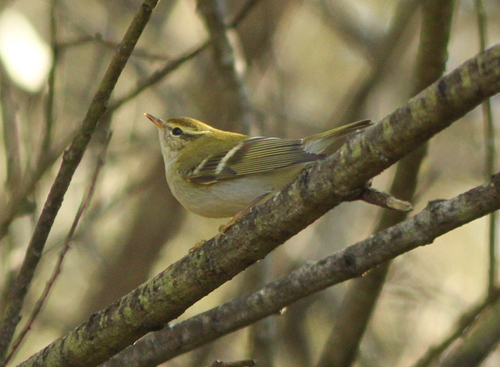 felosa-listada
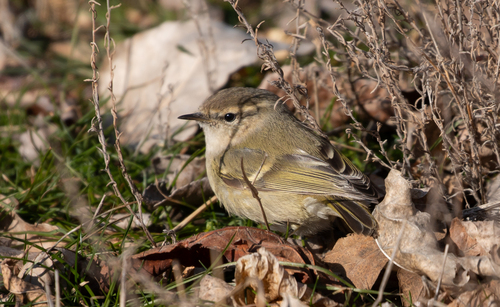 felosa-de-hume
Em resumo
A marca de campo mais confiável para separar a felosa-listada da felosa-de-hume é o número e a clareza das barras alares: a felosa-listada mostra consistentemente duas barras alares pálidas distintas, enquanto a felosa-de-hume geralmente tem apenas uma barra alar forte e, no máximo, um traço fraco de uma segunda. A felosa-de-hume também parece mais apagada no geral, com pernas mais escuras e um mandíbulas inferior escura, em comparação com a felosa-listada, que é mais brilhante e amarelada. Ambas as espécies são pequenas, ativas e têm hábitos semelhantes, mas seus chamados são notavelmente diferentes se ouvidos bem. Preste atenção especial ao padrão da asa superior em todas as idades, pois esta é a marca de campo mais prática na zona de sobreposição.
Dicas de identificação
- Barras alares (todas as idades, empoleiradas ou em voo): A felosa-listada sempre mostra duas barras alares pálidas claras (maiores e medianas); a felosa-de-hume tem apenas uma barra alar forte e, no máximo, uma segunda barra fraca. Esta é a marca de campo mais confiável em todos os plumagens.
- Brilho geral: A felosa-listada é visivelmente mais brilhante e mais esverdeada acima, com um ventre mais limpo e branco. A felosa-de-hume parece mais apagada e mais acinzentada ou oliva, com menos contraste.
- Cor das pernas e do bico: A felosa-de-hume tem pernas claramente escuras e um mandíbulas inferior escura, enquanto as pernas e o mandíbulas inferior da felosa-listada são mais claras. Isso é melhor visto em boa luz e de perto.
- Supercílios: Ambas têm um longo supercílios pálido, mas o da felosa-listada geralmente é mais marcante devido ao plumagem mais brilhante. Não é um separador primário por si só.
- Bordas das tertiais: Ambas mostram bordas amareladas nas tertiais, mas isso não é um separador entre as duas.
- Faixa na coroa: Algumas felosas-listadas mostram uma fraca faixa central pálida na coroa, mas muitas não; a felosa-de-hume também pode mostrar uma faixa na coroa, então isso não é uma marca de campo confiável.
- Chamado: O chamado da felosa-listada é um 'tseeweest' alto e penetrante, muitas vezes dissilábico; o da felosa-de-hume é um 'chwee' mais suave e piando. Aprender os chamados é muito útil, mas tenha cuidado com a variação individual e as condições de escuta ruins.
- Canção: A felosa-listada canta uma mistura de apitos agudos; a canção da felosa-de-hume é mais zumbidora e aguda. A canção raramente é ouvida durante a migração ou no inverno.
- Habitat: Ambas usam habitats semelhantes durante a migração e o inverno; o habitat não é um separador confiável, exceto na época de reprodução (não relevante para a maioria dos registros europeus).
- Comportamento: Ambas as espécies são altamente ativas, arbóreas e inquietas; o comportamento não ajuda a separá-las.
- Tamanho e estrutura: Ambas são pequenas, de cauda curta e semelhantes em forma; o tamanho não é uma marca de campo útil.
- Armadilhas: Pássaros desgastados ou mal iluminados podem parecer mais apagados ou perder contraste nas barras alares, dificultando a separação. Sempre tente ver as barras alares claramente.
- Contexto sazonal: Na Europa Ocidental, a felosa-listada é muito mais provável no outono e no inverno; a felosa-de-hume é um vagante raro. No entanto, não confie apenas na raridade para identificação.
- Sexo e idade: Sem dimorfismo sexual; as diferenças de idade estão principalmente na clareza das barras alares, mas o padrão de duas barras versus uma barra se mantém para todas as idades.
- Quando em dúvida: Priorize vistas claras da asa superior e da cor das pernas, e tente obter uma gravação do chamado, se possível.
Tamanho
Ambas as espécies estão entre as menores felosas do Velho Mundo e são muito próximas em tamanho, com a felosa-listada medindo 9,5–11 cm de comprimento e pesando 4–9 g. A felosa-de-hume é igualmente pequena, e o tamanho não é um separador confiável em campo. Ambas são claramente menores que uma felosa-comum, mas ligeiramente maiores que a felosa-de-pallas. As proporções estruturais (bico, cauda, asa) não são destacadas como diagnósticas nas fontes disponíveis.
Plumagem
A principal distinção de plumagem, visível em todas as idades e especialmente crítica para imaturos e aves em voo, é o padrão das barras alares. A felosa-listada mostra duas barras alares pálidas proeminentes: uma barra longa e clara nas coberturas maiores e uma barra mais curta, mas ainda óbvia, nas coberturas medianas. A felosa-de-hume, por outro lado, tem apenas uma barra alar forte (coberturas maiores) e, no máximo, um vestígio fraco, muitas vezes mal visível, de uma segunda (coberturas medianas). A felosa-de-hume também parece geralmente mais apagada e menos verde acima, com menos contraste entre as partes superiores e inferiores. Ambas as espécies têm tertiais com bordas amarelas e um longo supercílios pálido, mas a felosa-de-hume é menos brilhante no geral. As pernas e o mandíbulas inferior da felosa-de-hume são claramente mais escuras do que os tons mais claros da felosa-listada. Algumas felosas-listadas podem mostrar uma fraca faixa central na coroa, mas isso é variável e não um separador primário.
Comportamento
Ambas as espécies são altamente ativas, arbóreas e raramente ficam paradas, frequentemente se alimentando nos ramos externos das árvores e se movendo constantemente. Seu comportamento e aparência são muito semelhantes, e ambas podem ser difíceis de observar bem devido à sua inquietação. Nenhuma das espécies é particularmente tímida, mas seu pequeno tamanho e hábitos de copa tornam-nas desafiadoras de seguir com binóculos. Nenhuma diferença comportamental é destacada como diagnóstica.
Habitat
A felosa-listada se reproduz em toda a parte oriental do Paleártico em florestas de planície e montanhas, hibernando principalmente no sul e sudeste asiático tropical, mas também regularmente na Europa Ocidental. A felosa-de-hume se reproduz nas montanhas da Ásia interior e hiberna principalmente na Índia. Na zona de sobreposição (montanhas Sayan ocidentais), ambas podem ocorrer juntas, mas o habitat não é um separador confiável durante a migração ou no inverno. Ambas as espécies usam habitats semelhantes de floresta e borda de floresta durante a migração e o inverno.
Voz
As vocalizações são um forte separador se ouvidas bem. A felosa-listada emite um chamado 'tseeweest' penetrante, muitas vezes dissilábico, que é alto para seu tamanho e tem uma canção assobiada aguda. A felosa-de-hume tem uma canção mais zumbidora e aguda e um chamado 'chwee' mais piando e dissilábico. Os chamados são distintos para ouvidos experientes, mas a confusão é possível se apenas chamados breves ou de baixa qualidade forem ouvidos.