

Luì forestiero vs Luì di Hume
Phylloscopus inornatus contro Phylloscopus humei
Fai un quiz con Luì forestiero e Luì di Hume
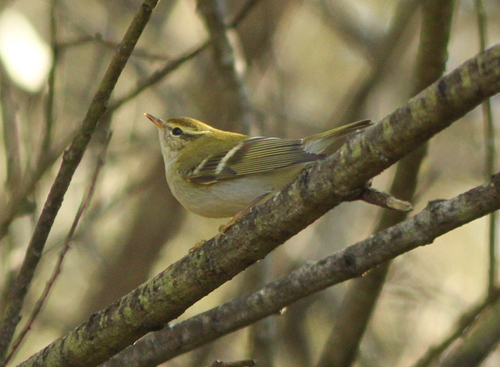 Luì forestiero
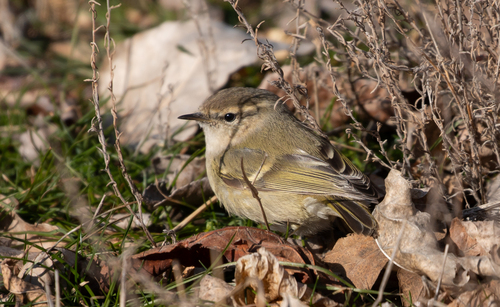 Luì di Hume
In breve
Il segno di campo più affidabile per separare il Luì forestiero dal Luì di Hume è il numero e la chiarezza delle barre alari: il Luì forestiero mostra costantemente due barre alari chiare e distinte, mentre il Luì di Hume di solito ha solo una barra alare forte e al massimo una debole traccia di una seconda. Il Luì di Hume appare anche più opaco nel complesso, con zampe più scure e un mandibola inferiore scura, rispetto al Luì forestiero, che è più luminoso e giallastro. Entrambe le specie sono piccoli, attivi luì con struttura e abitudini simili, ma i loro richiami sono notevolmente diversi se ascoltati bene. Presta particolare attenzione al modello dell'ala superiore in tutte le età, poiché questo è il segno di campo più pratico nella zona di sovrapposizione.
Consigli di identificazione
- Wing bars (all ages, perched or in flight): Il Luì forestiero mostra sempre due barre alari chiare e pallide (copritrici maggiori e mediane); il Luì di Hume ha solo una barra alare forte e al massimo una seconda barra debole. Questo è il segno di campo più affidabile in tutte le livree.
- Overall brightness: Il Luì forestiero è visibilmente più luminoso e più verdastro sopra, con un ventre più pulito e bianco. Il Luì di Hume appare più opaco e più grigiastro o olivastro, con meno contrasto.
- Leg and bill color: Il Luì di Hume ha zampe distintamente scure e un mandibola inferiore scura, mentre le zampe e il mandibola inferiore del Luì forestiero sono più chiare. Questo è meglio visibile in buona luce e da vicino.
- Supercilium: Entrambi hanno un lungo supercilium pallido, ma quello del Luì forestiero è di solito più evidente a causa della livrea complessivamente più luminosa. Non è un separatore primario da solo.
- Tertial edges: Entrambi mostrano bordi giallastri sui tertiali, ma questo non è un separatore tra i due.
- Crown stripe: Alcuni Luì forestieri mostrano una debole striscia centrale della corona pallida, ma molti no; il Luì di Hume può mostrare una striscia della corona, quindi questo non è un segno di campo affidabile.
- Call: Il richiamo del Luì forestiero è un forte, acuto, spesso disillabico 'tseeweest'; il richiamo del Luì di Hume è un 'chwee' più sommesso e cinguettante. Imparare i richiami è molto utile, ma fai attenzione alla variazione individuale e alle condizioni di ascolto scadenti.
- Song: Il Luì forestiero canta un medley di fischi acuti; il canto del Luì di Hume è più ronzante e acuto. Il canto è raramente udito in migrazione o in inverno.
- Habitat: Entrambi utilizzano habitat simili in migrazione e in inverno; l'habitat non è un separatore affidabile tranne che nella stagione di nidificazione (non rilevante per la maggior parte dei record europei).
- Behavior: Entrambe le specie sono altamente attive, arboree e irrequiete; il comportamento non aiuta a separarle.
- Size and structure: Entrambi sono piccoli, con code corte e simili nella forma; la dimensione non è un segno di campo utile.
- Pitfalls: Uccelli usurati o poco illuminati possono apparire più opachi o perdere contrasto nelle barre alari, rendendo più difficile la separazione. Cerca sempre di vedere chiaramente le barre alari.
- Seasonal context: Nell'Europa occidentale, il Luì forestiero è molto più probabile in autunno e inverno; il Luì di Hume è un raro vagabondo. Tuttavia, non fare affidamento solo sulla rarità per l'identificazione.
- Sex and age: Nessun dimorfismo sessuale; le differenze di età sono principalmente nella chiarezza delle barre alari, ma il modello a due barre contro una barra è valido per tutte le età.
- When in doubt: Dai priorità a viste chiare dell'ala superiore e del colore delle zampe, e cerca di ottenere una registrazione del richiamo se possibile.
Taglia
Entrambe le specie sono tra i più piccoli luì del Vecchio Mondo e sono molto simili in dimensioni, con il Luì forestiero che misura 9.5–11 cm di lunghezza e pesa 4–9 g. Anche il Luì di Hume è simile in dimensioni, e la dimensione non è un separatore affidabile sul campo. Entrambi sono nettamente più piccoli di un fischione, ma leggermente più grandi del Luì di Pallas. Le proporzioni strutturali (becco, coda, ala) non sono evidenziate come diagnostiche nelle fonti disponibili.
Piumaggio
La chiave per la distinzione della livrea, visibile in tutte le età e particolarmente critica per gli immaturi e gli uccelli in volo, è il modello delle barre alari. Il Luì forestiero mostra due barre alari pallide e prominenti: una lunga e chiara sulla copritrici maggiori e una più corta ma ancora evidente sulle copritrici mediane. Il Luì di Hume, al contrario, ha solo una barra alare forte (copritrici maggiori) e al massimo una debole, spesso appena visibile, traccia di una seconda (copritrici mediane). Il Luì di Hume appare anche generalmente più opaco e meno verde sopra, con meno contrasto tra le parti superiori e inferiori. Entrambe le specie hanno tertiali con margini gialli e un lungo supercilium pallido, ma il Luì di Hume è complessivamente meno luminoso. Le zampe e il mandibola inferiore del Luì di Hume sono nettamente più scure rispetto alle tonalità più chiare del Luì forestiero. Alcuni Luì forestieri possono mostrare una debole striscia centrale della corona, ma questo è variabile e non è un separatore primario.
Comportamento
Entrambe le specie sono altamente attive, arboree e raramente ferme, spesso si nutrono nei rami esterni degli alberi e si muovono costantemente. Il loro comportamento e il loro aspetto sono molto simili, e entrambi possono essere difficili da osservare bene a causa della loro irrequietezza. Nessuna differenza comportamentale è evidenziata come diagnostica.
Habitat
Il Luì forestiero nidifica attraverso l'est del Paleartico in foreste di pianura e montane, svernando principalmente nel sud e sud-est asiatico tropicale, ma anche regolarmente nell'Europa occidentale. Il Luì di Hume nidifica nelle montagne dell'Asia interna e sverna principalmente in India. Nella zona di sovrapposizione (montagne Sayan occidentali), entrambi possono verificarsi insieme, ma l'habitat non è un separatore affidabile in migrazione o in inverno. Entrambe le specie utilizzano habitat simili di bosco e margine forestale durante la migrazione e l'inverno.
Voce
Le vocalizzazioni sono un forte separatore se ascoltate bene. Il Luì forestiero emette un richiamo acuto, spesso disillabico 'tseeweest' che è forte per le sue dimensioni e ha un canto fischiante ad alta tonalità. Il Luì di Hume ha un canto più ronzante e acuto e un richiamo più cinguettante e disillabico 'chwee'. I richiami sono distintivi per orecchie esperte, ma la confusione è possibile se si sentono solo richiami brevi o di scarsa qualità.