

pica-pau-de-barriga-amarela vs pileated woodpecker
Sphyrapicus varius versus Dryocopus pileatus
Jogue um quiz com pica-pau-de-barriga-amarela e pileated woodpecker
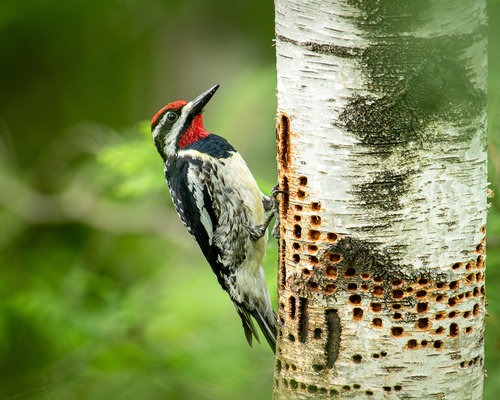 pica-pau-de-barriga-amarela
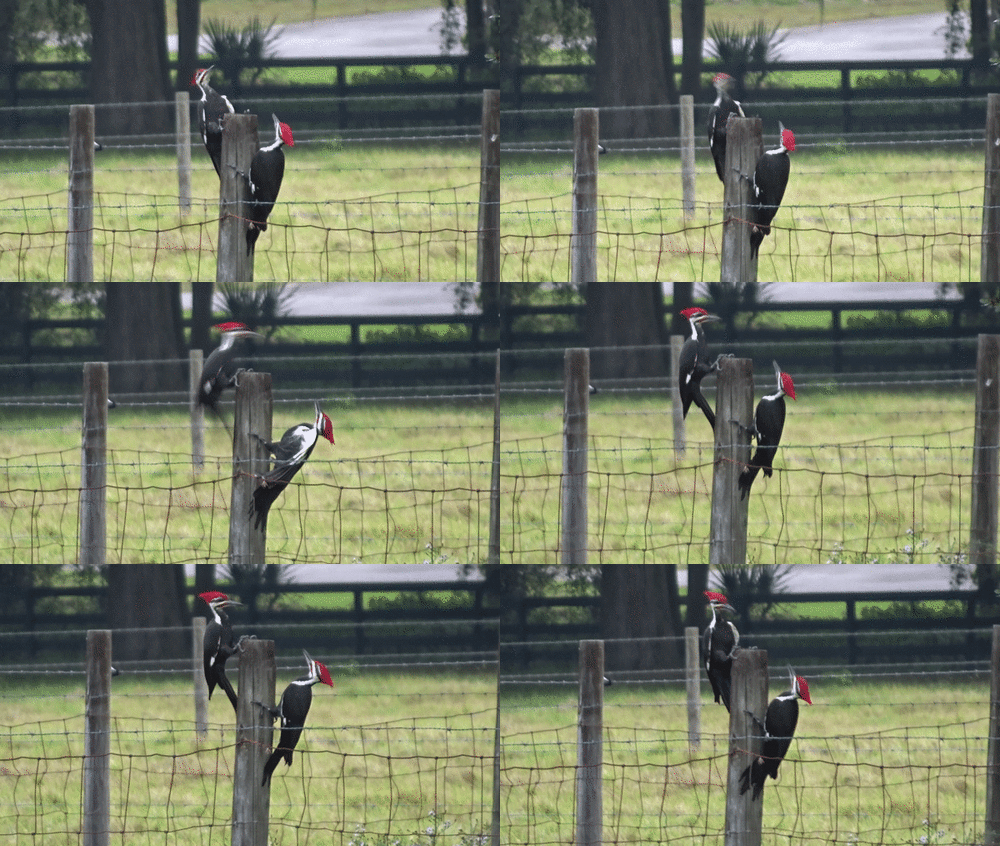 pileated woodpecker
Em resumo
A marca de campo mais confiável entre o pica-pau-de-barriga-amarela e o pica-pau-pileado é o tamanho e a estrutura geral: o pileado é um pica-pau maciço, do tamanho de um corvo, com uma crista vermelha ousada e uma faixa branca no pescoço, enquanto o pica-pau-de-barriga-amarela é muito menor e mais esbelto, com uma construção mais delicada e sem crista proeminente. Em voo, o pileado exibe grandes penas brancas nas asas e manchas brancas nas asas, enquanto os pica-paus têm penas de asas menores, listradas e um painel de asa branco. Os pica-paus juvenis são marrons manchados e carecem do forte contraste preto e branco do pileado. Se você ver um pica-pau com um bico enorme, uma crista vermelha flamejante e uma faixa branca no pescoço, é um pileado; se for menor, com uma barriga amarelada e um padrão de cabeça menos dramático, é um pica-pau-de-barriga-amarela.
Dicas de identificação
- O tamanho é a verificação mais rápida: O pileado é do tamanho de um corvo (40–49 cm, ~277 g), diminuindo o pica-pau (19–21 cm, 50 g). Se o pássaro parecer enorme para um pica-pau, é um pileado.
- Crista e forma da cabeça: O pileado tem uma crista alta e vermelha flamejante que se destaca mesmo à distância; a coroa do pica-pau é vermelha (macho) ou pálida (fêmea), mas nunca forma uma crista proeminente.
- Estrutura do bico: O pileado tem um bico longo, semelhante a um cinzel, quase do tamanho da cabeça; o bico do pica-pau é curto, reto e fino.
- Padrão facial: O pileado exibe uma faixa branca ousada que vai do bico até o pescoço (faixa no pescoço), e um malar vermelho (macho) ou malar preto (fêmea). O pica-pau tem uma faixa branca acima do olho e uma linha preta através das coberturas auriculares, mas carece da faixa no pescoço ousada.
- Partes inferiores: O pica-pau tem partes inferiores com um tom amarelado e marcas de flecha pretas; o pileado é preto por baixo, às vezes com um pouco de branco nos flancos, mas nunca amarelo.
- Padrão das asas em voo: O pileado exibe grandes manchas brancas na parte inferior e superior das asas; o pica-pau mostra um painel de asa branco e parte inferior das asas listrada, mas com menos branco no geral.
- Plumagem juvenil: Os pica-paus juvenis são marrons manchados e listrados, com um peito escamoso e cauda listrada; os juvenis pileados se parecem com adultos, mas com uma crista menos curvada.
- Cauda: A cauda do pileado é longa e em forma de cunha, usada como apoio em troncos; a cauda do pica-pau é mais curta e mais listrada em juvenis.
- Comportamento de empoleiramento: O pileado frequentemente se agarra a troncos grandes, às vezes baixo no chão, e escava grandes buracos retangulares. Os pica-paus se empoleiram em troncos/galhos menores e perfuram linhas organizadas de poços de seiva.
- Contexto do habitat: Em florestas profundas e maduras, especialmente com grandes árvores mortas, espere encontrar o pileado; em bosques de álamo ou bétula, especialmente no norte, procure o pica-pau.
- Diferenças sexuais: O macho pica-pau tem uma garganta e coroa vermelhas; a fêmea tem uma garganta branca e coroa mais pálida. O macho pileado tem uma faixa malar vermelha; a da fêmea é preta.
- Estilo de voo: O voo do pileado é pesado, direto e poderoso; o do pica-pau é mais leve e mais rápido.
- Tamanho do grupo: O pileado é geralmente solitário ou em pares; o pica-pau pode ser visto em pequenos grupos, especialmente durante a migração.
- Identidade equivocada: Pica-paus imaturos podem ser confundidos com outros pequenos pica-paus, mas nunca mostram o tamanho maciço ou a crista ousada do pileado. O pileado é improvável de ser confundido com qualquer outra coisa além do (provavelmente extinto) pica-pau-de-bico-de-marfim.
- Quando em dúvida: Se você ver um pica-pau com uma enorme crista vermelha, faixa branca no pescoço e tamanho maciço, é um pileado. Se for menor, com barriga amarelada e padrão de cabeça sutil, é um pica-pau.
Tamanho
O pica-pau-pileado é dramaticamente maior: os adultos têm entre 40–49 cm de comprimento, com uma envergadura de 66–75 cm e um peso médio em torno de 277 g (machos até 300 g). Em contraste, o pica-pau-de-barriga-amarela tem apenas 19–21 cm de comprimento, com uma envergadura de 34–40 cm e uma massa média de 50,3 g. A diferença de tamanho é óbvia em campo, especialmente se ambas as espécies são conhecidas na área. O bico do pileado também é muito mais longo e pesado, proporcional à sua cabeça, enquanto o bico do pica-pau é curto e reto.
Plumagem
- Pássaros juvenis/imaturos: Os juvenis do pica-pau-de-barriga-amarela são de um marrom oliva escuro geral, com uma cabeça listrada de bege, coroa listrada e peito escamoso; suas partes superiores são manchadas de claro e escurecidas, e a cauda é mais listrada do que nos adultos. Os juvenis do pica-pau-pileado têm cristas vermelhas menos curvadas ('estilo mohawk'), mas de outra forma se assemelham a adultos com plumagem principalmente preta, faixa branca no pescoço e penas brancas na parte inferior das asas.
- Adultos: Os adultos do pica-pau têm uma coroa vermelha (macho) ou pálida (fêmea) e testa, coroa com borda preta, faixa vertical branca no rosto e partes inferiores com um tom amarelado e marcas de flecha pretas. Os adultos pileados são principalmente pretos com uma crista vermelha proeminente, faixa branca ousada no pescoço e penas brancas na parte inferior das asas e manchas de asas visíveis em voo. Machos têm uma faixa malar vermelha, fêmeas têm uma preta. Os pica-paus carecem da crista vermelha maciça e da faixa branca no pescoço do pileado.
- Em voo: O pileado mostra extensivo branco nas asas (especialmente na parte inferior), enquanto o pica-pau mostra um painel de asa branco e parte inferior das asas listrada, mas muito menos branco no geral.
Comportamento
Os pica-paus-pileados são voadores poderosos e diretos com um voo forte e ondulante e frequentemente se agarram a troncos grandes, escavando buracos retangulares maciços. Eles são frequentemente vistos sozinhos ou em pares, defendendo territórios durante todo o ano. Os pica-paus-de-barriga-amarela são mais ágeis e frequentemente se empoleiram em galhos ou troncos menores, perfurando linhas organizadas de poços de seiva. Seu voo também é ondulante, mas menos forçado e pesado do que o do pileado. Os pica-paus podem ser vistos em grupos soltos ou sozinhos, especialmente durante a migração.
Habitat
Ambas as espécies ocorrem em florestas da América do Norte, mas o pileado prefere florestas decíduas ou mistas grandes e maduras com grandes árvores e é frequentemente encontrado em florestas profundas, enquanto o pica-pau-de-barriga-amarela se reproduz em florestas do norte e nordeste, frequentemente em bosques de álamo, bétula ou álamo, e é mais provável de ser encontrado em pequenos lotes de madeira ou habitats de borda. O pileado é residente durante todo o ano; o pica-pau é migratório em grande parte de sua área.
pica-pau-de-barriga-amarela · pileated woodpecker · Minhas aves difíceis