

Motmot

シルスイキツツキ 対 エボシクマゲラ

Sphyrapicus varius 対 Dryocopus pileatus

シルスイキツツキとエボシクマゲラのクイズ
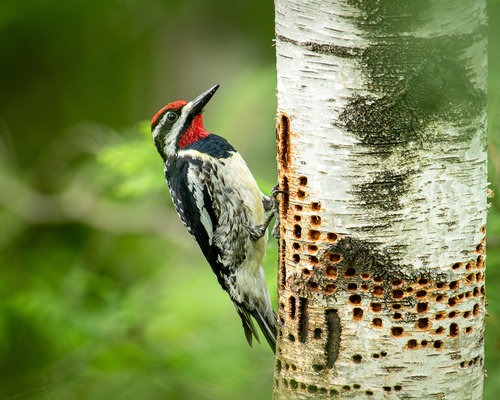
シルスイキツツキ (Sphyrapicus varius) シルスイキツツキ
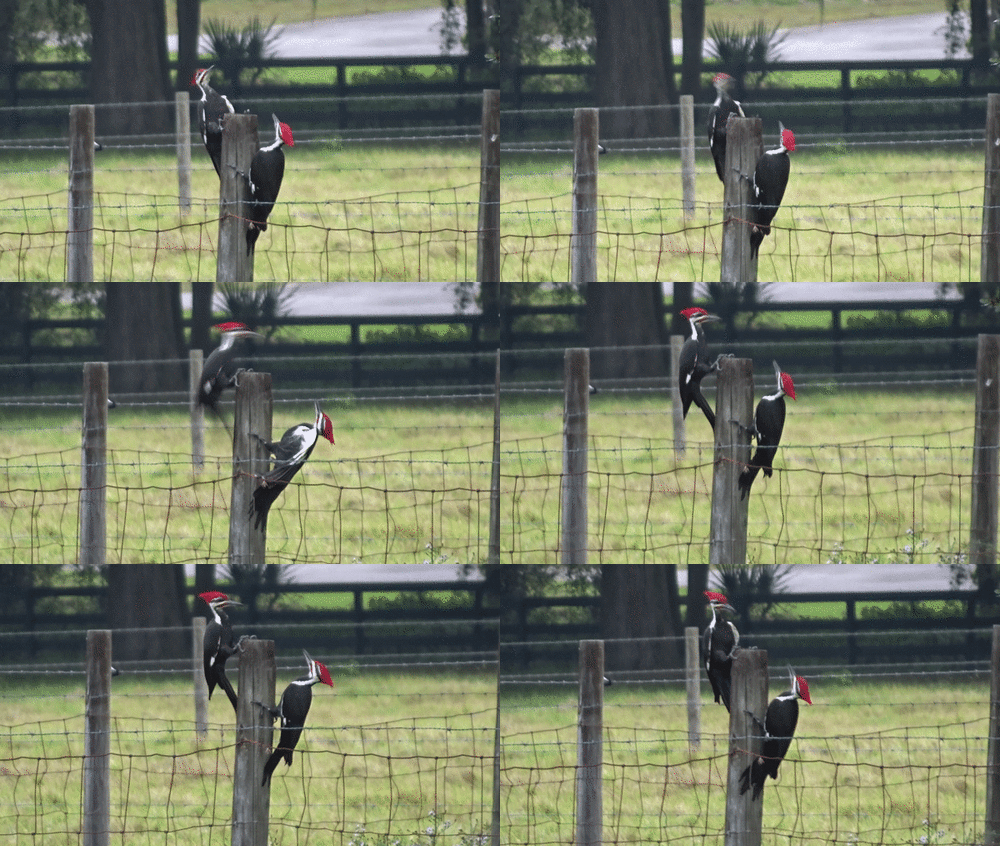
エボシクマゲラ (Dryocopus pileatus) エボシクマゲラ

メディア

読み込み中…

要点

イエローベリーサップサッカーとエボシクマゲラの最も信頼できるフィールドマークは、全体のサイズと構造です:エボシクマゲラは、太くて赤い冠と目を引く白い首のストライプを持つ、カラスサイズの巨大なキツツキですが、イエローベリーサップサッカーははるかに小さく、スリムで、より繊細な体型で目立つ冠はありません。飛行中、エボシクマゲラは大きな白い下翼と白い翼のパッチを示しますが、サップサッカーはより小さく、縞模様の下翼と白い翼のパネルを持っています。幼鳥のサップサッカーは、まだらの茶色で、エボシクマゲラの強い黒と白のコントラストが欠けています。巨大なくちばし、燃えるような赤い冠、白い首のストライプを持つキツツキを見たら、それはエボシクマゲラです;もしそれが小さく、黄色がかった腹とあまり劇的でない頭の模様を持っているなら、それはイエローベリーサップサッカーです。

識別のコツ

  1. サイズが最も早いチェックです: エボシクマゲラはカラスサイズ(40–49 cm、約277 g)で、サップサッカー(19–21 cm、50 g)を圧倒します。もしその鳥がキツツキにしては巨大に見えるなら、それはエボシクマゲラです。
  2. 冠と頭の形: エボシクマゲラは、遠くからでも目立つ高い燃えるような赤い冠を持っています;サップサッカーの冠は赤(オス)または淡い色(メス)ですが、決して目立つ冠を形成しません。
  3. くちばしの構造: エボシクマゲラは、頭とほぼ同じ長さの長いノミのようなくちばしを持っています;サップサッカーのくちばしは短く、まっすぐで細いです。
  4. 顔の模様: エボシクマゲラは、くちばしから首にかけて走る太い白いストライプ(首のストライプ)と、赤いマラ(オス)または黒いマラ(メス)を示します。サップサッカーは目の上に白いストライプと耳羽の間に黒い線がありますが、目立つ首のストライプはありません。
  5. 腹部: サップサッカーは黒い矢じりの模様がある黄色がかった腹部を持っています;エボシクマゲラは下側が黒で、時々脇に少し白があることがありますが、決して黄色ではありません。
  6. 飛行中の翼の模様: エボシクマゲラは下翼と上翼に大きな白いパッチを見せます;サップサッカーは白い翼のパネルと縞模様の下翼を示しますが、全体的に白は少ないです。
  7. 幼鳥の羽毛: 幼鳥のサップサッカーは、まだらの茶色で縞模様があり、鱗状の胸と縞模様の尾を持っています;幼鳥のエボシクマゲラは大人に似ていますが、冠があまり曲がっていません。
  8. 尾: エボシクマゲラの尾は長くてくさび形で、幹に寄りかかるために使われます;サップサッカーの尾は短く、幼鳥ではより縞模様があります。
  9. 止まり方: エボシクマゲラはしばしば大きな幹にしがみつき、時には地面に近いところで、大きな長方形の穴を掘ります。サップサッカーは小さな幹や枝に止まり、きれいな行列の樹液井戸を掘ります。
  10. 生息環境の文脈: 深く成熟した森、特に大きな枯れ木がある場所ではエボシクマゲラを期待してください;北部のアスペンやバーチの林ではサップサッカーを探してください。
  11. 性差: オスのサップサッカーは赤い喉と冠を持っています;メスは白い喉と淡い冠を持っています。オスのエボシクマゲラは赤いマラストライプを持ち、メスのものは黒です。
  12. 飛行スタイル: エボシクマゲラの飛行は重く、直接的で力強いです;サップサッカーの飛行は軽く、よりひらひらしています。
  13. 群れのサイズ: エボシクマゲラは通常、単独またはペアでいます;サップサッカーは小さな群れで見られることがあり、特に移動中です。
  14. 誤認: 幼いサップサッカーは他の小さなキツツキと混同されることがありますが、決してエボシクマゲラの巨大なサイズや目立つ冠を示しません。エボシクマゲラは、(おそらく絶滅した)ハシジロキツツキ以外の何かと混同されることはありません。
  15. 迷ったら: 巨大な赤い冠、白い首のストライプ、そして巨大なサイズを持つキツツキを見たら、それはエボシクマゲラです。もしそれが小さく、黄色がかった腹と微妙な頭の模様を持っているなら、それはサップサッカーです。

大きさ

エボシクマゲラは劇的に大きいです:成鳥は40–49 cmの長さで、翼幅は66–75 cm、平均体重は約277 g(オスは最大300 g)です。それに対して、イエローベリーサップサッカーはわずか19–21 cmの長さで、翼幅は34–40 cm、平均質量は50.3 gです。サイズの違いはフィールドで明らかで、特に両種がその地域で知られている場合は顕著です。エボシクマゲラのくちばしも頭に対してはるかに長く重いですが、サップサッカーのくちばしは短くてまっすぐです。

羽色

行動

エボシクマゲラは強力で直接的な飛行を持ち、強い波状の飛行をしばしば大きな幹にしがみつき、巨大な長方形の穴を掘ります。彼らはしばしば単独またはペアで見られ、年間を通じてテリトリーを守ります。イエローベリーサップサッカーはより敏捷で、しばしば小さな枝や幹に止まり、きれいな行列の樹液井戸を掘ります。彼らの飛行も波状ですが、エボシクマゲラよりも力強さと重さが少ないです。サップサッカーは、特に移動中に緩い群れまたは単独で見られることがあります。

生息環境

両種は北アメリカの森林に生息していますが、エボシクマゲラは大きな成熟した広葉樹または混合林を好み、大きな木がある深い森で見られることが多いです。一方、イエローベリーサップサッカーは北部および北東部の森林で繁殖し、しばしばアスペン、バーチ、またはポプラの林に生息し、小さな森林地帯やエッジの生息地で見られる可能性が高いです。エボシクマゲラは年間を通じて定住していますが、サップサッカーはその範囲の多くで移動します。

より良い説明を送る

比較と同じ項目を使ってください。文章はすぐに公開されます。

The most reliable field mark between Yellow-bellied Sapsucker and Pileated Woodpecker is overall size and structure: Pileated is a massive, crow-sized woodpecker with a bold red crest and striking white neck stripe, while Yellow-bellied Sapsucker is much smaller and slimmer, with a more delicate build and no prominent crest. In flight, Pileated shows large white underwings and white wing patches, whereas sapsuckers have smaller, barred underwings and a white wing panel. Juvenile sapsuckers are mottled brown and lack the strong black-and-white contrast of Pileated. If you see a woodpecker with a huge bill, a flaming red crest, and a white neck stripe, it's Pileated; if it's smaller, with a yellowish belly and less dramatic head pattern, it's a Yellow-bellied Sapsucker.

  1. Size is the fastest check: Pileated is crow-sized (40–49 cm, ~277 g), dwarfing the sapsucker (19–21 cm, 50 g). If the bird looks huge for a woodpecker, it's Pileated.
  2. Crest and head shape: Pileated has a tall, flaming red crest that stands out even at a distance; sapsucker's crown is red (male) or pale (female) but never forms a prominent crest.
  3. Bill structure: Pileated has a long, chisel-like bill nearly as long as its head; sapsucker's bill is short, straight, and fine.
  4. Facial pattern: Pileated shows a bold white stripe running from the bill down the neck (neck stripe), and a red malar (male) or black malar (female). Sapsucker has a white stripe above the eye and a black line through the ear-coverts, but lacks the bold neck stripe.
  5. Underparts: Sapsucker has yellow-tinged underparts with black arrowhead markings; Pileated is black below, sometimes with a little white on the flanks, but never yellow.
  6. Wing pattern in flight: Pileated flashes large white patches on the underwing and upperwing; sapsucker shows a white wing panel and barred underwing, but less white overall.
  7. Juvenile plumage: Juvenile sapsuckers are mottled brown and streaky, with a scaly breast and barred tail; juvenile Pileateds look like adults but with a less curved crest.
  8. Tail: Pileated's tail is long and wedge-shaped, used as a prop on trunks; sapsucker's tail is shorter and more barred in juveniles.
  9. Perching behavior: Pileated often clings to large trunks, sometimes low to the ground, and excavates big, rectangular holes. Sapsuckers perch on smaller trunks/branches and drill neat rows of sap wells.
  10. Habitat context: In deep, mature forest, especially with large dead trees, expect Pileated; in aspen or birch groves, especially in the north, look for sapsucker.
  11. Sex differences: Male sapsucker has a red throat and crown; female has a white throat and paler crown. Male Pileated has a red malar stripe; female's is black.
  12. Flight style: Pileated's flight is heavy, direct, and powerful; sapsucker's is lighter and more flickering.
  13. Group size: Pileated is usually solitary or in pairs; sapsucker may be seen in small groups, especially in migration.
  14. Mistaken identity: Immature sapsuckers can be confused with other small woodpeckers, but never show the massive size or bold crest of Pileated. Pileated is unlikely to be mistaken for anything but the (likely extinct) Ivory-billed Woodpecker.
  15. When in doubt: If you see a woodpecker with a huge red crest, white neck stripe, and massive size, it's Pileated. If it's smaller, with yellowish belly and subtle head pattern, it's a sapsucker.

Pileated Woodpecker is dramatically larger: adults are 40–49 cm long, with a wingspan of 66–75 cm and an average weight around 277 g (males up to 300 g). In contrast, Yellow-bellied Sapsucker is only 19–21 cm long, with a wingspan of 34–40 cm and average mass of 50.3 g. The sheer size difference is obvious in the field, especially if both species are known from the area. Pileated's bill is also much longer and heavier, proportionate to its head, while sapsucker's bill is short and straight.

  • Juvenile/immature birds: Yellow-bellied Sapsucker juveniles are dark olive-brown overall, with a buff-striped head, streaked crown, and scaly breast; their upperparts are mottled pale and blackish, and the tail is more barred than in adults. Juvenile Pileated Woodpeckers have less curved red crests ('mohawk' style), but otherwise resemble adults with mostly black plumage, white neck stripe, and white underwings.
  • Adults: Sapsucker adults have a red (male) or pale (female) crown and forehead, black-bordered crown, white vertical stripe on the face, and yellow-tinged underparts with black arrowhead marks. Pileated adults are mostly black with a prominent red crest, bold white neck stripe, and white underwings and wing patches visible in flight. Males have a red malar stripe, females have a black one. Sapsuckers lack the massive red crest and white neck stripe of Pileated.
  • In flight: Pileated shows extensive white in the wings (especially underwing), while sapsucker shows a white wing panel and barred underwing, but much less white overall.

Pileated Woodpeckers are powerful, direct fliers with strong, undulating flight and often cling to large trunks, excavating massive rectangular holes. They are often seen alone or in pairs, defending territories year-round. Yellow-bellied Sapsuckers are more agile and often perch on smaller branches or trunks, drilling neat rows of sap wells. Their flight is also undulating but less forceful and heavy than Pileated. Sapsuckers may be seen in loose groups or singly, especially in migration.

Both species occur in North American forests, but Pileated prefers large, mature deciduous or mixed forests with big trees and is often found in deep woods, while Yellow-bellied Sapsucker breeds in northern and northeastern forests, often in aspen, birch, or poplar groves, and is more likely to be found in smaller woodlots or edge habitats. Pileated is resident year-round; sapsucker is migratory in much of its range.

変更を破棄しますか?

保存していない編集があります。今離れると失われます。

シルスイキツツキ · エボシクマゲラ · 苦手な鳥