

Yellow-bellied Sapsucker vs Pileated Woodpecker
Sphyrapicus varius contro Dryocopus pileatus
Fai un quiz con Yellow-bellied Sapsucker e Pileated Woodpecker
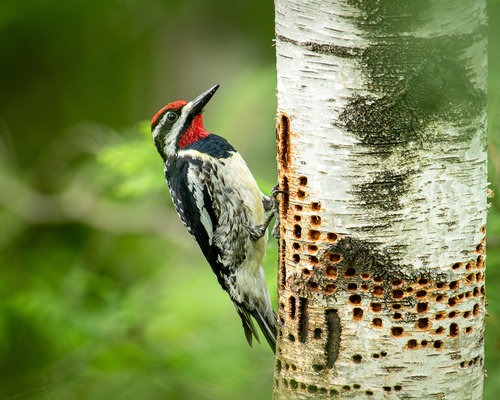 Yellow-bellied Sapsucker
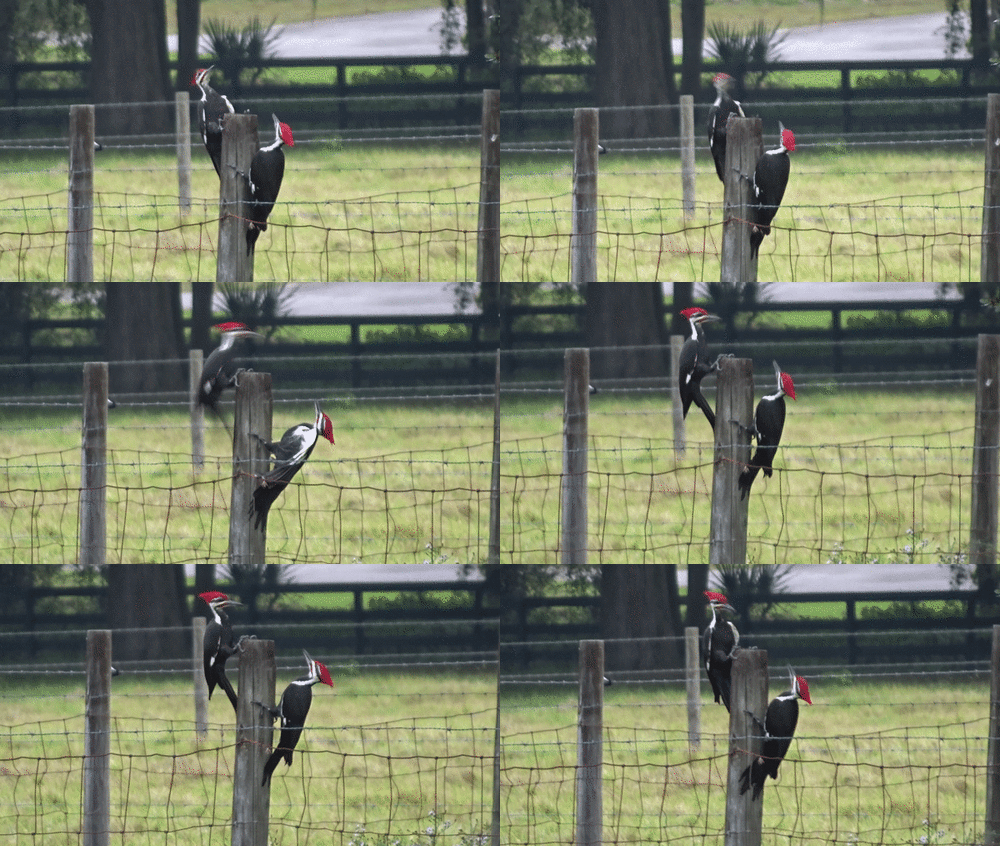 Pileated Woodpecker
In breve
Il segno di campo più affidabile tra il Yellow-bellied Sapsucker e il Pileated Woodpecker è la dimensione e la struttura complessiva: il Pileated è un picchio massiccio delle dimensioni di un corvo con una cresta rossa audace e una striscia bianca sul collo, mentre il Yellow-bellied Sapsucker è molto più piccolo e snello, con una struttura più delicata e senza una cresta prominente. In volo, il Pileated mostra grandi sottoali bianche e macchie bianche sulle ali, mentre i sapsucker hanno sottoali più piccole e barrate e un pannello bianco sulle ali. I sapsucker juvenili sono maculati di marrone e mancano del forte contrasto bianco e nero del Pileated. Se vedi un picchio con un becco enorme, una cresta rossa fiammeggiante e una striscia bianca sul collo, è un Pileated; se è più piccolo, con un ventre giallastro e un motivo della testa meno drammatico, è un Yellow-bellied Sapsucker.
Consigli di identificazione
- La dimensione è il controllo più veloce: Il Pileated è delle dimensioni di un corvo (40–49 cm, ~277 g), che sovrasta il sapsucker (19–21 cm, 50 g). Se l'uccello sembra enorme per un picchio, è un Pileated.
- Cresta e forma della testa: Il Pileated ha una cresta alta e rossa fiammeggiante che si distingue anche da lontano; la corona del sapsucker è rossa (maschio) o pallida (femmina) ma non forma mai una cresta prominente.
- Struttura del becco: Il Pileated ha un becco lungo e simile a uno scalpello, quasi lungo quanto la sua testa; il becco del sapsucker è corto, dritto e fine.
- Motivo facciale: Il Pileated mostra una striscia bianca audace che corre dal becco giù per il collo (striscia del collo), e un malar rosso (maschio) o un malar nero (femmina). Il sapsucker ha una striscia bianca sopra l'occhio e una linea nera attraverso le copritrici auricolari, ma manca della striscia audace sul collo.
- Parti inferiori: Il sapsucker ha parti inferiori con una sfumatura gialla e segni a forma di freccia nera; il Pileated è nero sotto, a volte con un po' di bianco sui fianchi, ma mai giallo.
- Motivo delle ali in volo: Il Pileated lampeggia grandi macchie bianche sulle sottoali e sulle ali superiori; il sapsucker mostra un pannello bianco sulle ali e sottoali barrate, ma meno bianco in generale.
- Piumaggio giovanile: I sapsucker juvenili sono maculati di marrone e striati, con un petto squamoso e una coda barrata; i Pileated juvenili assomigliano agli adulti ma con una cresta meno curva.
- Coda: La coda del Pileated è lunga e a forma di cuneo, usata come supporto sui tronchi; la coda del sapsucker è più corta e più barrata nei juvenili.
- Comportamento di posatura: Il Pileated spesso si aggrappa a grandi tronchi, a volte vicino al suolo, e scava grandi buchi rettangolari. I sapsucker si posano su tronchi/rami più piccoli e perforano ordinate file di pozzi di linfa.
- Contesto dell'habitat: In foreste profonde e mature, specialmente con grandi alberi morti, aspettati il Pileated; in boschetti di pioppi o betulle, specialmente a nord, cerca il sapsucker.
- Differenze sessuali: Il maschio sapsucker ha una gola e una corona rosse; la femmina ha una gola bianca e una corona più chiara. Il maschio Pileated ha una striscia malar rossa; quella della femmina è nera.
- Stile di volo: Il volo del Pileated è pesante, diretto e potente; quello del sapsucker è più leggero e più tremolante.
- Dimensione del gruppo: Il Pileated è solitamente solitario o in coppie; il sapsucker può essere visto in piccoli gruppi, specialmente in migrazione.
- Identità confusa: I sapsucker immaturi possono essere confusi con altri piccoli picchi, ma non mostrano mai la dimensione massiccia o la cresta audace del Pileated. È improbabile che il Pileated venga scambiato per qualcos'altro se non per l'Ivory-billed Woodpecker (probabilmente estinto).
- Quando in dubbio: Se vedi un picchio con una grande cresta rossa, una striscia bianca sul collo e una dimensione massiccia, è un Pileated. Se è più piccolo, con un ventre giallastro e un motivo della testa sottile, è un sapsucker.
Taglia
Il Pileated Woodpecker è drammaticamente più grande: gli adulti sono lunghi 40–49 cm, con un'apertura alare di 66–75 cm e un peso medio di circa 277 g (maschi fino a 300 g). Al contrario, il Yellow-bellied Sapsucker è lungo solo 19–21 cm, con un'apertura alare di 34–40 cm e una massa media di 50,3 g. La differenza di dimensione è evidente sul campo, specialmente se entrambe le specie sono conosciute nell'area. Il becco del Pileated è anche molto più lungo e pesante, proporzionato alla sua testa, mentre il becco del sapsucker è corto e dritto.
Piumaggio
- Uccelli giovanili/immaturi: I juvenili del Yellow-bellied Sapsucker sono di un marrone oliva scuro complessivo, con una testa striata di beige, una corona striata e un petto squamoso; le loro parti superiori sono maculate di chiaro e nerastro, e la coda è più barrata rispetto agli adulti. I Pileated Woodpeckers juvenili hanno creste rosse meno curve (stile 'mohawk'), ma altrimenti assomigliano agli adulti con piumaggio per lo più nero, striscia bianca sul collo e sottoali bianche.
- Adulti: Gli adulti sapsucker hanno una corona e una fronte rosse (maschio) o pallide (femmina), una corona bordata di nero, una striscia verticale bianca sul viso e parti inferiori con una sfumatura gialla e segni a forma di freccia nera. Gli adulti Pileated sono per lo più neri con una cresta rossa prominente, una striscia bianca audace sul collo e sottoali e macchie bianche visibili in volo. I maschi hanno una striscia malar rossa, le femmine hanno una nera. I sapsucker mancano della massiccia cresta rossa e della striscia bianca sul collo del Pileated.
- In volo: Il Pileated mostra un'estesa area bianca nelle ali (soprattutto sottoali), mentre il sapsucker mostra un pannello bianco sulle ali e sottoali barrate, ma molto meno bianco in generale.
Comportamento
I Pileated Woodpeckers sono volatori potenti e diretti con un volo forte e ondulato e spesso si aggrappano a grandi tronchi, scavando enormi buchi rettangolari. Sono spesso visti soli o in coppie, difendendo i territori tutto l'anno. I Yellow-bellied Sapsuckers sono più agili e spesso si posano su rami o tronchi più piccoli, perforando ordinate file di pozzi di linfa. Il loro volo è anche ondulato ma meno potente e pesante rispetto al Pileated. I sapsucker possono essere visti in gruppi sciolti o singolarmente, specialmente in migrazione.
Habitat
Entrambe le specie si trovano nelle foreste nordamericane, ma il Pileated preferisce grandi foreste decidue mature o miste con grandi alberi ed è spesso trovato in boschi profondi, mentre il Yellow-bellied Sapsucker nidifica in foreste settentrionali e nordorientali, spesso in boschetti di pioppi, betulle o pioppi, ed è più probabile trovarlo in piccoli boschetti o habitat di margine. Il Pileated è residente tutto l'anno; il sapsucker è migratorio in gran parte del suo areale.
Yellow-bellied Sapsucker · Pileated Woodpecker · I miei uccelli difficili