

yellow-bellied flycatcher vs papa-moscas-de-alder
Empidonax flaviventris versus Empidonax alnorum
Jogue um quiz com yellow-bellied flycatcher e papa-moscas-de-alder
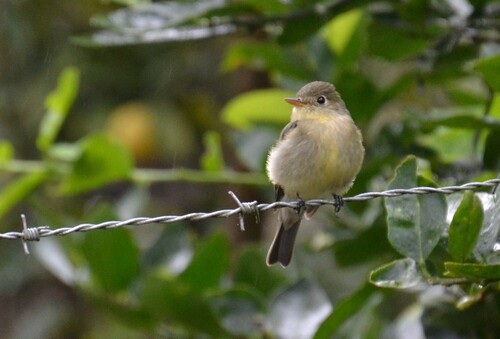 yellow-bellied flycatcher
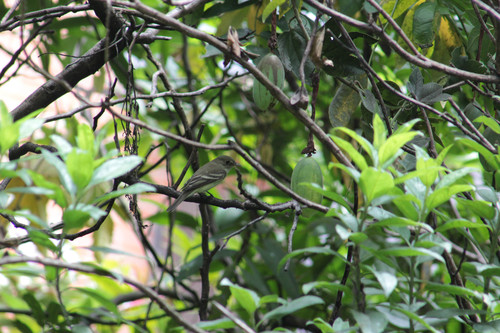 papa-moscas-de-alder
Em resumo
A marca de campo mais confiável entre o yellow-bellied flycatcher e o papa-moscas-de-alder é o tom amarelado geral das partes inferiores e da garganta no yellow-bellied, em contraste com a garganta mais branca e as partes inferiores mais opacas e tingidas de oliva do Alder. Os juvenis do papa-moscas-de-alder apresentam barras alares amarelo-buff ou marrom-amareladas, enquanto os juvenis do yellow-bellied são mais amarelos na parte inferior e têm tons de amarelo mais fortes no geral. Ambas as espécies são clássicos 'Empids'—difíceis de separar visualmente, especialmente no outono ou longe das áreas de reprodução, mas a atenção cuidadosa à cor das partes inferiores, contraste da garganta e tom das barras alares pode ajudar. Estrutura e voz também são úteis, mas cuidado com sobreposição e variação individual.
Dicas de identificação
- Plumagem juvenil: Em juvenis frescos, procure por partes superiores marrons e barras alares amarelo-buff/marrom-amareladas no Alder, em contraste com partes superiores mais verdes e partes inferiores e barras alares mais brilhantes e amarelas no yellow-bellied. Isso é mais útil no final do verão e início do outono.
- Cor das partes inferiores: O yellow-bellied apresenta uma forte lavagem amarela nas partes inferiores, especialmente na garganta; o Alder é mais opaco, com uma garganta mais branca e menos amarelo na parte inferior. Isso se mantém para a maioria das idades e estações, mas pode ser sutil em aves desgastadas ou desbotadas.
- Contraste da garganta: O papa-moscas-de-alder tem uma garganta branca que se destaca nitidamente de uma faixa peitoral mais escura, enquanto a garganta do yellow-bellied é amarelada e se mistura mais ao peito.
- Anel ocular: Ambos têm anéis oculares, mas o do yellow-bellied é frequentemente mais amarelado e pode parecer mais ousado; o do Alder é fino e branco. Isso é variável e nem sempre confiável.
- Barras alares: Ambas as espécies têm duas barras alares pálidas, mas as do yellow-bellied são frequentemente mais brancas ou amareladas, contrastando fortemente com asas pretas, enquanto as do Alder são brancas em adultos e amarelo-buff em juvenis.
- Bordas secundárias: Em vistas ou fotos próximas, o yellow-bellied mostra bordas amarelo-buff mais extensas nas secundárias do que o Alder. Isso é sutil e melhor avaliado em mãos ou com fotos excelentes.
- Cor do bico: Ambos têm um mandíbulas superior escura e uma mandíbula inferior mais clara, mas a mandíbula inferior do yellow-bellied é mais laranja-rosa, enquanto a do Alder é rosada ou amarelo-laranja. Essa é uma marca menor e pode ser difícil de julgar.
- Comprimento da cauda: O yellow-bellied tem uma cauda relativamente curta em comparação com outros Empidonax, mas o Alder também tem cauda curta; isso não é um forte separador entre os dois.
- Comportamento: Fique atento a movimentos frequentes de flicking da cauda para cima no Alder, que são menos comuns no yellow-bellied. Isso não é diagnóstico, mas pode apoiar uma identificação.
- Habitat: Na época de reprodução, o yellow-bellied prefere árvores coníferas ou mistas, especialmente em pântanos; o Alder é encontrado em arbustos úmidos com álamo ou bétula. Na migração, ambos podem ocorrer em uma gama mais ampla de habitats.
- Vocalizações: A canção é o separador mais confiável: o yellow-bellied emite um 'tse-berk' áspero e descendente; o Alder emite um claro 'fee-bee-o'. Os chamados diferem, mas são menos distintos. Use a voz apenas quando estiver confiante do cantor.
- Projeção primária/fórmula da asa: Não descrito em detalhes aqui, mas a proporção dos comprimentos primários pode separar essas espécies em mãos ou com fotos excelentes.
- Risco de confusão: Ambas as espécies são extremamente semelhantes e podem se sobrepor em todas as marcas, especialmente no outono ou longe das áreas de reprodução. Use uma combinação de marcas e, quando possível, voz para melhor precisão.
- Não confie no tamanho: As diferenças de tamanho são mínimas e não confiáveis em campo.
- Evite confusão com outros Empidonax: Ambos podem ser confundidos com o papa-mosquitos-pequeno, maria-fibiu e outros Empids; sempre considere o conjunto completo de marcas e contexto.
Tamanho
Ambas as espécies são muito semelhantes em tamanho, mas o papa-moscas-de-alder é ligeiramente maior, com um comprimento de 13–17 cm e peso de 12–14 g, em comparação com os 13–15 cm e 8,5–17 g do yellow-bellied. No campo, essa diferença é sutil e raramente diagnóstica, a menos que as aves estejam lado a lado. A envergadura é ligeiramente maior no Alder (21–24 cm vs. 18–20 cm), mas isso não é facilmente julgado em campo. Ambas têm uma aparência compacta e de cauda curta típica de Empidonax.
Plumagem
Os juvenis do papa-moscas-de-alder têm partes superiores marrons, partes inferiores amarelas e barras alares notavelmente buff ou marrom-amareladas, enquanto os juvenis do yellow-bellied são mais verdes acima e mais distintamente amarelos abaixo, com barras alares mais brilhantes e amareladas ou brancas. Nos adultos, o yellow-bellied apresenta partes superiores esverdeadas e uma forte lavagem amarela nas partes inferiores, especialmente na garganta, com um peito escuro. Os adultos do Alder são mais opacos, com partes superiores verde-oliva, uma garganta mais branca e uma faixa peitoral mais escura, e suas partes inferiores são menos amarelas no geral. Ambos têm anéis oculares, mas o do yellow-bellied é frequentemente mais amarelado, enquanto o do Alder é fino e branco. Ambos têm mandíbulas superiores escuras e mandíbulas inferiores mais claras, mas a mandíbula inferior do yellow-bellied é mais laranja-rosa, enquanto a do Alder é rosada ou amarelo-laranja. A extensão da borda buff nas secundárias é uma marca sutil, mas confiável em mãos ou em fotos próximas: o yellow-bellied mostra bordas buff mais extensas.
Comportamento
Ambas as espécies forrageiam saltando de poleiros baixos ou médios para capturar insetos, às vezes pairando brevemente. O papa-moscas-de-alder é conhecido por movimentos frequentes de flicking da cauda para cima, que podem ser uma pista comportamental, enquanto o yellow-bellied é menos propenso a mostrar isso. Ambos podem ocasionalmente comer frutas ou sementes. A postura empoleirada e o estilo de forrageio são, de outra forma, muito semelhantes.
Habitat
O yellow-bellied flycatcher prefere poleiros baixos ou médios em florestas mistas, especialmente em pântanos do norte e florestas de abeto durante a reprodução. O papa-moscas-de-alder se reproduz em arbustos úmidos, especialmente aqueles com álamo, bétula ou bordo, frequentemente em habitats arbustivos, abertos ou de borda. Embora ambos possam se sobrepor na migração, o yellow-bellied está mais associado a florestas coníferas ou mistas, e o Alder a arbustos úmidos.
Voz
As vocalizações são frequentemente a melhor maneira de separar essas espécies. A canção do yellow-bellied é um 'tse-berk' áspero e descendente, enquanto a do Alder é um 'fee-bee-o' distinto, frequentemente acompanhada de movimentos de cabeça e agitação da cauda. O Alder também emite um chamado agudo 'pit' e uma variedade de outros chamados ('zwee-oo', 'wee-oo', 'kitter'), enquanto o chamado do yellow-bellied é menos descrito aqui. A voz é mais confiável em território; cuidado com a confusão com o papa-mosquitos-pequeno e o maria-fibiu.
yellow-bellied flycatcher · papa-moscas-de-alder · Minhas aves difíceis