

Yellow-bellied Flycatcher vs Alder Flycatcher
Empidonax flaviventris contro Empidonax alnorum
Fai un quiz con Yellow-bellied Flycatcher e Alder Flycatcher
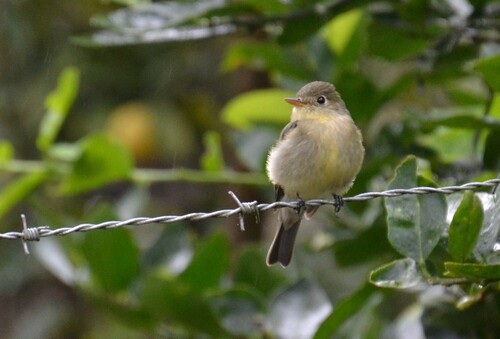 Yellow-bellied Flycatcher
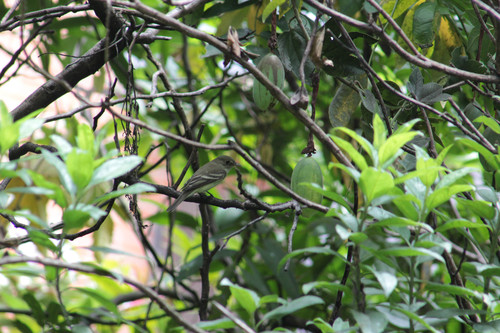 Alder Flycatcher
In breve
Il segno di campo più affidabile tra Yellow-bellied e Alder Flycatchers è il tono giallastro generale delle parti inferiori e della gola in Yellow-bellied, rispetto alla gola più bianca e alle parti inferiori più opache e tendenti all'oliva di Alder. I giovani Alder Flycatchers mostrano barre alari color crema o giallastre, mentre i giovani Yellow-bellied sono più gialli sotto e hanno toni gialli più forti in generale. Entrambe le specie sono classici 'Empids'—difficili da separare visivamente, specialmente in autunno o lontano dai luoghi di nidificazione, ma prestare attenzione al colore delle parti inferiori, al contrasto della gola e al tono delle barre alari può aiutare. La struttura e la voce sono anche utili, ma attenzione alla sovrapposizione e alla variazione individuale.
Consigli di identificazione
- Juvenile plumage: Nei giovani freschi, cerca parti superiori marroni e barre alari color crema/giallo-marrone su Alder, rispetto a parti superiori più verdi e parti inferiori e barre alari gialle più brillanti su Yellow-bellied. Questo è più utile alla fine dell'estate e all'inizio dell'autunno.
- Underpart color: Yellow-bellied mostra un forte lavaggio giallo sulle parti inferiori, specialmente sulla gola; Alder è più opaco, con una gola più bianca e meno giallo sotto. Questo vale per la maggior parte delle età e delle stagioni, ma può essere sottile in uccelli usurati o sbiaditi.
- Throat contrast: Alder Flycatcher ha una gola bianca nettamente distinta da una banda petto più scura, mentre la gola di Yellow-bellied è giallastra e si fonde di più nel petto.
- Eye ring: Entrambi hanno anelli oculari, ma quello di Yellow-bellied è spesso più giallastro e può apparire più audace; quello di Alder è sottile e bianco. Questo è variabile e non sempre affidabile.
- Wingbars: Entrambe le specie hanno due barre alari chiare, ma quelle di Yellow-bellied sono spesso bianche più brillanti o giallastre, in forte contrasto con le ali nere, mentre quelle di Alder sono bianche negli adulti e color crema nei giovani.
- Secondary edging: In viste ravvicinate o foto, Yellow-bellied mostra un bordo color crema più esteso sulle secondarie rispetto a Alder. Questo è sottile e meglio valutato a mano o con ottime foto.
- Bill color: Entrambi hanno un mandibola superiore scura e una mandibola inferiore più chiara, ma la mandibola inferiore di Yellow-bellied è più arancio-rosa, mentre quella di Alder è rosata o giallo-arancio. Questo è un segno minore e può essere difficile da giudicare.
- Tail length: Yellow-bellied ha una coda relativamente corta rispetto ad altri Empidonax, ma anche Alder ha una coda corta; questo non è un forte separatore tra questi due.
- Behavior: Fai attenzione ai frequenti movimenti della coda verso l'alto in Alder, che sono meno comuni in Yellow-bellied. Questo non è diagnostico ma può supportare un ID.
- Habitat: Durante la stagione di nidificazione, Yellow-bellied preferisce perches a bassa o media altezza in boschi misti, specialmente in paludi; Alder si trova in cespugli umidi con ontano o betulla. In migrazione, entrambi possono verificarsi in una gamma più ampia di habitat.
- Vocalizations: Il canto è il separatore più affidabile: Yellow-bellied emette un 'tse-berk' ruvido e discendente; Alder emette un chiaro 'fee-bee-o'. I richiami differiscono ma sono meno distintivi. Usa la voce solo quando sei sicuro del cantante.
- Primary projection/wing formula: Non descritto in dettaglio qui, ma il rapporto delle lunghezze primarie può separare queste specie a mano o con ottime foto.
- Confusion risk: Entrambe le specie sono estremamente simili e possono sovrapporsi in tutti i segni, specialmente in autunno o lontano dai luoghi di nidificazione. Usa una combinazione di segni e, quando possibile, voce per la massima accuratezza.
- Do not rely on size: Le differenze di dimensione sono minime e non affidabili sul campo.
- Avoid confusion with other Empidonax: Entrambi possono essere confusi con Least, Willow e altri Empids; considera sempre l'intero insieme di segni e il contesto.
Taglia
Entrambe le specie sono molto simili in dimensioni, ma Alder Flycatcher è leggermente più grande, con una lunghezza di 13–17 cm e un peso di 12–14 g, rispetto a Yellow-bellied che misura 13–15 cm e pesa 8.5–17 g. Sul campo, questa differenza è sottile e raramente diagnostica a meno che gli uccelli non siano affiancati. L'apertura alare è leggermente maggiore in Alder (21–24 cm contro 18–20 cm), ma questo non è facilmente giudicabile sul campo. Entrambi hanno un aspetto compatto e con coda corta tipico di Empidonax.
Piumaggio
I giovani Alder Flycatchers hanno parti superiori marroni, parti inferiori gialle e barre alari notevolmente color crema o giallastre, mentre i giovani Yellow-bellied Flycatchers sono più verdi sopra e più distintamente gialli sotto, con barre alari giallastre o bianche più brillanti. Negli adulti, Yellow-bellied mostra parti superiori verdastre e un forte lavaggio giallo sulle parti inferiori, specialmente sulla gola, con un petto scuro. Gli adulti di Alder sono di un verde oliva più opaco sopra, con una gola più bianca e una banda petto più scura, e le loro parti inferiori sono complessivamente meno gialle. Entrambi hanno anelli oculari, ma quello di Yellow-bellied è spesso più giallastro, mentre quello di Alder è sottile e bianco. Entrambi hanno mandibole superiori scure e mandibole inferiori più chiare, ma la mandibola inferiore di Yellow-bellied è più arancio-rosa, mentre quella di Alder è rosata o giallo-arancio. L'estensione del bordo color crema sulle secondarie è un segno sottile ma affidabile a mano o in foto ravvicinate: Yellow-bellied mostra un bordo color crema più esteso.
Comportamento
Entrambe le specie si nutrono saltando da posatoi bassi o a media altezza per catturare insetti, a volte rimanendo in sospensione brevemente. Alder Flycatcher è noto per i frequenti movimenti verso l'alto della coda, che possono essere un indizio comportamentale, mentre Yellow-bellied è meno propenso a mostrare questo. Entrambi possono occasionalmente mangiare bacche o semi. La postura in perches e lo stile di foraggiamento sono altrimenti molto simili.
Habitat
Yellow-bellied Flycatcher preferisce posatoi a bassa o media altezza in boschi misti, specialmente in paludi settentrionali e foreste di abete durante la nidificazione. Alder Flycatcher nidifica in cespugli umidi, specialmente quelli con ontano, betulla o acero, spesso in habitat arbustivi, aperti o di margine. Anche se entrambi possono sovrapporsi in migrazione, Yellow-bellied è più associato a boschi di conifere o misti, e Alder a cespugli umidi e arbustivi.
Voce
Le vocalizzazioni sono spesso il modo migliore per separare queste specie. Il canto di Yellow-bellied è un 'tse-berk' ruvido e discendente, mentre quello di Alder è un 'fee-bee-o' distinto, spesso accompagnato da movimenti della testa e scosse della coda. Alder emette anche un richiamo acuto 'pit' e una varietà di altri richiami ('zwee-oo', 'wee-oo', 'kitter'), mentre il richiamo di Yellow-bellied è meno descritto qui. La voce è più affidabile sul territorio; attenzione alla confusione con Least Flycatcher e Willow Flycatcher.
Yellow-bellied Flycatcher · Alder Flycatcher · I miei uccelli difficili