

Motmot

キバラメジロハエトリ 対 キタメジロハエトリ

Empidonax flaviventris 対 Empidonax alnorum

キバラメジロハエトリとキタメジロハエトリのクイズ
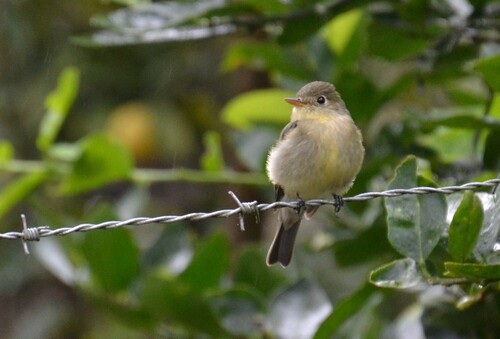
キバラメジロハエトリ (Empidonax flaviventris) キバラメジロハエトリ
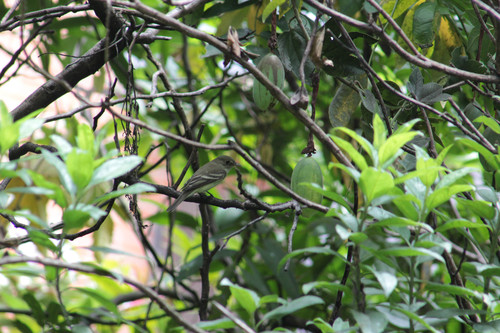
キタメジロハエトリ (Empidonax alnorum) キタメジロハエトリ

メディア

読み込み中…

要点

キバラメジロハエトリとキタメジロハエトリの間で最も信頼できるフィールドマークは、キバラメジロハエトリの下部と喉の全体的な黄色がかったトーンであり、対してキタメジロハエトリは白い喉と鈍いオリーブ色がかった下部を持っています。幼鳥のキタメジロハエトリはバフィーまたは黄色がかった茶色の翼帯を示しますが、キバラメジロハエトリの幼鳥は下部がより黄色く、全体的に強い黄色のトーンを持っています。両種は典型的な「エンピッド」であり、特に秋や繁殖地から離れた場所では視覚的に区別するのが難しいですが、下部の色、喉のコントラスト、翼帯のトーンに注意を払うことで助けになります。構造と声も有用ですが、重複や個体差に注意してください。

識別のコツ

  1. Juvenile plumage: 新鮮な幼鳥では、キタメジロハエトリの茶色がかった上面とバフィー/黄色がかった茶色の翼帯に注目し、キバラメジロハエトリの緑がかった上面と明るい黄色の下部および翼帯と対比させてください。これは特に夏の終わりと初秋に役立ちます。
  2. Underpart color: キバラメジロハエトリは下部、特に喉に強い黄色の洗いを示しますが、キタメジロハエトリは鈍く、白い喉と下部の黄色が少ないです。これはほとんどの年齢と季節に当てはまりますが、擦り切れた鳥や色あせた鳥では微妙な場合があります。
  3. Throat contrast: キタメジロハエトリは暗い胸のバンドからはっきりと区別される白い喉を持っていますが、キバラメジロハエトリの喉は黄色がかっており、胸により溶け込んでいます。
  4. Eye ring: 両種ともアイリングがありますが、キバラメジロハエトリのものはしばしばより黄色がかっており、より際立って見えることがあります。キタメジロハエトリのものは細くて白いです。これは変動があり、常に信頼できるわけではありません。
  5. Wingbars: 両種とも2つの淡い翼帯を持っていますが、キバラメジロハエトリのものはしばしば明るい白または黄色がかっており、黒い翼と強く対比していますが、キタメジロハエトリのものは成鳥では白く、幼鳥ではバフィーです。
  6. Secondary edging: 近くで見るか写真を撮ると、キバラメジロハエトリはキタメジロハエトリよりも二次羽にバフィーのエッジがより広範囲に見られます。これは微妙で、手に持ったり優れた写真で評価するのが最適です。
  7. Bill color: 両種とも上顎は暗く、下顎はより淡いですが、キバラメジロハエトリの下顎はよりオレンジがかったピンクであり、キタメジロハエトリのものはピンクがかったり黄色がかったオレンジです。これは小さなマークであり、判断が難しい場合があります。
  8. Tail length: キバラメジロハエトリは他のエンピドナックスと比較して比較的短い尾を持っていますが、キタメジロハエトリも短い尾を持っています。これは両者の間で強い区別にはなりません。
  9. Behavior: キタメジロハエトリでは頻繁に尾を上に振る行動が見られますが、キバラメジロハエトリではあまり一般的ではありません。これは診断的ではありませんが、IDをサポートすることができます。
  10. Habitat: 繁殖期には、キバラメジロハエトリは特に湿地や混合林の針葉樹を好みます。キタメジロハエトリは、特にアラノキやカバノキ、カエデのある湿った茂みで繁殖します。移動中は、両者ともより広範囲の生息地に現れることがあります。
  11. Vocalizations: 歌は最も信頼できる区別要因です。キバラメジロハエトリは粗く下降する「tse-berk」を発し、キタメジロハエトリは明確な「fee-bee-o」を発します。呼び声は異なりますが、あまり特徴的ではありません。歌い手に自信があるときのみ声を使用してください。
  12. Primary projection/wing formula: ここでは詳細に説明されていませんが、主羽の長さの比率は、手に持ったり優れた写真でこれらの種を区別することができます。
  13. Confusion risk: 両種は非常に似ており、特に秋や繁殖地から離れた場所ではすべてのマークで重複する可能性があります。最も正確な識別のために、マークの組み合わせと可能な場合は声を使用してください。
  14. Do not rely on size: サイズの違いは最小限であり、フィールドでは信頼できません。
  15. Avoid confusion with other Empidonax: 両者はチビメジロハエトリ、メジロハエトリ、他のエンピッドと混同される可能性があります。常にマークの全体を考慮してください。

大きさ

両種はサイズが非常に似ていますが、キタメジロハエトリは平均してやや大きく、長さは13〜17 cm、体重は12〜14 gで、キバラメジロハエトリは13〜15 cm、8.5〜17 gです。フィールドでは、この違いは微妙で、鳥が並んでいない限り診断的ではありません。翼幅はキタメジロハエトリの方がわずかに大きく(21〜24 cm対18〜20 cm)、しかしこれはフィールドでは簡単には判断できません。両者ともエンピドナックスに典型的なコンパクトで短い尾の外観を持っています。

羽色

幼鳥のキタメジロハエトリは茶色がかった上面、黄色の下部、そして特にバフィーまたは黄色がかった茶色の翼帯を持っていますが、幼鳥のキバラメジロハエトリは上面がより緑がかっており、下部がより明確に黄色で、明るい黄色がかったまたは白い翼帯を持っています。成鳥では、キバラメジロハエトリは緑がかった上面と下部、特に喉に強い黄色の洗いを示し、胸は暗い色をしています。キタメジロハエトリの成鳥は鈍いオリーブグリーンの上面を持ち、白い喉と暗い胸のバンドがあり、下部は全体的に黄色が少ないです。両者ともアイリングを持っていますが、キバラメジロハエトリのものはしばしばより黄色がかっており、キタメジロハエトリのものは細くて白いです。両者とも上顎は暗く、下顎はより淡いですが、キバラメジロハエトリの下顎はよりオレンジがかったピンクであり、キタメジロハエトリのものはピンクがかったり黄色がかったオレンジです。二次羽のバフィーのエッジの広がりは、手に持ったり近くで撮影した写真での微妙ですが信頼できるマークです:キバラメジロハエトリはより広範囲にバフィーのエッジを示します。

行動

両種は低いまたは中程度の高さの止まり木から昆虫を捕まえるためにサリーを行い、時には短時間ホバリングします。キタメジロハエトリは頻繁に尾を上に振ることで知られており、これは行動の手がかりになる可能性がありますが、キバラメジロハエトリはこれを示す可能性が低いです。両者とも時折ベリーや種子を食べることがあります。止まり木の姿勢と採餌スタイルはそれ以外は非常に似ています。

生息環境

キバラメジロハエトリは混合林の低いまたは中程度の高さの止まり木を好み、特に繁殖期には北部の湿地やトウヒの森で見られます。キタメジロハエトリは、特にアラノキ、カバノキ、カエデのある湿った茂みで繁殖します。両者は移動中に重複することがありますが、キバラメジロハエトリは針葉樹または混合林により関連し、キタメジロハエトリは湿った茂みと関連しています。

声

声はこれらの種を区別する最良の方法であることが多いです。キバラメジロハエトリの歌は粗く下降する「tse-berk」であり、キタメジロハエトリの歌は明確な「fee-bee-o」で、しばしば頭を振ったり尾を振ったりすることが伴います。キタメジロハエトリは鋭い「pit」呼び声やさまざまな他の呼び声(「zwee-oo」、「wee-oo」、「kitter」)も発しますが、キバラメジロハエトリの呼び声はここではあまり説明されていません。声はテリトリーで最も信頼でき、チビメジロハエトリやメジロハエトリとの混同に注意してください。

より良い説明を送る

比較と同じ項目を使ってください。文章はすぐに公開されます。

The most reliable field mark between Yellow-bellied and Alder Flycatchers is the overall yellowish tone of the underparts and throat in Yellow-bellied, versus the whiter throat and duller, olive-tinged underparts of Alder. Juvenile Alder Flycatchers show buffy or yellowish-brown wingbars, while Yellow-bellied juveniles are more yellow below and have stronger yellow tones overall. Both species are classic 'Empids'—difficult to separate visually, especially in fall or away from breeding grounds, but careful attention to underpart color, throat contrast, and wingbar tone can help. Structure and voice are also useful, but beware of overlap and individual variation.

  1. Juvenile plumage: In fresh juveniles, look for brownish upperparts and buffy/yellow-brown wingbars on Alder, versus greener upperparts and brighter yellow underparts and wingbars on Yellow-bellied. This is most useful in late summer and early fall.
  2. Underpart color: Yellow-bellied shows a strong yellow wash on the underparts, especially the throat; Alder is duller, with a whiter throat and less yellow below. This holds for most ages and seasons, but can be subtle in worn or faded birds.
  3. Throat contrast: Alder Flycatcher has a white throat sharply set off from a darker breast band, while Yellow-bellied's throat is yellowish and blends more into the chest.
  4. Eye ring: Both have eye rings, but Yellow-bellied's is often more yellowish and can appear bolder; Alder's is thin and white. This is variable and not always reliable.
  5. Wingbars: Both species have two pale wingbars, but Yellow-bellied's are often brighter white or yellowish, contrasting strongly with black wings, while Alder's are white in adults and buffy in juveniles.
  6. Secondary edging: On close views or photos, Yellow-bellied shows more extensive buffy edging on the secondaries than Alder. This is subtle and best assessed in-hand or with excellent photos.
  7. Bill color: Both have a dark upper mandible and a paler lower mandible, but Yellow-bellied's lower mandible is more orange-pink, while Alder's is pinkish or yellow-orange. This is a minor mark and can be hard to judge.
  8. Tail length: Yellow-bellied has a relatively short tail compared to other Empidonax, but Alder is also short-tailed; this is not a strong separator between these two.
  9. Behavior: Watch for frequent upward tail flicking in Alder, which is less common in Yellow-bellied. This is not diagnostic but can support an ID.
  10. Habitat: In breeding season, Yellow-bellied prefers coniferous or mixed woods, especially bogs; Alder is found in wet thickets with alder or birch. In migration, both can occur in a wider range of habitats.
  11. Vocalizations: Song is the most reliable separator: Yellow-bellied gives a rough, descending 'tse-berk'; Alder gives a clear 'fee-bee-o'. Calls differ but are less distinctive. Use voice only when confident of the singer.
  12. Primary projection/wing formula: Not described in detail here, but ratio of primary lengths can separate these species in the hand or with excellent photos.
  13. Confusion risk: Both species are extremely similar and can overlap in all marks, especially in fall or away from breeding grounds. Use a combination of marks and, when possible, voice for best accuracy.
  14. Do not rely on size: Size differences are minimal and not reliable in the field.
  15. Avoid confusion with other Empidonax: Both can be confused with Least, Willow, and other Empids; always consider the full suite of marks and context.

Both species are very similar in size, but Alder Flycatcher averages slightly larger, with a length of 13–17 cm and weight of 12–14 g, compared to Yellow-bellied's 13–15 cm and 8.5–17 g. In the field, this difference is subtle and rarely diagnostic unless birds are side by side. Wingspan is slightly greater in Alder (21–24 cm vs. 18–20 cm), but this is not easily judged in the field. Both have a compact, short-tailed look typical of Empidonax.

Juvenile Alder Flycatchers have brownish upperparts, yellow underparts, and notably buff or yellowish-brown wingbars, while juvenile Yellow-bellied Flycatchers are greener above and more distinctly yellow below, with brighter yellowish or white wingbars. In adults, Yellow-bellied shows greenish upperparts and a strong yellow wash on the underparts, especially the throat, with a dusky chest. Alder adults are duller olive-green above, with a whiter throat and a darker breast band, and their underparts are less yellow overall. Both have eye rings, but Yellow-bellied's is often more yellowish, while Alder's is thin and white. Both have dark upper mandibles and paler lower mandibles, but Yellow-bellied's lower mandible is more orange-pink, while Alder's is pinkish or yellow-orange. The extent of buffy edging on the secondaries is a subtle but reliable mark in hand or on close photos: Yellow-bellied shows more extensive buffy edging.

Both species forage by sallying from low or mid-level perches to catch insects, sometimes hovering briefly. Alder Flycatcher is noted for frequent upward tail flicking, which can be a behavioral clue, while Yellow-bellied is less likely to show this. Both may eat berries or seeds occasionally. Perched posture and foraging style are otherwise very similar.

Yellow-bellied Flycatcher prefers low or mid-level perches in mixed woods, especially in northern bogs and spruce forests during breeding. Alder Flycatcher breeds in wet thickets, especially those with alder, birch, or maple, often in shrubby, open, or edge habitats. While both can overlap in migration, Yellow-bellied is more associated with coniferous or mixed woods, and Alder with wet, shrubby thickets.

Vocalizations are often the best way to separate these species. Yellow-bellied's song is a rough, descending 'tse-berk', while Alder's is a distinct 'fee-bee-o', often accompanied by head-throwing and tail-shaking. Alder also gives a sharp 'pit' call and a variety of other calls ('zwee-oo', 'wee-oo', 'kitter'), while Yellow-bellied's call is less described here. Voice is most reliable on territory; beware of confusion with Least Flycatcher and Willow Flycatcher.

変更を破棄しますか?

保存していない編集があります。今離れると失われます。

キバラメジロハエトリ · キタメジロハエトリ · 苦手な鳥