

yellow-bellied bulbul vs white-throated bulbul
Alophoixus phaeocephalus versus Alophoixus flaveolus
Jogue um quiz com yellow-bellied bulbul e white-throated bulbul
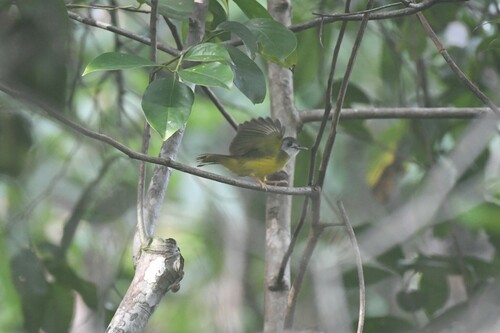 yellow-bellied bulbul
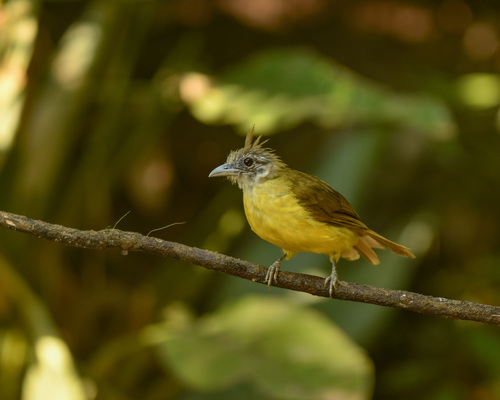 white-throated bulbul
Em resumo
A maneira mais confiável de separar o yellow-bellied bulbul do white-throated bulbul é pela sua distribuição geográfica: o yellow-bellied bulbul é encontrado apenas na Península Malaia, Sumatra e Bornéu, enquanto o white-throated bulbul ocorre desde os Himalaias orientais até Mianmar e oeste da Tailândia. Ambas as espécies compartilham formas corporais e padrões de plumagem semelhantes, e seus nomes alternativos muitas vezes se sobrepõem, o que pode causar confusão. No campo, se você estiver fora da zona de sobreposição, a distribuição é a melhor pista. Com binóculos, preste atenção às sutis diferenças na coloração da cabeça e da garganta, mas esteja ciente de que ambas as espécies podem ser chamadas de 'white-throated' ou 'yellow-bellied' bulbul em várias fontes, então verifique sua localização.
Dicas de identificação
- A distribuição é o separador mais confiável: Se você está observando aves na Península Malaia, Sumatra ou Bornéu, é provável que esteja vendo o yellow-bellied bulbul. Se você estiver nos Himalaias orientais, Mianmar ou oeste da Tailândia, é o white-throated bulbul. Não há sobreposição de distribuição documentada.
- Sobreposição de plumagem e armadilhas: Ambas as espécies podem apresentar barrigas amareladas e gargantas pálidas ou brancas. A garganta pode parecer mais branca e mais definida no white-throated bulbul, mas isso nem sempre é óbvio no campo e pode variar com a luz e o desgaste.
- Coloração da cabeça: O yellow-bellied bulbul pode apresentar uma cabeça mais acinzentada em comparação com o white-throated bulbul, mas essa diferença é sutil e nem sempre confiável, especialmente em luz fraca ou à distância.
- Nomes alternativos causam confusão: Ambas as espécies têm sido chamadas de 'yellow-bellied bulbul' e 'white-throated bulbul' em várias fontes. Sempre verifique o nome científico e sua localização para evitar confusões.
- Sem marcas de voo específicas de idade: Não há diferenças relatadas nos padrões de asas ou voo juvenis ou imaturos entre essas duas espécies. Não confie no padrão da asa superior ou da cauda para separação.
- Tamanho e estrutura não são úteis: Ambas as espécies são semelhantes em tamanho e forma, sem diferenças documentadas no bico, cauda ou projeção primária.
- O habitat não é diagnóstico dentro da distribuição: Ambas preferem habitats florestais semelhantes. Use o habitat como uma pista apenas se ajudar a confirmar que você está dentro da distribuição conhecida de uma espécie.
- A voz não é descrita como diferente: Não confie na canção ou chamada para separação com as informações atuais.
- Verifique guias locais ou listas de verificação recentes: Em áreas próximas às bordas da distribuição de qualquer uma das espécies, consulte guias de campo locais ou eBird para informações de distribuição atualizadas.
- Tenha cautela com guias de campo e listas de verificação: Como os nomes comuns são usados de forma intercambiável, sempre confirme com o nome científico (A. phaeocephalus para yellow-bellied, A. flaveolus para white-throated) ao relatar ou identificar essas aves.
- Se tiver dúvidas, documente com fotos: Dada a sutileza das diferenças de plumagem e a confusão sobre os nomes, tirar fotos e anotar a localização precisa é a melhor maneira de confirmar a identificação mais tarde.
Tamanho
Não há diferenças diretas de tamanho ou massa documentadas entre essas duas espécies nas fontes disponíveis. Ambas são bulbuls de tamanho médio típicos do gênero Alophoixus, e o tamanho não é uma marca de campo confiável para separação.
Plumagem
Não há um padrão de asa ou voo específico por idade detalhado para qualquer uma das espécies nas notas disponíveis, e tanto os adultos quanto os imaturos são semelhantes em aparência geral. Ambas as espécies podem apresentar partes inferiores amareladas e uma garganta pálida ou branca, com alguma variação na intensidade do amarelo e na extensão do branco na garganta. A coloração da cabeça pode ser ligeiramente mais acinzentada no yellow-bellied bulbul, mas isso é sutil e variável. Nenhuma marca distintiva de asa superior juvenil ou imatura é relatada para qualquer uma das espécies, portanto, marcas de voo específicas de idade não são diagnósticas aqui.
Comportamento
O comportamento não é descrito como diferente entre essas duas espécies nas fontes disponíveis. Ambas são bulbuls típicos de floresta, provavelmente vistos forrageando no sub-bosque ou na copa de florestas tropicais úmidas, frequentemente em pares ou pequenos grupos.
Habitat
As preferências de habitat são amplamente semelhantes: ambas as espécies habitam florestas tropicais ou subtropicais úmidas. No entanto, suas distribuições não se sobrepõem. O yellow-bellied bulbul é restrito à Península Malaia, Sumatra e Bornéu, enquanto o white-throated bulbul é encontrado desde os Himalaias orientais até Mianmar e oeste da Tailândia. Se você conhece sua localização, essa é a pista mais útil.
Voz
Nenhuma diferença vocal é descrita nas fontes disponíveis. Ambas são aves canoras, mas chamadas ou canções específicas não são detalhadas aqui, então a voz não é um separador confiável com as informações atuais.
yellow-bellied bulbul · white-throated bulbul · Minhas aves difíceis