

Yellow-bellied Bulbul vs White-throated Bulbul
Alophoixus phaeocephalus contro Alophoixus flaveolus
Fai un quiz con Yellow-bellied Bulbul e White-throated Bulbul
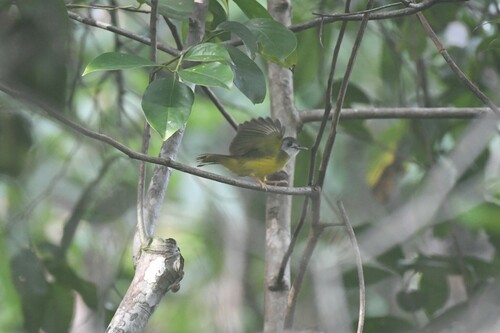 Yellow-bellied Bulbul
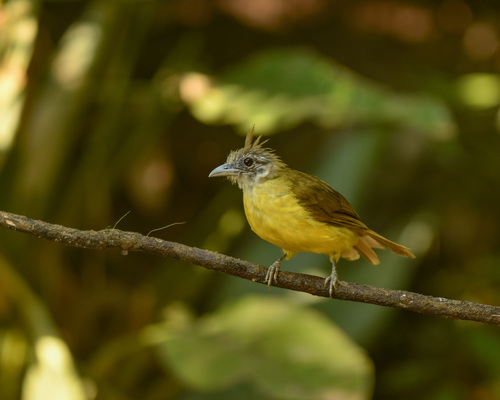 White-throated Bulbul
In breve
Il modo più affidabile per separare il Yellow-bellied Bulbul dal White-throated Bulbul è attraverso il loro areale geografico: il Yellow-bellied Bulbul si trova solo nella Penisola Malese, a Sumatra e a Borneo, mentre il White-throated Bulbul si verifica dagli Himalaya orientali attraverso il Myanmar fino alla Thailandia occidentale. Entrambe le specie condividono forme del corpo e schemi di piumaggio simili, e i loro nomi alternativi spesso si sovrappongono, il che può causare confusione. Sul campo, se ti trovi al di fuori della zona di sovrapposizione, l'areale è il tuo miglior indizio. Con i binocoli, presta particolare attenzione alle differenze sottili nella colorazione della testa e della gola, ma sii consapevole che entrambe le specie possono essere chiamate 'white-throated' o 'yellow-bellied' bulbul in varie fonti, quindi controlla la tua posizione.
Consigli di identificazione
- L'areale è il separatore più affidabile: Se stai osservando uccelli nella Penisola Malese, a Sumatra o a Borneo, probabilmente stai vedendo il Yellow-bellied Bulbul. Se ti trovi negli Himalaya orientali, in Myanmar o nella Thailandia occidentale, è il White-throated Bulbul. Non c'è sovrapposizione di areale documentata.
- Sovrapposizione del piumaggio e insidie: Entrambe le specie possono mostrare pance giallastre e gole chiare o bianche. La gola può apparire più bianca e più definita nel White-throated Bulbul, ma questo non è sempre ovvio sul campo e può variare con la luce e l'usura.
- Colorazione della testa: Il Yellow-bellied Bulbul può mostrare una testa più grigia rispetto al White-throated Bulbul, ma questa differenza è sottile e non sempre affidabile, specialmente in scarsa illuminazione o a distanza.
- I nomi alternativi causano confusione: Entrambe le specie sono state chiamate 'yellow-bellied bulbul' e 'white-throated bulbul' in varie fonti. Controlla sempre il nome scientifico e la tua posizione per evitare confusione.
- Nessun segno di volo distintivo specifico per età: Non ci sono differenze segnalate nei modelli di volo o di ali giovanili o immaturi tra queste due specie. Non fare affidamento sul modello delle ali superiori o della coda per la separazione.
- Dimensioni e struttura non sono utili: Entrambe le specie sono simili in dimensioni e forma, senza differenze documentate nel becco, nella coda o nella proiezione primaria.
- L'habitat non è diagnostico all'interno dell'areale: Entrambe preferiscono habitat forestali simili. Usa l'habitat come indizio solo se aiuta a confermare che ti trovi all'interno dell'areale noto di una specie.
- La voce non è descritta come diversa: Non fare affidamento sul canto o sul richiamo per la separazione con le informazioni attuali.
- Controlla le guide locali o le liste di controllo recenti: Nelle aree vicino ai confini dell'areale di entrambe le specie, consulta guide locali o eBird per informazioni aggiornate sulla distribuzione.
- Fai attenzione alle guide sul campo e alle liste di controllo: Poiché i nomi comuni sono usati in modo intercambiabile, conferma sempre con il nome scientifico (A. phaeocephalus per il Yellow-bellied, A. flaveolus per il White-throated) quando riporti o identifichi questi uccelli.
- Se hai dubbi, documenta con foto: Data la sottigliezza delle differenze nel piumaggio e la confusione sui nomi, scattare foto e annotare la posizione precisa è il modo migliore per confermare l'identificazione in seguito.
Taglia
Non ci sono differenze dirette di dimensioni o massa documentate tra queste due specie nelle fonti disponibili. Entrambe sono bulbuli di dimensioni medie tipici del genere Alophoixus, e la dimensione non è un segno affidabile per la separazione.
Piumaggio
Non ci sono modelli di ali o di volo specifici per età descritti per entrambe le specie nelle note disponibili, e sia gli adulti che gli immaturi sono simili nell'aspetto generale. Entrambe le specie possono mostrare parti inferiori giallastre e una gola chiara o bianca, con alcune variazioni nell'intensità del giallo e nell'estensione del bianco sulla gola. La colorazione della testa può essere leggermente più grigia nel Yellow-bellied Bulbul, ma questa è sottile e variabile. Non sono riportati segni distintivi di ali superiori giovanili o immaturi per nessuna delle due specie, quindi i segni di volo specifici per età non sono diagnostici qui.
Comportamento
Il comportamento non è descritto come diverso tra queste due specie nelle fonti disponibili. Entrambi sono bulbuli tipici delle foreste, probabilmente visibili mentre cercano cibo nel sottobosco o nella chioma delle foreste umide di pianura, spesso in coppie o piccoli gruppi.
Habitat
Le preferenze di habitat sono ampiamente simili: entrambe le specie abitano foreste umide subtropicali o tropicali di pianura. Tuttavia, le loro distribuzioni non si sovrappongono. Il Yellow-bellied Bulbul è ristretto alla Penisola Malese, a Sumatra e a Borneo, mentre il White-throated Bulbul si trova dagli Himalaya orientali attraverso il Myanmar fino alla Thailandia occidentale. Se conosci la tua posizione, questo è l'indizio più utile.
Voce
Non sono descritte differenze vocali nelle fonti disponibili. Entrambi sono uccelli canori, ma i richiami o i canti specifici non sono dettagliati qui, quindi la voce non è un separatore affidabile con le informazioni attuali.
Yellow-bellied Bulbul · White-throated Bulbul · I miei uccelli difficili