

Grijskopbaardbuulbuul vs Witkeelbaardbuulbuul
Alophoixus phaeocephalus versus Alophoixus flaveolus
Speel een quiz met Grijskopbaardbuulbuul en Witkeelbaardbuulbuul
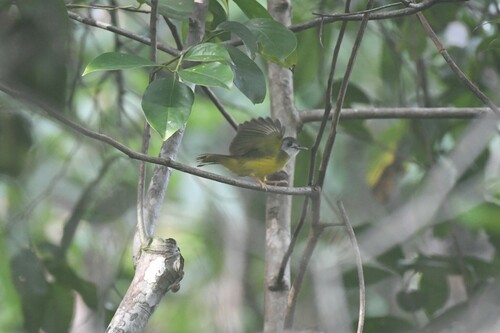 Grijskopbaardbuulbuul
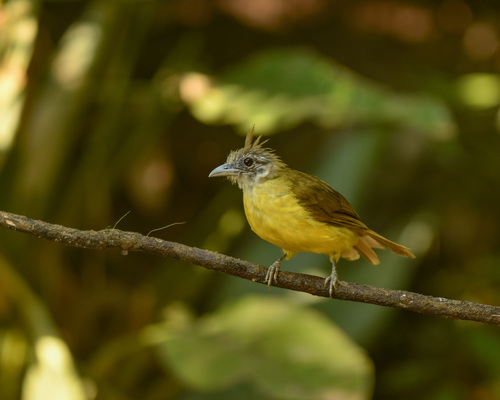 Witkeelbaardbuulbuul
Kort gezegd
De meest betrouwbare manier om Grijskopbaardbuulbuul van Witkeelbaardbuulbuul te scheiden, is op basis van hun geografische verspreiding: Grijskopbaardbuulbuul komt alleen voor op het Maleisisch Schiereiland, Sumatra en Borneo, terwijl Witkeelbaardbuulbuul voorkomt van de oostelijke Himalaya via Myanmar naar westelijk Thailand. Beide soorten delen vergelijkbare lichaamsvormen en verenkleedpatronen, en hun alternatieve namen overlappen vaak, wat verwarring kan veroorzaken. In het veld, als je buiten de overlapzone bent, is de verspreiding je beste aanwijzing. Met een verrekijker, let goed op subtiele verschillen in hoofd- en keelkleuring, maar wees je ervan bewust dat beide soorten in verschillende bronnen 'witkeel' of 'grijskop' bulbul kunnen worden genoemd, dus controleer je locatie dubbel.
Herkenningstips
- Verspreiding is de meest betrouwbare scheiding: Als je aan het vogels kijken bent op het Maleisisch Schiereiland, Sumatra of Borneo, zie je waarschijnlijk Grijskopbaardbuulbuul. Als je in de oostelijke Himalaya, Myanmar of westelijk Thailand bent, is het Witkeelbaardbuulbuul. Er is geen gedocumenteerde overlap in verspreiding.
- Verenkleedoverlap en valkuilen: Beide soorten kunnen geelachtige buiken en bleke of witte kelen vertonen. De keel kan witter en scherper gedefinieerd lijken bij Witkeelbaardbuulbuul, maar dit is niet altijd duidelijk in het veld en kan variëren met licht en slijtage.
- Hoofdkleuring: Grijskopbaardbuulbuul kan een grijzere kop vertonen in vergelijking met Witkeelbaardbuulbuul, maar dit verschil is subtiel en niet altijd betrouwbaar, vooral bij slecht licht of op afstand.
- Alternatieve namen veroorzaken verwarring: Beide soorten zijn in verschillende bronnen 'grijskop' en 'witkeel' bulbul genoemd. Controleer altijd de wetenschappelijke naam en je locatie om verwarring te voorkomen.
- Geen onderscheidende leeftijdspecifieke vliegende markeringen: Er zijn geen gerapporteerde verschillen in juvenile of onvolwassen vleugel- of vliegpatronen tussen deze twee soorten. Vertrouw niet op het bovenste vleugel- of staartpatroon voor scheiding.
- Grootte en structuur zijn niet behulpzaam: Beide soorten zijn vergelijkbaar in grootte en vorm, zonder gedocumenteerde verschillen in snavel, staart of primaire projectie.
- Leefgebied is niet diagnostisch binnen het bereik: Beide geven de voorkeur aan vergelijkbare bosleefgebieden. Gebruik leefgebied alleen als aanwijzing als het helpt te bevestigen dat je binnen het bekende bereik van één soort bent.
- Stem is niet beschreven als verschillend: Vertrouw niet op zang of roep voor scheiding met de huidige informatie.
- Controleer lokale gidsen of recente checklisten: In gebieden nabij de randen van het bereik van een van beide soorten, raadpleeg lokale veldgidsen of eBird voor actuele distributie-informatie.
- Wees voorzichtig met veldgidsen en checklisten: Omdat algemene namen door elkaar worden gebruikt, bevestig altijd met de wetenschappelijke naam (A. phaeocephalus voor Grijskop, A. flaveolus voor Witkeel) bij het rapporteren of identificeren van deze vogels.
- Als je twijfelt, documenteer met foto's: Gezien de subtiliteit van verenkleedverschillen en de verwarring over namen, is het maken van foto's en het noteren van de precieze locatie de beste manier om later de identificatie te bevestigen.
Grootte
Er zijn geen directe grootte- of massa-verschillen gedocumenteerd tussen deze twee soorten in de beschikbare bronnen. Beide zijn middelgrote bulbuls die typisch zijn voor het geslacht Alophoixus, en grootte is geen betrouwbare veldmarkering voor scheiding.
Verenkleed
Er is geen gedetailleerd leeftijdspecifiek vleugel- of vliegpatroon beschreven voor een van beide soorten in de beschikbare notities, en zowel volwassenen als onvolwassen vogels zijn vergelijkbaar in algemene verschijning. Beide soorten kunnen geelachtige onderdelen en een bleke of witte keel vertonen, met enige variatie in de intensiteit van geel en de omvang van het wit op de keel. Hoofdkleuring kan iets grijzer zijn bij Grijskopbaardbuulbuul, maar dit is subtiel en variabel. Er zijn geen onderscheidende juvenile of onvolwassen bovenste vleugelmarkeringen gerapporteerd voor een van beide soorten, dus leeftijdspecifieke vliegende markeringen zijn hier niet diagnostisch.
Gedrag
Gedrag wordt niet beschreven als verschillend tussen deze twee soorten in de beschikbare bronnen. Beide zijn typische bosbulbuls, waarschijnlijk te zien terwijl ze foerageren in het midden van het bos of in de kruin van vochtige laaglandbossen, vaak in paren of kleine groepen.
Habitat
Leefgebiedvoorkeuren zijn in grote lijnen vergelijkbaar: beide soorten bewonen subtropische of tropische vochtige laaglandbossen. Hun verspreidingen overlappen echter niet. Grijskopbaardbuulbuul is beperkt tot het Maleisisch Schiereiland, Sumatra en Borneo, terwijl Witkeelbaardbuulbuul voorkomt van de oostelijke Himalaya via Myanmar naar westelijk Thailand. Als je je locatie kent, is dit de enige meest nuttige aanwijzing.
Geluid
Er zijn geen vocale verschillen beschreven in de beschikbare bronnen. Beide zijn zangvogels, maar specifieke roepen of liederen worden hier niet gedetailleerd, dus de stem is geen betrouwbare scheiding met de huidige informatie.
Grijskopbaardbuulbuul · Witkeelbaardbuulbuul · Mijn lastige vogels