

Motmot

ハイガシラアゴカンムリヒヨドリ 対 キバラカンムリヒヨドリ

Alophoixus phaeocephalus 対 Alophoixus flaveolus

ハイガシラアゴカンムリヒヨドリとキバラカンムリヒヨドリのクイズ
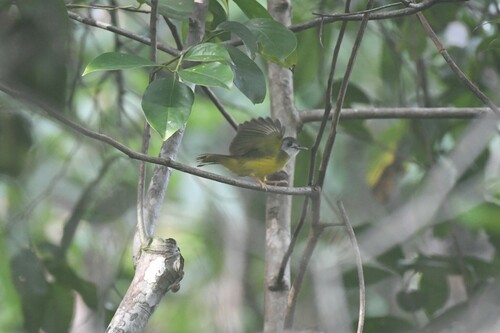
ハイガシラアゴカンムリヒヨドリ (Alophoixus phaeocephalus) ハイガシラアゴカンムリヒヨドリ
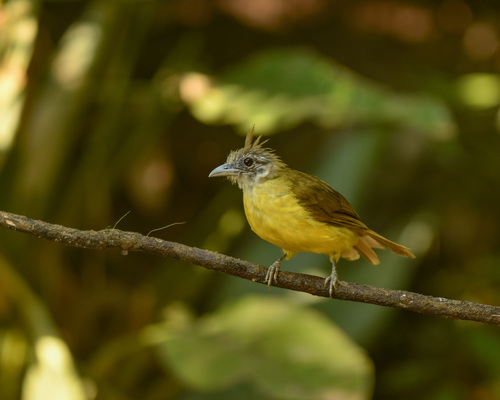
キバラカンムリヒヨドリ (Alophoixus flaveolus) キバラカンムリヒヨドリ

メディア

読み込み中…

要点

The most reliable way to separate Yellow-bellied Bulbul from White-throated Bulbul is by their geographic range: Yellow-bellied Bulbul is found only on the Malay Peninsula, Sumatra, and Borneo, while White-throated Bulbul occurs from the eastern Himalayas through Myanmar to western Thailand. Both species share similar body shapes and plumage patterns, and their alternate names often overlap, which can cause confusion. In the field, if you are outside the overlap zone, range is your best clue. With binoculars, pay close attention to subtle differences in head and throat coloration, but be aware that both species can be called 'white-throated' or 'yellow-bellied' bulbul in various sources, so double-check your location.

識別のコツ

  1. Range is the most reliable separator: If you are birding in the Malay Peninsula, Sumatra, or Borneo, you are likely seeing Yellow-bellied Bulbul. If you are in the eastern Himalayas, Myanmar, or western Thailand, it is White-throated Bulbul. There is no documented range overlap.
  2. Plumage overlap and pitfalls: Both species can show yellowish bellies and pale or white throats. The throat may look whiter and more sharply defined in White-throated Bulbul, but this is not always obvious in the field and can vary with light and wear.
  3. Head coloration: Yellow-bellied Bulbul may show a greyer head compared to White-throated Bulbul, but this difference is subtle and not always reliable, especially in poor light or at a distance.
  4. Alternate names cause confusion: Both species have been called 'yellow-bellied bulbul' and 'white-throated bulbul' in various sources. Always check the scientific name and your location to avoid mix-ups.
  5. No distinctive age-specific flight marks: There are no reported differences in juvenile or immature wing or flight patterns between these two species. Do not rely on upperwing or tail pattern for separation.
  6. Size and structure are not helpful: Both species are similar in size and shape, with no documented differences in bill, tail, or primary projection.
  7. Habitat is not diagnostic within range: Both prefer similar forest habitats. Only use habitat as a clue if it helps confirm you are within the known range of one species.
  8. Voice is not described as different: Do not rely on song or call for separation with the current information.
  9. Check for local guides or recent checklists: In areas near the edges of either species' range, consult local field guides or eBird for up-to-date distribution information.
  10. Be cautious with field guides and checklists: Because common names are used interchangeably, always confirm with the scientific name (A. phaeocephalus for Yellow-bellied, A. flaveolus for White-throated) when reporting or identifying these birds.
  11. If in doubt, document with photos: Given the subtlety of plumage differences and the confusion over names, taking photos and noting precise location is the best way to confirm identification later.

大きさ

No direct size or mass differences are documented between these two species in the available sources. Both are medium-sized bulbuls typical of the genus Alophoixus, and size is not a reliable field mark for separation.

羽色

There is no detailed age-specific wing or flight pattern described for either species in the available notes, and both adults and immatures are similar in general appearance. Both species can show yellowish underparts and a pale or white throat, with some variation in the intensity of yellow and the extent of the white on the throat. Head coloration may be slightly greyer in Yellow-bellied Bulbul, but this is subtle and variable. No distinctive juvenile or immature upperwing marks are reported for either species, so age-specific flight marks are not diagnostic here.

行動

Behavior is not described as differing between these two species in the available sources. Both are typical forest bulbuls, likely to be seen foraging in the mid-story or canopy of moist lowland forests, often in pairs or small groups.

生息環境

Habitat preferences are broadly similar: both species inhabit subtropical or tropical moist lowland forests. However, their distributions do not overlap. Yellow-bellied Bulbul is restricted to the Malay Peninsula, Sumatra, and Borneo, while White-throated Bulbul is found from the eastern Himalayas through Myanmar to western Thailand. If you know your location, this is the single most useful clue.

声

No vocal differences are described in the available sources. Both are songbirds, but specific calls or songs are not detailed here, so voice is not a reliable separator with the current information.

より良い説明を送る

比較と同じ項目を使ってください。文章はすぐに公開されます。

The most reliable way to separate Yellow-bellied Bulbul from White-throated Bulbul is by their geographic range: Yellow-bellied Bulbul is found only on the Malay Peninsula, Sumatra, and Borneo, while White-throated Bulbul occurs from the eastern Himalayas through Myanmar to western Thailand. Both species share similar body shapes and plumage patterns, and their alternate names often overlap, which can cause confusion. In the field, if you are outside the overlap zone, range is your best clue. With binoculars, pay close attention to subtle differences in head and throat coloration, but be aware that both species can be called 'white-throated' or 'yellow-bellied' bulbul in various sources, so double-check your location.

  1. Range is the most reliable separator: If you are birding in the Malay Peninsula, Sumatra, or Borneo, you are likely seeing Yellow-bellied Bulbul. If you are in the eastern Himalayas, Myanmar, or western Thailand, it is White-throated Bulbul. There is no documented range overlap.
  2. Plumage overlap and pitfalls: Both species can show yellowish bellies and pale or white throats. The throat may look whiter and more sharply defined in White-throated Bulbul, but this is not always obvious in the field and can vary with light and wear.
  3. Head coloration: Yellow-bellied Bulbul may show a greyer head compared to White-throated Bulbul, but this difference is subtle and not always reliable, especially in poor light or at a distance.
  4. Alternate names cause confusion: Both species have been called 'yellow-bellied bulbul' and 'white-throated bulbul' in various sources. Always check the scientific name and your location to avoid mix-ups.
  5. No distinctive age-specific flight marks: There are no reported differences in juvenile or immature wing or flight patterns between these two species. Do not rely on upperwing or tail pattern for separation.
  6. Size and structure are not helpful: Both species are similar in size and shape, with no documented differences in bill, tail, or primary projection.
  7. Habitat is not diagnostic within range: Both prefer similar forest habitats. Only use habitat as a clue if it helps confirm you are within the known range of one species.
  8. Voice is not described as different: Do not rely on song or call for separation with the current information.
  9. Check for local guides or recent checklists: In areas near the edges of either species' range, consult local field guides or eBird for up-to-date distribution information.
  10. Be cautious with field guides and checklists: Because common names are used interchangeably, always confirm with the scientific name (A. phaeocephalus for Yellow-bellied, A. flaveolus for White-throated) when reporting or identifying these birds.
  11. If in doubt, document with photos: Given the subtlety of plumage differences and the confusion over names, taking photos and noting precise location is the best way to confirm identification later.

No direct size or mass differences are documented between these two species in the available sources. Both are medium-sized bulbuls typical of the genus Alophoixus, and size is not a reliable field mark for separation.

There is no detailed age-specific wing or flight pattern described for either species in the available notes, and both adults and immatures are similar in general appearance. Both species can show yellowish underparts and a pale or white throat, with some variation in the intensity of yellow and the extent of the white on the throat. Head coloration may be slightly greyer in Yellow-bellied Bulbul, but this is subtle and variable. No distinctive juvenile or immature upperwing marks are reported for either species, so age-specific flight marks are not diagnostic here.

Behavior is not described as differing between these two species in the available sources. Both are typical forest bulbuls, likely to be seen foraging in the mid-story or canopy of moist lowland forests, often in pairs or small groups.

Habitat preferences are broadly similar: both species inhabit subtropical or tropical moist lowland forests. However, their distributions do not overlap. Yellow-bellied Bulbul is restricted to the Malay Peninsula, Sumatra, and Borneo, while White-throated Bulbul is found from the eastern Himalayas through Myanmar to western Thailand. If you know your location, this is the single most useful clue.

No vocal differences are described in the available sources. Both are songbirds, but specific calls or songs are not detailed here, so voice is not a reliable separator with the current information.

変更を破棄しますか?

保存していない編集があります。今離れると失われます。

ハイガシラアゴカンムリヒヨドリ · キバラカンムリヒヨドリ · 苦手な鳥