

yellow-bellied bulbul vs gray-cheeked bulbul
Alophoixus phaeocephalus versus Alophoixus tephrogenys
Jogue um quiz com yellow-bellied bulbul e gray-cheeked bulbul
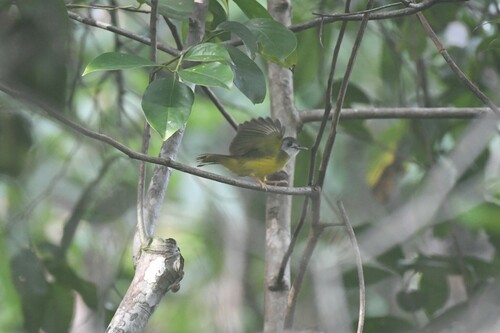 yellow-bellied bulbul
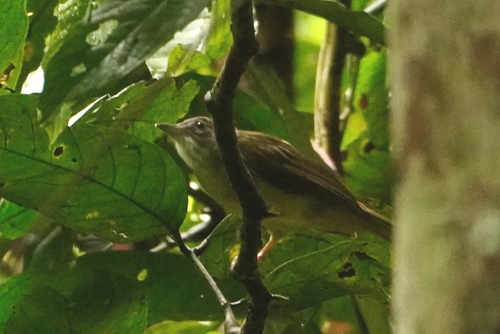 gray-cheeked bulbul
Em resumo
O bulbul de barriga amarela e o bulbul de bochechas cinzentas são ambos bulbuls de tamanho médio do gênero Alophoixus, encontrados na Península Malaia e nas Ilhas Sundas Maiores, frequentemente compartilhando habitat de floresta de planície. A marca de campo mais confiável, quando visível, é a coloração das partes inferiores: o bulbul de barriga amarela apresenta uma barriga distintamente amarela, enquanto o bulbul de bochechas cinzentas não possui esse amarelo brilhante e, em vez disso, tem partes inferiores mais suaves e acinzentadas. Ambas as espécies são semelhantes em estrutura geral e podem ser confundidas em pouca luz ou à distância, especialmente quando empoleiradas. Padrões de asas ou de voo específicos por idade não são descritos nas fontes disponíveis, portanto, a separação depende principalmente da plumagem e de sutis diferenças estruturais.
Dicas de identificação
- Barriga amarela (todas as idades): Procure por uma barriga e um ventrículo distintamente amarelos no bulbul de barriga amarela; o bulbul de bochechas cinzentas nunca apresenta esse amarelo brilhante, aparecendo em vez disso acinzentado ou oliva por baixo.
- Contraste das partes inferiores: O amarelo no bulbul de barriga amarela é geralmente claro mesmo em florestas sombreadas, enquanto as partes inferiores do bulbul de bochechas cinzentas são opacas e se misturam com o resto do corpo.
- Cor das bochechas e da garganta: O bulbul de bochechas cinzentas tem bochechas e garganta acinzentadas que se fundem suavemente nas partes inferiores, sem o contraste nítido de amarelo visto no bulbul de barriga amarela.
- Coloração da cabeça: Ambas as espécies podem apresentar cabeças acinzentadas, mas isso não é um separador confiável devido à sobreposição e variação.
- Sem crista: Ambos são 'sem crista' em comparação com alguns outros bulbuls; não use a forma da crista como separador.
- Padrão de voo e asas: Nenhuma diferença documentada no padrão de asas ou de voo para qualquer idade; não confie no padrão da asa superior ou da cauda em voo.
- Contexto do habitat: Se visto em floresta montanhosa, especialmente acima de elevações de planície, é mais provável que seja o bulbul de bochechas cinzentas. Na floresta de planície, ambos podem ocorrer, então use a plumagem.
- Distribuição: Em Bornéu, Sumatra e na Península Malaia, ambos ocorrem, mas o bulbul de bochechas cinzentas se estende até as Ilhas Sundas Maiores e elevações mais altas.
- Comportamento: Ambos forrageiam na parte média a superior da copa e podem se juntar a bandos mistos; o comportamento não é um separador.
- Voz: Nenhuma diferença vocal distintiva é documentada nas fontes disponíveis; não confie em canções ou chamados para separação.
- Pássaros juvenis/imaturos: Nenhuma marca específica por idade é descrita; use a cor das partes inferiores para todas as plumagens.
- Armadilhas de iluminação: Na sombra profunda, a barriga amarela do bulbul de barriga amarela pode parecer mais opaca, mas ainda deve contrastar com o resto das partes inferiores. Sempre verifique se há qualquer traço de amarelo.
- Diferenças sexuais: Nenhum dimorfismo sexual é notado; ambos os sexos devem ser separados pelas mesmas marcas.
- Confusão com nomes alternativos: Esteja ciente de que ambas as espécies foram chamadas por nomes alternativos semelhantes (por exemplo, 'bulbul de cabeça cinza'), mas apenas a cor das partes inferiores é confiável em campo.
- Abordagem de lista de verificação: Se você ver um bulbul com uma barriga amarela nas florestas de planície da Península Malaia, Sumatra ou Bornéu, é o bulbul de barriga amarela. Se as partes inferiores forem uniformemente acinzentadas ou oliva, considere o bulbul de bochechas cinzentas, especialmente em locais montanhosos ou mais amplos das Sundas.
Tamanho
Ambas as espécies são semelhantes em tamanho e estrutura, típicas do gênero Alophoixus. Nenhuma diferença diagnóstica em comprimento ou massa é notada nas fontes disponíveis. Espere que ambos sejam bulbuls de tamanho médio e robustos, com proporções semelhantes quando vistos lado a lado.
Plumagem
Para todas as idades, a principal diferença é a coloração da barriga e das partes inferiores: o bulbul de barriga amarela tem uma barriga e um ventrículo notavelmente amarelos, que se destacam mesmo em luz de floresta sombreada. O bulbul de bochechas cinzentas, em contraste, não possui esse amarelo e aparece mais uniformemente acinzentado ou oliva por baixo, com as bochechas e a garganta se misturando ao resto das partes inferiores. Nenhuma diferença específica de padrão de asa superior ou de voo é documentada para qualquer uma das espécies, portanto, esses não são confiáveis para separação. Ambos têm coloração semelhante na cabeça e nas costas, mas a presença ou ausência de amarelo na barriga é a marca de campo mais consistente em todas as plumagens.
Comportamento
Ambas as espécies se comportam como bulbuls típicos de floresta: são frequentemente vistos na parte média a superior da copa, às vezes se juntando a bandos de espécies mistas. Não há diferença comportamental documentada que separe de forma confiável em campo.
Habitat
O bulbul de barriga amarela é restrito à Península Malaia, Sumatra e Bornéu, preferindo florestas tropicais ou subtropicais úmidas de planície. O bulbul de bochechas cinzentas tem uma faixa ligeiramente mais ampla, ocorrendo da Península Malaia até as Ilhas Sundas Maiores, e é encontrado tanto em florestas úmidas de planície quanto montanhosas. Em florestas estritamente de planície em Sumatra ou Bornéu, ambos podem ocorrer juntos, mas o bulbul de bochechas cinzentas é mais provável em elevações mais altas ou em florestas montanhosas. O habitat sozinho não é diagnóstico onde as faixas se sobrepõem, mas pode ajudar em áreas montanhosas.
yellow-bellied bulbul · gray-cheeked bulbul · Minhas aves difíceis