

Yellow-bellied Bulbul vs Gray-cheeked Bulbul
Alophoixus phaeocephalus contro Alophoixus tephrogenys
Fai un quiz con Yellow-bellied Bulbul e Gray-cheeked Bulbul
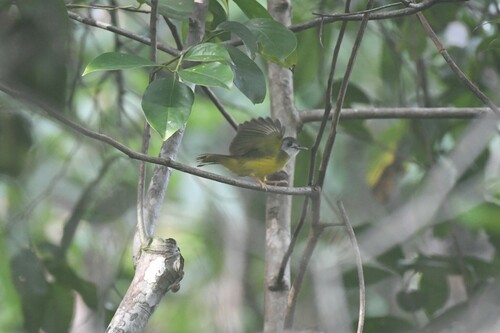 Yellow-bellied Bulbul
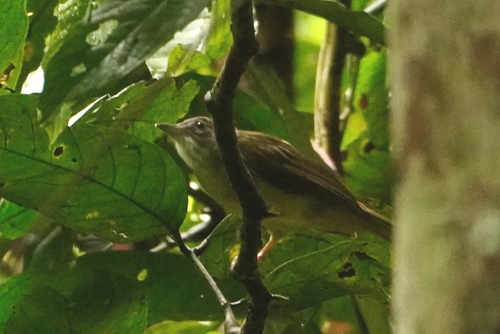 Gray-cheeked Bulbul
In breve
Yellow-bellied Bulbul e Gray-cheeked Bulbul sono entrambi bulbul di dimensioni medie del genere Alophoixus della Penisola Malese e delle Isole Sunda Maggiori, spesso condividendo habitat di foresta di pianura. Il segno distintivo più affidabile, quando visibile, è la colorazione delle parti inferiori: Yellow-bellied Bulbul mostra un ventre distintamente giallo, mentre Gray-cheeked Bulbul manca di questo giallo brillante e ha invece parti inferiori più attenuate e grigiastre. Entrambe le specie sono simili nella struttura generale e possono essere confuse in scarsa illuminazione o a distanza, specialmente quando sono posate. I modelli di volo o di ali specifici per età non sono descritti nelle fonti disponibili, quindi la separazione si basa principalmente sul piumaggio e su sottili differenze strutturali.
Consigli di identificazione
- Ventre giallo (tutte le età): Cerca un ventre e un ventriglio distintamente gialli su Yellow-bellied Bulbul; Gray-cheeked Bulbul non mostra mai questo giallo brillante, apparendo invece grigiastro o oliva sotto.
- Contrasto delle parti inferiori: Il giallo su Yellow-bellied Bulbul è solitamente chiaro anche nella foresta ombreggiata, mentre le parti inferiori di Gray-cheeked Bulbul sono opache e si fondono con il resto del corpo.
- Colore delle guance e della gola: Gray-cheeked Bulbul ha guance e gola grigiastre che si fondono dolcemente nelle parti inferiori, mancando del contrasto netto di giallo visto su Yellow-bellied Bulbul.
- Colorazione della testa: Entrambe le specie possono mostrare teste grigiastre, ma questo non è un separatore affidabile a causa di sovrapposizioni e variazioni.
- Nessuna cresta: Entrambi sono 'senza cresta' rispetto ad alcuni altri bulbul; non usare la forma della cresta come separatore.
- Modello di volo e ali: Non ci sono differenze documentate nel modello di ali o di volo per nessuna età; non fare affidamento sul modello dell'ala superiore o della coda in volo.
- Contesto dell'habitat: Se visti in foresta montana, specialmente sopra le altitudini di pianura, è più probabile che sia Gray-cheeked Bulbul. Nella foresta di pianura, entrambe possono verificarsi, quindi usa il piumaggio.
- Distribuzione: Su Borneo, Sumatra e Penisola Malese, entrambe si verificano, ma Gray-cheeked Bulbul si estende alle Isole Sunda Maggiori e a altitudini più elevate.
- Comportamento: Entrambi si nutrono nella parte centrale e superiore della chioma e possono unirsi a stormi misti; il comportamento non è un separatore.
- Voce: Non ci sono differenze vocali distintive documentate nelle fonti disponibili; non fare affidamento sul canto o sul richiamo per la separazione.
- Uccelli giovanili/immaturi: Non sono descritti segni specifici per età; usa il colore delle parti inferiori per tutti i piumaggi.
- Trappole di illuminazione: In ombra profonda, il ventre giallo di Yellow-bellied Bulbul può apparire più opaco, ma dovrebbe comunque contrastare con il resto delle parti inferiori. Controlla sempre per eventuali tracce di giallo.
- Differenze sessuali: Non è notato dimorfismo sessuale; entrambi i sessi dovrebbero essere separati dagli stessi segni.
- Confusione dei nomi alternativi: Sii consapevole che entrambe le specie sono state chiamate con nomi alternativi simili (ad es., 'bulbul dalla testa grigia'), ma solo il colore delle parti inferiori è affidabile sul campo.
- Approccio alla checklist: Se vedi un bulbul con un ventre giallo nelle foreste di pianura della Penisola Malese, Sumatra o Borneo, è Yellow-bellied Bulbul. Se le parti inferiori sono uniformemente grigiastre o olive, considera Gray-cheeked Bulbul, specialmente in località montane o più ampie Sundaiche.
Taglia
Entrambe le specie sono simili in dimensioni e struttura, tipiche del genere Alophoixus. Non è notata alcuna differenza diagnostica in lunghezza o massa nelle fonti disponibili. Aspettati che entrambe siano bulbul di dimensioni medie e robusti con proporzioni simili quando viste fianco a fianco.
Piumaggio
Per tutte le età, la differenza chiave è la colorazione del ventre e delle parti inferiori: Yellow-bellied Bulbul ha un ventre e un ventriglio notevolmente gialli, che si distinguono anche nella luce della foresta ombreggiata. Gray-cheeked Bulbul, al contrario, manca di questo giallo e appare più uniformemente grigiastro o oliva sotto, con le guance e la gola che si fondono nel resto delle parti inferiori. Non sono documentate differenze specifiche per età nel modello dell'ala superiore o nel volo per nessuna delle due specie, quindi queste non sono affidabili per la separazione. Entrambi hanno una colorazione simile della testa e della schiena, ma la presenza o l'assenza di giallo sul ventre è il segno di campo più consistente in tutti i piumaggi.
Comportamento
Entrambe le specie si comportano come tipici bulbul di foresta: sono spesso visti nella parte centrale e superiore della chioma, a volte unendosi a stormi misti di specie. Non ci sono differenze comportamentali documentate che separano affidabilmente sul campo.
Habitat
Yellow-bellied Bulbul è limitato alla Penisola Malese, Sumatra e Borneo, preferendo foreste di pianura umide subtropicali o tropicali. Gray-cheeked Bulbul ha un raggio leggermente più ampio, verificandosi dalla Penisola Malese alle Isole Sunda Maggiori, ed è trovato sia in foreste umide di pianura che montane. Nella foresta di pianura strettamente su Sumatra o Borneo, entrambe possono verificarsi insieme, ma Gray-cheeked Bulbul è più probabile a altitudini più elevate o in foresta montana. L'habitat da solo non è diagnostico dove le aree si sovrappongono, ma può aiutare nelle aree montane.
Yellow-bellied Bulbul · Gray-cheeked Bulbul · I miei uccelli difficili