

Grijskopbaardbuulbuul vs Grijswangbaardbuulbuul
Alophoixus phaeocephalus versus Alophoixus tephrogenys
Speel een quiz met Grijskopbaardbuulbuul en Grijswangbaardbuulbuul
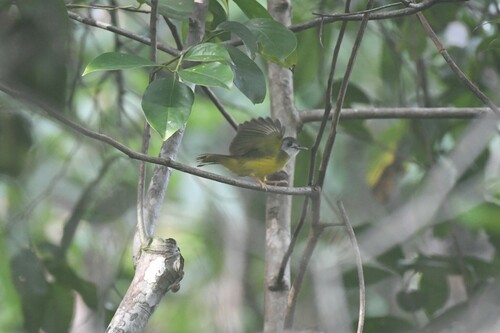 Grijskopbaardbuulbuul
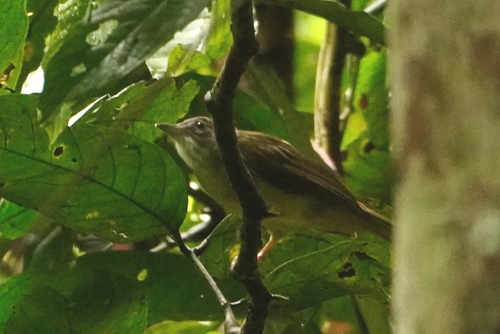 Grijswangbaardbuulbuul
Kort gezegd
Grijskopbaardbuulbuul en Grijswangbaardbuulbuul zijn beide middelgrote Alophoixus-buulbuuls van het Maleisische schiereiland en de Grote Soenda-eilanden, die vaak hetzelfde laaglandboshabitat delen. Het meest betrouwbare veldkenmerk, wanneer zichtbaar, is de kleur van de onderzijde: Grijskopbaardbuulbuul heeft een duidelijk gele buik, terwijl Grijswangbaardbuulbuul deze heldere gele kleur mist en in plaats daarvan meer gedempte, grijzige onderdelen heeft. Beide soorten zijn vergelijkbaar in algehele structuur en kunnen in slecht licht of op afstand verwisseld worden, vooral wanneer ze zitten. Leeftijdspecifieke vleugel- of vluchtpatronen zijn niet beschreven in beschikbare bronnen, dus de scheiding is voornamelijk afhankelijk van het verenkleed en subtiele structurele verschillen.
Herkenningstips
- Gele buik (alle leeftijden): Zoek naar een duidelijk gele buik en vent bij Grijskopbaardbuulbuul; Grijswangbaardbuulbuul toont nooit deze heldere gele kleur, maar verschijnt in plaats daarvan grijzig of olijf onder.
- Contrast onderzijde: De gele kleur op Grijskopbaardbuulbuul is meestal duidelijk, zelfs in schaduwrijke bossen, terwijl de onderzijde van Grijswangbaardbuulbuul dof is en opgaat in de rest van het lichaam.
- Kleur van de wangen en keel: Grijswangbaardbuulbuul heeft grijzige wangen en een keel die soepel overgaan in de onderzijde, zonder het scherpe contrast van geel dat te zien is bij Grijskopbaardbuulbuul.
- Kleur van het hoofd: Beide soorten kunnen grijzige hoofden vertonen, maar dit is geen betrouwbare scheiding vanwege overlap en variatie.
- Geen kuif: Beide zijn 'kuifloos' vergeleken met sommige andere buulbuuls; gebruik de vorm van de kuif niet als scheiding.
- Vlucht- en vleugelpatroon: Er zijn geen gedocumenteerde verschillen in vleugel- of vluchtpatronen voor enige leeftijd; vertrouw niet op het bovenste vleugel- of staartpatroon in de vlucht.
- Habitatcontext: Als ze in een bergbos worden gezien, vooral boven laaglandhoogtes, is Grijswangbaardbuulbuul waarschijnlijker. In laaglandbossen kunnen beide voorkomen, dus gebruik het verenkleed.
- Verspreiding: Op Borneo, Sumatra en het Maleisische schiereiland komen beide voor, maar Grijswangbaardbuulbuul strekt zich uit naar de Grote Soenda-eilanden en hogere hoogtes.
- Gedrag: Beide foerageren in het midden tot bovenste bladerdak en kunnen zich bij gemengde groepen voegen; gedrag is geen scheiding.
- Stem: Er zijn geen onderscheidende vocale verschillen gedocumenteerd in beschikbare bronnen; vertrouw niet op zang of roep voor scheiding.
- Jong/immatuur vogels: Er zijn geen leeftijdspecifieke kenmerken beschreven; gebruik de kleur van de onderzijde voor alle verenkleedvariaties.
- Verlichting valkuilen: In diepe schaduw kan de gele buik van Grijskopbaardbuulbuul doffer lijken, maar zou nog steeds moeten contrasteren met de rest van de onderzijde. Controleer altijd op enige spoor van geel.
- Geslachtsverschillen: Er is geen seksueel dimorfisme opgemerkt; beide geslachten moeten worden gescheiden door dezelfde kenmerken.
- Verwarring met alternatieve namen: Wees je ervan bewust dat beide soorten zijn aangeduid met vergelijkbare alternatieve namen (bijv. 'grijskopbuulbuul'), maar alleen de kleur van de onderzijde is betrouwbaar in het veld.
- Checklist benadering: Als je een buulbuul met een gele buik ziet in de laaglandbossen van het Maleisische schiereiland, Sumatra of Borneo, is het Grijskopbaardbuulbuul. Als de onderzijde uniform grijzig of olijf is, overweeg dan Grijswangbaardbuulbuul, vooral in bergachtige of bredere Soenda-locaties.
Grootte
Beide soorten zijn vergelijkbaar in grootte en structuur, typisch voor het Alophoixus-genus. Er is geen diagnostisch verschil in lengte of massa opgemerkt in beschikbare bronnen. Verwacht dat beide middelgrote, robuuste buulbuuls zijn met vergelijkbare verhoudingen wanneer ze naast elkaar worden gezien.
Verenkleed
Voor alle leeftijden is het belangrijkste verschil de kleur van de buik en onderzijde: Grijskopbaardbuulbuul heeft een merkbaar gele buik en vent, die zelfs in schaduwrijke boslicht opvalt. Grijswangbaardbuulbuul mist deze gele kleur en verschijnt meer uniform grijzig of olijf onder, met de wangen en keel die opgaan in de rest van de onderzijde. Er zijn geen leeftijdspecifieke verschillen in bovenste vleugel- of vluchtpatronen gedocumenteerd voor beide soorten, dus deze zijn niet betrouwbaar voor scheiding. Beide hebben vergelijkbare hoofd- en rugkleuren, maar de aanwezigheid of afwezigheid van geel op de buik is het meest consistente veldkenmerk in alle verenkleedvariaties.
Gedrag
Beide soorten gedragen zich als typische bosbuulbuuls: ze worden vaak gezien in het midden tot bovenste bladerdak, soms zich bij gemengde soorten voegen. Er is geen gedocumenteerd gedragsverschil dat hen betrouwbaar in het veld scheidt.
Habitat
Grijskopbaardbuulbuul is beperkt tot het Maleisische schiereiland, Sumatra en Borneo, en geeft de voorkeur aan subtropische of tropische vochtige laaglandbossen. Grijswangbaardbuulbuul heeft een iets breder verspreidingsgebied, dat zich uitstrekt van het Maleisische schiereiland tot de Grote Soenda-eilanden, en wordt zowel in laagland- als bergachtige vochtige bossen aangetroffen. In strikt laaglandbos op Sumatra of Borneo kunnen beide samen voorkomen, maar Grijswangbaardbuulbuul is waarschijnlijker op hogere hoogtes of in bergbossen. Habitat alleen is niet diagnostisch waar de verspreidingsgebieden overlappen, maar kan helpen in bergachtige gebieden.
Grijskopbaardbuulbuul · Grijswangbaardbuulbuul · Mijn lastige vogels