

yellow-bellied bulbul vs fluffy-backed tit-babbler
Alophoixus phaeocephalus versus Macronus ptilosus
Jogue um quiz com yellow-bellied bulbul e fluffy-backed tit-babbler
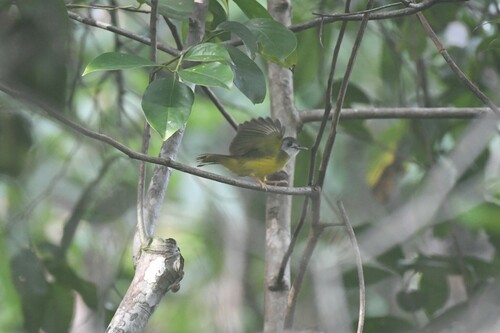 yellow-bellied bulbul
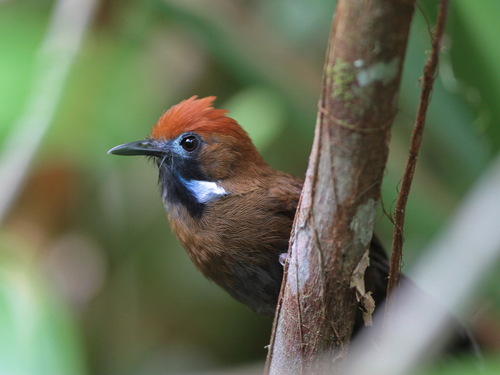 fluffy-backed tit-babbler
Em resumo
A maneira mais confiável de separar o yellow-bellied bulbul do fluffy-backed tit-babbler é pela estrutura geral e plumagem: o bulbul é um pássaro mais robusto e ereto, com uma barriga amarela limpa e cabeça acinzentada, enquanto o tit-babbler é menor, mais ativo e apresenta uma aparência distinta e fofa ou solta nas costas. Ambas as espécies compartilham habitats florestais de planície semelhantes na Península Malaia e na região de Bornéu, mas sua postura, padrão de cabeça e textura das penas são fundamentais em campo. Padrões de asas específicos para juvenis e imaturos não são descritos para nenhuma das espécies, então concentre-se na estrutura e plumagem dos adultos. Cuidado com nomes alternativos confusos para o bulbul, pois estes se sobrepõem a outras espécies.
Dicas de identificação
- Verifique se há uma barriga amarela e cabeça acinzentada: Apenas o yellow-bellied bulbul tem uma barriga amarela limpa e uma cabeça acinzentada ou com topo cinza contrastante e garganta branca. O tit-babbler é mais uniformemente marronzado e não possui esses contrastes nítidos.
- Procure pelas costas fofas: O fluffy-backed tit-babbler é nomeado por suas partes superiores soltas e fofas, que podem parecer bagunçadas ou despenteadas, especialmente quando o pássaro está ativo. A plumagem do bulbul é lisa e arrumada.
- Avalie a estrutura geral: O bulbul é mais robusto e ereto, frequentemente empoleirando-se em um local conspícuo. O tit-babbler é menor, mais compacto e frequentemente parece curvado ou horizontal ao se mover pela folhagem.
- Sinais comportamentais: Tit-babblers são muito ativos, frequentemente vistos em pequenos grupos, e se movem rapidamente pela vegetação rasteira ou galhos baixos. Bulbuls são mais propensos a serem solitários ou em pares e passam mais tempo empoleirados.
- Padrão de cabeça e garganta: A cabeça cinza e a garganta branca do bulbul são distintas. O tit-babbler não possui essas características e tem um padrão de cabeça menos definido.
- Sem crista no bulbul: Apesar de alguns nomes alternativos, o yellow-bellied bulbul não tem crista, o que ajuda a separá-lo de outros bulbuls, mas não do tit-babbler.
- Ignore nomes alternativos: Esteja ciente de que 'yellow-bellied bulbul' e 'white-throated bulbul' são usados para outras espécies; sempre verifique as marcas de campo reais, não apenas os nomes.
- Sem padrão de asa diagnóstico em voo: Nenhuma das espécies é descrita como tendo marcas de asas juvenis ou imaturas únicas, então não confie em vistas de voo para separação.
- Sobreposição de habitat: Ambas podem ser encontradas em tipos de floresta semelhantes, então não use o habitat como um separador primário, a menos que em pântano, que favorece ligeiramente o tit-babbler.
- Sem diferença de tamanho confiável em campo: Embora a massa do tit-babbler esteja documentada, ambas são pequenos pássaros canoros; use estrutura e plumagem, não tamanho, para separação.
- Voz não descrita: Se você ouvir uma canção ou chamada, não a use para separação com base nessas notas.
- Observe a postura: Bulbuls empoleiram-se eretos e podem cantar de galhos expostos; tit-babblers são mais propensos a serem vistos se movendo rapidamente através de coberturas densas.
- Tamanho do grupo: Tit-babblers estão frequentemente em pequenos grupos barulhentos, enquanto bulbuls são mais frequentemente sozinhos ou em pares.
- Contexto de confusão: Se você estiver inseguro devido a nomes alternativos ou plumagem ambígua, concentre-se na barriga amarela e cabeça cinza (bulbul) versus as costas fofas e tons marrons (tit-babbler).
Tamanho
Apenas o fluffy-backed tit-babbler tem uma massa documentada (26g [wikidata]), mas ambas as espécies são amplamente semelhantes em tamanho, típico de pequenos pássaros canoros de floresta. O bulbul pode parecer ligeiramente mais robusto e ereto, enquanto o tit-babbler é provavelmente mais delicado e compacto. Sem medições diretas para o bulbul, confie na aparência e postura em vez de tamanho absoluto.
Plumagem
Nenhum padrão de asa ou voo específico para idade é descrito para nenhuma das espécies, então concentre-se na plumagem adulta. O yellow-bellied bulbul apresenta uma barriga amarela limpa, uma cabeça acinzentada ou com topo cinza e uma garganta branca, sem crista. Sua plumagem é geralmente lisa e arrumada. Em contraste, o fluffy-backed tit-babbler é nomeado por suas penas de costas soltas e fofas, dando-lhe uma aparência bagunçada ou despenteada, especialmente nas partes superiores. O tit-babbler não possui a barriga amarela clara do bulbul e, em vez disso, tem uma coloração geral mais atenuada e marronzada. O padrão de cabeça é menos distinto no tit-babbler, faltando a cabeça cinza contrastante e a garganta branca do bulbul.
Comportamento
O bulbul tende a empoleirar-se ereto e pode parecer mais estacionário, frequentemente cantando de um poleiro visível. O tit-babbler é mais ativo, movendo-se frequentemente pela vegetação rasteira ou galhos baixos, e frequentemente aparece em pequenos grupos. Sua forrageação é mais inquieta e semelhante a um rato, às vezes batendo suas asas ou cauda. As penas de costas soltas e fofas do tit-babbler podem ser mais óbvias quando ele está forrageando ativamente.
Habitat
Ambas as espécies habitam florestas tropicais ou subtropicais úmidas de planície na Península Malaia, Sumatra, Bornéu e áreas adjacentes. O alcance do tit-babbler se estende ligeiramente mais ao norte, até a Tailândia, e inclui pântanos, além de florestas. Em campo, ambas podem ocorrer em tipos de floresta semelhantes, então o habitat sozinho não é um separador forte.
yellow-bellied bulbul · fluffy-backed tit-babbler · Minhas aves difíceis