

Motmot

ハイガシラアゴカンムリヒヨドリ 対 ミノゲチメドリ

Alophoixus phaeocephalus 対 Macronus ptilosus

ハイガシラアゴカンムリヒヨドリとミノゲチメドリのクイズ
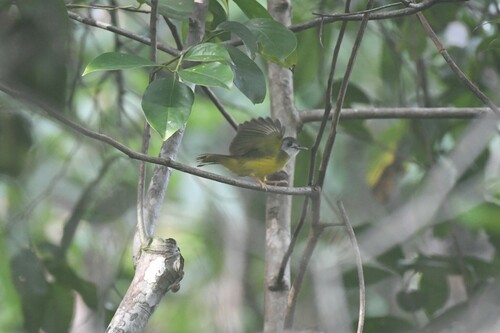
ハイガシラアゴカンムリヒヨドリ (Alophoixus phaeocephalus) ハイガシラアゴカンムリヒヨドリ
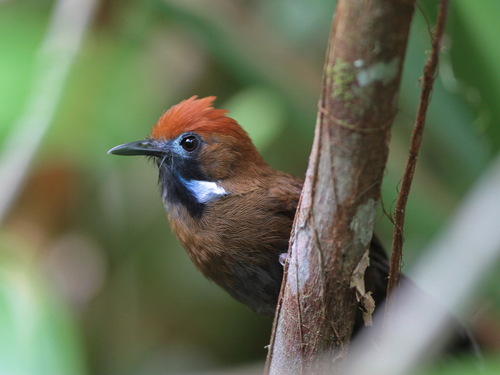
ミノゲチメドリ (Macronus ptilosus) ミノゲチメドリ

メディア

読み込み中…

要点

イエローベリーカンムリヒヨドリとミノゲチメドリを区別する最も信頼性の高い方法は、全体の構造と羽毛によるものです:カンムリヒヨドリは、きれいな黄色の腹部と灰色の頭を持つ、より頑丈で直立した鳥であり、一方ミノゲチメドリは、より小さく、より活発で、背中に特徴的なふわふわしたまたは緩い外観を示します。両種はマレー半島とボルネオ地域の低地森林の生息地を共有していますが、姿勢、頭の模様、羽毛の質感がフィールドでの鍵となります。幼鳥や未成熟の特定の翼の模様はどちらの種にも記載されていないため、成鳥の構造と羽毛に焦点を当ててください。カンムリヒヨドリの別名に混乱しないように注意してください。これらは他の種と重複します。

識別のコツ

  1. 黄色の腹部と灰色の頭を確認する: イエローベリーカンムリヒヨドリだけが、きれいな黄色の腹部と白い喉を持つ灰色または灰色の頭を対比させています。ミノゲチメドリはより均一に茶色で、これらの鋭い対比が欠けています。
  2. ふわふわした背中を探す: ミノゲチメドリは、その緩くてふわふわした上部のために名付けられました。特に鳥が活発なときに、乱れたまたはもつれたように見えることがあります。カンムリヒヨドリの羽毛は滑らかで整っています。
  3. 全体の構造を評価する: カンムリヒヨドリはより頑丈で直立しており、目立つ場所に止まることがよくあります。ミノゲチメドリはより小さく、よりコンパクトで、葉の間を移動する際にしばしば背を丸めたり水平に見えたりします。
  4. 行動の手がかり: ミノゲチメドリは非常に活発で、小さな群れで見られることが多く、低い枝や下草を素早く移動します。カンムリヒヨドリは、より孤独またはペアでいることが多く、止まっている時間が長いです。
  5. 頭と喉の模様: カンムリヒヨドリの灰色の頭と白い喉は特徴的です。ミノゲチメドリはこれらの特徴が欠けており、頭の模様があまり明確ではありません。
  6. カンムリヒヨドリに冠はない: 一部の別名にもかかわらず、イエローベリーカンムリヒヨドリは冠がなく、他のカンムリヒヨドリから分けるのに役立ちますが、ミノゲチメドリからは分けることができません。
  7. 別名を無視する: 'イエローベリーカンムリヒヨドリ'や'キバラカンムリヒヨドリ'は他の種に使用されていることに注意してください。常に実際のフィールドマークを確認し、名前だけでなく確認してください。
  8. 飛行中の診断的な翼の模様はない: どちらの種も独自の幼鳥や未成熟の翼の模様を持っているとは記載されていないため、分離のために飛行中の視点に頼らないでください。
  9. 生息地の重複: 両者は似たような森林タイプに見られるため、湿地帯を除いて生息地を主要な区別要因として使用しないでください。湿地帯はミノゲチメドリをわずかに好みます。
  10. フィールドでの信頼できるサイズの違いはない: ミノゲチメドリの質量は記録されていますが、両者は小さな歌鳥であり、分離には構造と羽毛を使用し、サイズではなく使用してください。
  11. 声は記載されていない: 歌や鳴き声を聞いた場合、これらのメモに基づいて分離に使用しないでください。
  12. 姿勢に注意する: カンムリヒヨドリは直立して止まり、露出した枝から歌うことがあります。ミノゲチメドリは、密なカバーを素早く移動しているのが見られることが多いです。
  13. 群れのサイズ: ミノゲチメドリはしばしば小さくて騒がしい群れにいますが、カンムリヒヨドリはより孤独またはペアでいることが多いです。
  14. 混乱の文脈: 別名やあいまいな羽毛のために不明な場合は、黄色の腹部と灰色の頭(カンムリヒヨドリ)対ふわふわした背中と茶色のトーン(ミノゲチメドリ)に焦点を当ててください。

大きさ

ミノゲチメドリだけが記録された質量(26g [wikidata])を持っていますが、両者は小さな森林の歌鳥に典型的なサイズで広く似ています。カンムリヒヨドリはわずかにずっしりとして直立して見えるかもしれませんが、ミノゲチメドリはより繊細でコンパクトである可能性があります。カンムリヒヨドリの直接的な測定がない場合は、絶対的なサイズではなく、ジズと姿勢に頼ってください。

羽色

どちらの種にも年齢特有の翼や飛行パターンは記載されていないため、成鳥の羽毛に焦点を当ててください。イエローベリーカンムリヒヨドリは、きれいな黄色の腹部、灰色または灰色の頭、白い喉を示し、冠はありません。その羽毛は一般的に滑らかで整っています。対照的に、ミノゲチメドリはその緩くてふわふわした背中の羽毛のために名付けられ、特に上部で乱れたまたはもつれた外観を与えます。ミノゲチメドリはカンムリヒヨドリの明確な黄色の腹部が欠けており、代わりにより muted な茶色の全体的な色合いを持っています。頭の模様はミノゲチメドリではあまり明確ではなく、カンムリヒヨドリの対照的な灰色の頭と白い喉が欠けています。

行動

カンムリヒヨドリは直立して止まる傾向があり、より静止しているように見えることがあり、しばしば目に見える止まり木から歌います。ミノゲチメドリはより活発で、頻繁に下草や低い枝を移動し、小さな群れで見られることが多いです。その採餌はより落ち着きがなく、マウスのようで、時々翼や尾をひらひらさせます。ミノゲチメドリの緩くてふわふわした背中の羽毛は、活発に採餌しているときにより明らかになるかもしれません。

生息環境

両種はマレー半島、スマトラ、ボルネオ、および隣接地域の亜熱帯または熱帯の湿った低地森林に生息しています。ミノゲチメドリの範囲は、タイにわずかに北に広がり、湿地帯と森林を含みます。フィールドでは、両者は似たような森林タイプに生息することがあるため、生息地だけでは強力な区別要因ではありません。

より良い説明を送る

比較と同じ項目を使ってください。文章はすぐに公開されます。

The most reliable way to separate Yellow-bellied Bulbul from Fluffy-backed Tit-Babbler is by overall structure and plumage: the bulbul is a more robust, upright bird with a clean yellow belly and greyish head, while the tit-babbler is smaller, more active, and shows a distinctive fluffy or loose appearance on its back. Both species share similar lowland forest habitats in the Malay Peninsula and Borneo region, but their posture, head pattern, and feather texture are key in the field. Juvenile and immature-specific wing patterns are not described for either species, so focus on adult structure and plumage. Beware of confusing alternate names for the bulbul, as these overlap with other species.

  1. Check for a yellow belly and greyish head: Only the Yellow-bellied Bulbul has a clean yellow belly and a contrasting grey or grey-capped head with a white throat. The tit-babbler is more uniformly brownish and lacks these sharp contrasts.
  2. Look for the fluffy back: The Fluffy-backed Tit-Babbler is named for its loose, fluffy upperparts, which can look scruffy or tousled, especially when the bird is active. The bulbul's plumage is smooth and neat.
  3. Assess overall structure: The bulbul is more robust and upright, often perching in a conspicuous spot. The tit-babbler is smaller, more compact, and often appears hunched or horizontal when moving through foliage.
  4. Behavioral cues: Tit-babblers are very active, often seen in small groups, and move quickly through undergrowth or low branches. Bulbuls are more likely to be solitary or in pairs and spend more time perched.
  5. Head and throat pattern: The bulbul's grey head and white throat are distinctive. The tit-babbler lacks these features and has a less defined head pattern.
  6. No crest in bulbul: Despite some alternate names, the Yellow-bellied Bulbul is crestless, which helps separate it from other bulbuls but not from the tit-babbler.
  7. Ignore alternate names: Be aware that 'yellow-bellied bulbul' and 'white-throated bulbul' are used for other species; always check the actual field marks, not just names.
  8. No diagnostic wing pattern in flight: Neither species is described as having unique juvenile or immature wing markings, so do not rely on flight views for separation.
  9. Habitat overlap: Both can be found in similar forest types, so do not use habitat as a primary separator unless in swampland, which slightly favors the tit-babbler.
  10. No reliable size difference in the field: While the tit-babbler's mass is documented, both are small songbirds; use structure and plumage, not size, for separation.
  11. Voice not described: If you hear a song or call, do not use it for separation based on these notes.
  12. Watch for posture: Bulbuls perch upright and may sing from exposed branches; tit-babblers are more likely to be seen moving rapidly through dense cover.
  13. Group size: Tit-babblers are often in small, noisy groups, while bulbuls are more often alone or in pairs.
  14. Context of confusion: If you are unsure due to alternate names or ambiguous plumage, focus on the yellow belly and grey head (bulbul) versus the fluffy back and brownish tones (tit-babbler).

Only the Fluffy-backed Tit-Babbler has a documented mass (26g [wikidata]), but both species are broadly similar in size, typical of small forest songbirds. The bulbul may appear slightly bulkier and more upright, while the tit-babbler is likely more delicate and compact. Without direct measurements for the bulbul, rely on jizz and posture rather than absolute size.

No age-specific wing or flight patterns are described for either species, so focus on adult plumage. The Yellow-bellied Bulbul shows a clean yellow belly, a greyish or grey-capped head, and a white throat, with no crest. Its plumage is generally smooth and neat. In contrast, the Fluffy-backed Tit-Babbler is named for its loose, fluffy back feathers, giving it a scruffy or tousled look, especially on the upperparts. The tit-babbler lacks the bulbul's clear yellow belly and instead has a more muted, brownish overall coloration. Head pattern is less distinct in the tit-babbler, lacking the bulbul's contrasting grey head and white throat.

The bulbul tends to perch upright and can appear more stationary, often singing from a visible perch. The tit-babbler is more active, frequently moving through undergrowth or low branches, and often appears in small groups. Its foraging is more restless and mouse-like, sometimes flicking its wings or tail. The loose, fluffy back feathers of the tit-babbler may be more obvious when it is actively foraging.

Both species inhabit subtropical or tropical moist lowland forests in the Malay Peninsula, Sumatra, Borneo, and adjacent areas. The tit-babbler's range extends slightly farther north into Thailand and includes swampland as well as forest. In the field, both can occur in similar forest types, so habitat alone is not a strong separator.

変更を破棄しますか?

保存していない編集があります。今離れると失われます。

ハイガシラアゴカンムリヒヨドリ · ミノゲチメドリ · 苦手な鳥