

Yellow-bellied Bulbul vs Fluffy-backed Tit-Babbler
Alophoixus phaeocephalus contro Macronus ptilosus
Fai un quiz con Yellow-bellied Bulbul e Fluffy-backed Tit-Babbler
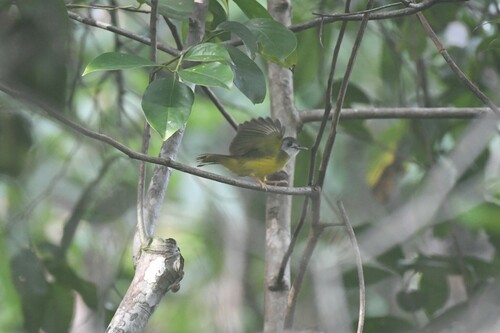 Yellow-bellied Bulbul
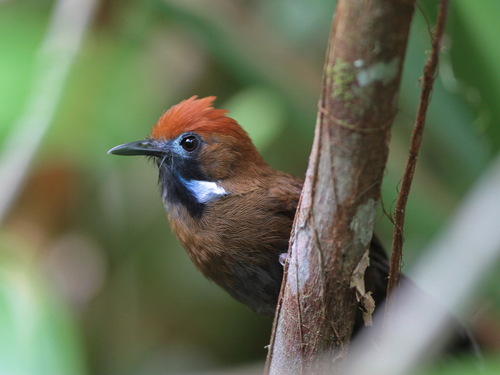 Fluffy-backed Tit-Babbler
In breve
Il modo più affidabile per separare il Yellow-bellied Bulbul dal Fluffy-backed Tit-Babbler è attraverso la struttura generale e il piumaggio: il bulbul è un uccello più robusto e eretto con un ventre giallo pulito e una testa grigia, mentre il tit-babbler è più piccolo, più attivo e mostra un aspetto distintivo e soffice o allentato sulla schiena. Entrambe le specie condividono habitat forestali simili nelle pianure basse della Penisola Malese e della regione di Borneo, ma la loro postura, il modello della testa e la texture delle piume sono fondamentali sul campo. I modelli di ali specifici per i giovani e gli immaturi non sono descritti per nessuna delle due specie, quindi concentrati sulla struttura e sul piumaggio degli adulti. Fai attenzione a non confondere i nomi alternativi per il bulbul, poiché questi si sovrappongono ad altre specie.
Consigli di identificazione
- Controlla se ha un ventre giallo e una testa grigia: Solo il Yellow-bellied Bulbul ha un ventre giallo pulito e una testa grigia o grigia con una gola bianca. Il tit-babbler è più uniformemente marrone e manca di questi contrasti netti.
- Cerca la schiena soffice: Il Fluffy-backed Tit-Babbler è chiamato così per le sue parti superiori morbide e soffici, che possono apparire disordinate o arruffate, specialmente quando l'uccello è attivo. Il piumaggio del bulbul è liscio e ordinato.
- Valuta la struttura generale: Il bulbul è più robusto e eretto, spesso posandosi in un luogo evidente. Il tit-babbler è più piccolo, più compatto e spesso appare curvo o orizzontale quando si muove tra il fogliame.
- Indizi comportamentali: I tit-babblers sono molto attivi, spesso visti in piccoli gruppi, e si muovono rapidamente attraverso la vegetazione o i rami bassi. I bulbul sono più propensi a essere solitari o in coppie e trascorrono più tempo posati.
- Modello della testa e della gola: La testa grigia e la gola bianca del bulbul sono distintive. Il tit-babbler manca di queste caratteristiche e ha un modello della testa meno definito.
- Nessuna cresta nel bulbul: Nonostante alcuni nomi alternativi, il Yellow-bellied Bulbul è senza cresta, il che aiuta a separarlo dagli altri bulbuli ma non dal tit-babbler.
- Ignora i nomi alternativi: Fai attenzione che 'yellow-bellied bulbul' e 'white-throated bulbul' sono usati per altre specie; controlla sempre i segni reali sul campo, non solo i nomi.
- Nessun modello di ali diagnostico in volo: Nessuna delle due specie è descritta come avente marcature uniche sulle ali per i giovani o gli immaturi, quindi non fare affidamento sulle viste in volo per la separazione.
- Sovrapposizione degli habitat: Entrambi possono essere trovati in tipi di foresta simili, quindi non utilizzare l'habitat come separatore principale a meno che non ci si trovi in paludi, che favoriscono leggermente il tit-babbler.
- Nessuna differenza di dimensioni affidabile sul campo: Sebbene la massa del tit-babbler sia documentata, entrambi sono piccoli uccelli canori; utilizza la struttura e il piumaggio, non le dimensioni, per la separazione.
- Voce non descritta: Se senti un canto o un richiamo, non usarlo per la separazione basata su queste note.
- Osserva la postura: I bulbul si posano eretti e possono cantare da rami esposti; i tit-babblers sono più propensi a essere visti muoversi rapidamente attraverso una copertura densa.
- Dimensione del gruppo: I tit-babblers sono spesso in piccoli gruppi rumorosi, mentre i bulbul sono più spesso soli o in coppie.
- Contesto di confusione: Se non sei sicuro a causa di nomi alternativi o piumaggio ambiguo, concentrati sul ventre giallo e sulla testa grigia (bulbul) rispetto alla schiena soffice e ai toni marroni (tit-babbler).
Taglia
Solo il Fluffy-backed Tit-Babbler ha una massa documentata (26g [wikidata]), ma entrambe le specie sono ampiamente simili in dimensioni, tipiche dei piccoli uccelli canori forestali. Il bulbul può apparire leggermente più robusto e eretto, mentre il tit-babbler è probabilmente più delicato e compatto. Senza misurazioni dirette per il bulbul, fai affidamento su jizz e postura piuttosto che su dimensioni assolute.
Piumaggio
Nessun modello di ali o di volo specifico per età è descritto per nessuna delle due specie, quindi concentrati sul piumaggio degli adulti. Il Yellow-bellied Bulbul mostra un ventre giallo pulito, una testa grigia o grigia e una gola bianca, senza cresta. Il suo piumaggio è generalmente liscio e ordinato. Al contrario, il Fluffy-backed Tit-Babbler è chiamato così per le sue piume della schiena morbide e soffici, che gli conferiscono un aspetto disordinato o arruffato, specialmente sulle parti superiori. Il tit-babbler manca del chiaro ventre giallo del bulbul e ha invece una colorazione complessiva più attenuata e marrone. Il modello della testa è meno distintivo nel tit-babbler, mancando della testa grigia contrastante e della gola bianca del bulbul.
Comportamento
Il bulbul tende a posarsi eretto e può apparire più stazionario, spesso cantando da un posatoio visibile. Il tit-babbler è più attivo, si muove frequentemente attraverso la vegetazione o i rami bassi, e appare spesso in piccoli gruppi. La sua ricerca di cibo è più irrequieta e simile a quella di un topo, a volte sbattendo le ali o la coda. Le piume della schiena morbide e soffici del tit-babbler possono essere più evidenti quando sta cercando attivamente cibo.
Habitat
Entrambe le specie abitano foreste umide subtropicali o tropicali nelle pianure basse della Penisola Malese, Sumatra, Borneo e aree adiacenti. L'areale del tit-babbler si estende leggermente più a nord in Thailandia e include paludi oltre alla foresta. Sul campo, entrambe possono verificarsi in tipi di foresta simili, quindi l'habitat da solo non è un forte separatore.
Yellow-bellied Bulbul · Fluffy-backed Tit-Babbler · I miei uccelli difficili