

felosa-musical vs felosinha-ibérica
Phylloscopus trochilus versus Phylloscopus ibericus
Jogue um quiz com felosa-musical e felosinha-ibérica
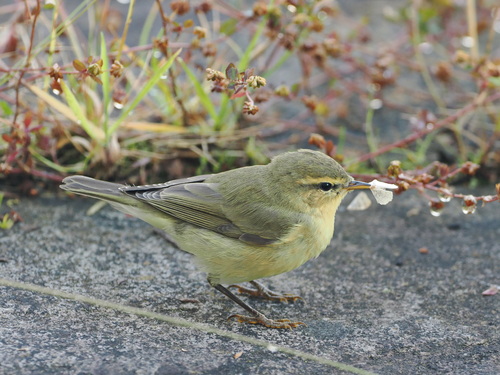 felosa-musical
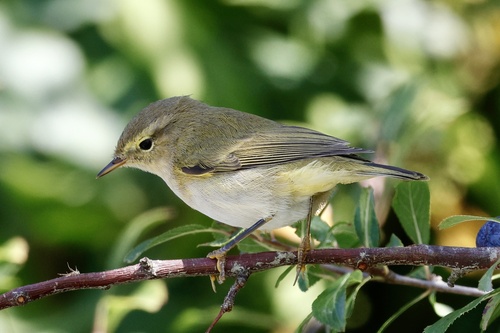 felosinha-ibérica
Em resumo
A felosa-musical e a felosinha-ibérica são notoriamente semelhantes, mas uma observação cuidadosa da estrutura e detalhes sutis da plumagem pode separá-las. A marca de campo mais confiável é a projeção primária mais longa da felosa-musical (extensão da ponta da asa além das tertiais), que é visivelmente maior do que na felosinha-ibérica de todas as idades. A felosa-musical também tende a parecer mais elegante e esbelta, com um bico mais longo e mais claro e pernas amarelo-pálidas, enquanto a felosinha-ibérica é ligeiramente mais robusta, com uma parte superior verde mais limpa e uma distinta faixa ocular escura. Ambas as espécies não possuem barras alares e têm partes inferiores amareladas, mas o peito da felosinha-ibérica é mais intensamente amarelo e a barriga é mais branca, criando um contraste mais acentuado. As vocalizações são úteis, mas variáveis; o canto da felosa-musical é um doce assobio descendente, enquanto o da felosinha-ibérica é mais complexo e ruidoso.
Dicas de identificação
- Projeção primária (todas as idades): A felosa-musical apresenta uma projeção primária visivelmente mais longa (a ponta da asa se estende bem além das tertiais quando empoleirada), dando uma asa mais pontuda. A projeção da felosinha-ibérica é mais curta, fazendo a asa parecer mais arredondada e o pássaro mais compacto.
- Forma geral e aparência: A felosa-musical parece mais esbelta e elegante, com um corpo e cauda mais longos, enquanto a felosinha-ibérica é ligeiramente mais robusta e com asas mais curtas.
- Cor e comprimento do bico: A felosa-musical tem um bico mais longo e mais claro (frequentemente rosado na base), enquanto o bico da felosinha-ibérica é ligeiramente mais curto e pode ser mais escuro, embora não tão escuro quanto o da felosinha-comum.
- Cor das pernas: As pernas da felosa-musical são amarelo-pálidas. A cor das pernas da felosinha-ibérica não é descrita em detalhes, mas se as pernas parecerem escuras, considere a felosinha-ibérica menos provável (embora isso não seja tão confiável quanto para a felosinha-comum).
- Cor da parte superior: A felosa-musical é marrom-esverdeada acima, às vezes com um tom mais marrom ou cinza dependendo da subespécie. A felosinha-ibérica é mais limpa, com uma parte superior verde-oliva, sem qualquer tom marrom.
- Padrão das partes inferiores: A felosa-musical é branca a amarelada por baixo, com juvenis especialmente amarelos. A felosinha-ibérica tem um peito fortemente amarelo e uma barriga branca, criando uma divisão mais acentuada entre o peito e a barriga.
- Padrão facial: A felosinha-ibérica tem uma faixa ocular escura mais distinta, fazendo o rosto parecer mais contrastante. O rosto da felosa-musical é mais simples.
- Barras alares: Ambas as espécies não possuem barras alares; não use essa característica.
- Plumagem juvenil: Os juvenis da felosa-musical são mais amarelos por baixo do que os adultos, o que pode ser uma pista no final do verão e outono. Os juvenis da felosinha-ibérica não são especificamente descritos, mas provavelmente se assemelham aos adultos.
- Canto: O canto da felosa-musical é um doce assobio descendente, muito diferente do canto complexo, ruidoso e repetitivo da felosinha-ibérica. Use o canto se ouvido bem.
- Chamado: O chamado da felosa-musical é um 'hoo-eet' disilábico, enquanto o da felosinha-ibérica é mais rápido e monótono, mas os chamados são menos confiáveis para separação.
- Habitat e distribuição: A felosa-musical é amplamente distribuída no norte e na Europa temperada; a felosinha-ibérica é restrita ao sudoeste da Europa e ao noroeste da África. Fora da área de distribuição, considere a frequência de cada espécie.
- Estação: Ambas são migratórias e podem se sobrepor durante a passagem, então não confie apenas na data, exceto nas extremidades de suas distribuições.
- Sexo: Não há dimorfismo sexual; todas as marcas se aplicam a ambos os sexos.
- Armadilhas: Ambas são facilmente confundidas com a felosinha-comum, mas as marcas acima são mais úteis ao comparar diretamente a felosa-musical e a felosinha-ibérica. Sempre verifique múltiplas características, pois a variação individual e a luz podem enganar.
Tamanho
Ambas as espécies são muito semelhantes em tamanho, com a felosa-musical medindo 11–12,5 cm de comprimento e pesando 7–15 g [wikipedia]. A felosinha-ibérica é descrita como ligeiramente maior, mas essa diferença é mínima e não confiável em campo. A estrutura é mais útil: a felosa-musical parece mais alongada devido às suas asas mais longas e projeção primária, enquanto a felosinha-ibérica é um pouco mais compacta.
Plumagem
- Pássaros juvenis/imaturos: Ambas as espécies não possuem barras alares e têm asas superiores simples, então o padrão de voo não é útil. No entanto, os juvenis da felosa-musical são visivelmente mais amarelos por baixo do que os adultos, enquanto os juvenis da felosinha-ibérica não são especificamente descritos, mas provavelmente mostram um padrão semelhante ao dos adultos: peito amarelo e barriga branca com uma pronunciada faixa ocular escura.
- Adultos: A felosa-musical é marrom-esverdeada acima com partes inferiores brancas a amareladas, e as asas são marrom-esverdeadas simples. A felosinha-ibérica tem partes superiores mais limpas e verde-oliva, sem tom marrom, um peito amarelo e uma barriga branca, criando uma divisão mais acentuada entre o peito e a barriga. Ambas as espécies não possuem barras alares. As pernas da felosa-musical são amarelo-pálidas, enquanto as da felosinha-ibérica não são descritas em detalhes, mas são mais escuras na felosinha-comum, então podem ser intermediárias. A faixa ocular é mais pronunciada na felosinha-ibérica, aumentando o contraste facial.
Comportamento
Ambas as espécies são forrageadoras ativas e inquietas em árvores e arbustos, frequentemente movendo as asas e caudas. A felosa-musical pode parecer ligeiramente mais graciosa e alongada em movimento, refletindo suas asas mais longas e forma geral. Nenhuma diferença comportamental significativa é notada que separaria confiavelmente as duas em campo.
Habitat
A felosa-musical se reproduz em uma vasta área no norte e na Europa temperada e no Paleártico, preferindo florestas abertas com bétulas, amieiros e salgueiros. A felosinha-ibérica é restrita como reprodutora ao sudoeste da Europa e ao noroeste da África, frequentemente em bosques de carvalho, matas e florestas ribeirinhas. A sobreposição é mínima, exceto durante a migração, mas o habitat sozinho não é diagnóstico onde ambas podem ocorrer.
Voz
O canto da felosa-musical é um assobio simples, doce e repetitivo, e seu chamado é um 'hoo-eet' disilábico. O canto da felosinha-ibérica é mais complexo, com frases repetidas de 'chiff-chiff-chiff-chiff-dr-dr-dr-dr-swit-swit-swit', incluindo ruídos e assobios prolongados. O chamado é mais rápido e monótono do que o da felosinha-comum, mas os chamados de ambas as espécies podem ser confusos sem experiência. O canto da felosa-musical é o mais fácil de separar; os chamados são menos confiáveis.