
Mosquitero Musical vs Mosquitero Ibérico
Phylloscopus trochilus frente a Phylloscopus ibericus
Juega un quiz con Mosquitero Musical y Mosquitero Ibérico
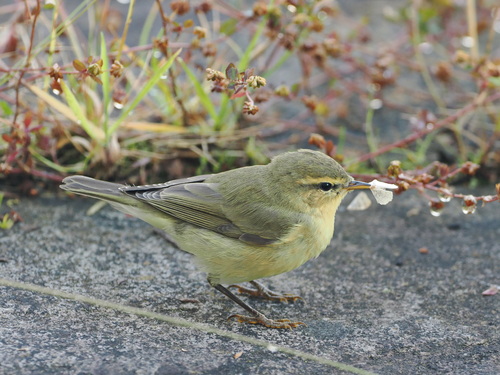 Mosquitero Musical
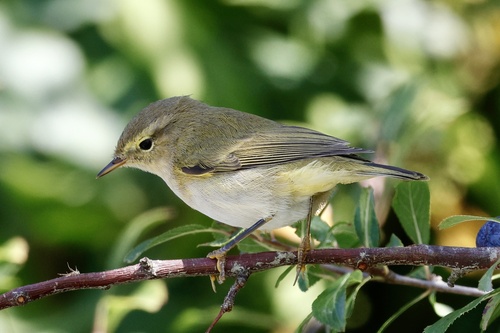 Mosquitero Ibérico
En breve
Mosquitero Musical y Mosquitero Ibérico son notoriamente similares, pero una cuidadosa observación de la estructura y detalles sutiles del plumaje puede separarlos. La marca de campo más confiable es la proyección primaria más larga del Mosquitero Musical (extensión de la punta del ala más allá de las terciarias), que es notablemente mayor que en el Mosquitero Ibérico de todas las edades. El Mosquitero Musical también tiende a verse más elegante y esbelto, con un pico más largo y pálido y patas de un amarillo pálido, mientras que el Mosquitero Ibérico es ligeramente más robusto con una parte superior verde más limpia y una distintiva franja ocular oscura. Ambas especies carecen de barras alares y tienen partes inferiores amarillentas, pero el pecho del Mosquitero Ibérico es más intensamente amarillo y el vientre más blanco, creando un contraste más agudo. Las vocalizaciones son útiles pero variables; el canto del Mosquitero Musical es un dulce silbido descendente, mientras que el del Mosquitero Ibérico es más complejo y ruidoso.
Consejos de identificación
- Proyección primaria (todas las edades): El Mosquitero Musical muestra una proyección primaria notablemente más larga (la punta del ala se extiende bien más allá de las terciarias cuando está posado), dando una ala más puntiaguda. La proyección del Mosquitero Ibérico es más corta, haciendo que el ala se vea más redondeada y el ave más compacta.
- Forma general y aspecto: El Mosquitero Musical parece más esbelto y elegante, con un cuerpo y cola más largos, mientras que el Mosquitero Ibérico es ligeramente más robusto y con alas más cortas.
- Color y longitud del pico: El Mosquitero Musical tiene un pico más largo y pálido (a menudo rosado en la base), mientras que el pico del Mosquitero Ibérico es ligeramente más corto y puede ser más oscuro, aunque no tan oscuro como el mosquitero común.
- Color de las patas: Las patas del Mosquitero Musical son de un amarillo pálido. El color de las patas del Mosquitero Ibérico no se describe en detalle, pero si las patas parecen oscuras, considera que el Mosquitero Ibérico es menos probable (aunque esto no es tan confiable como para el mosquitero común).
- Color de la parte superior: El Mosquitero Musical es de un marrón verdoso por encima, a veces con un tono más marrón o gris dependiendo de la subespecie. El Mosquitero Ibérico es más limpio, de un verde oliva más claro por encima, sin ningún tono marrón.
- Patrón de las partes inferiores: El Mosquitero Musical es de un blanco sucio a amarillento por debajo, siendo especialmente amarillos los juveniles. El Mosquitero Ibérico tiene un pecho fuertemente amarillo y un vientre blanco, creando una división más aguda entre el pecho y el vientre.
- Patrón facial: El Mosquitero Ibérico tiene una franja ocular oscura más distintiva, haciendo que la cara se vea más contrastante. La cara del Mosquitero Musical es más simple.
- Barras alares: Ambas especies carecen de barras alares; no utilices esta característica.
- Plumaje juvenil: Los juveniles del Mosquitero Musical son más amarillos por debajo que los adultos, lo que puede ser una pista a finales del verano y otoño. Los juveniles del Mosquitero Ibérico no se describen específicamente pero probablemente se asemejan a los adultos.
- Canto: El canto del Mosquitero Musical es un dulce silbido descendente, muy diferente del canto complejo, ruidoso y repetitivo del Mosquitero Ibérico. Usa el canto si se escucha bien.
- Llamada: La llamada del Mosquitero Musical es un 'hoo-eet' disilábico, mientras que la del Mosquitero Ibérico es más rápida y monótona, pero las llamadas son menos confiables para la separación.
- Hábitat y distribución: El Mosquitero Musical es común en el norte y Europa templada; el Mosquitero Ibérico está restringido al suroeste de Europa y el noroeste de África. Fuera de su rango, considera la frecuencia de cada especie.
- Temporada: Ambas son migratorias y pueden superponerse en el paso, así que no te bases únicamente en la fecha excepto en los extremos de sus rangos.
- Sexo: No hay dimorfismo sexual; todas las marcas se aplican a ambos sexos.
- Trampas: Ambas son fácilmente confundidas con el mosquitero común, pero las marcas anteriores son más útiles al comparar directamente el Mosquitero Musical y el Mosquitero Ibérico. Siempre verifica múltiples características, ya que la variación individual y la luz pueden engañar.
Tamaño
Ambas especies son muy similares en tamaño, con el Mosquitero Musical midiendo 11–12.5 cm de longitud y pesando 7–15 g [wikipedia]. El Mosquitero Ibérico se describe como ligeramente más grande, pero esta diferencia es mínima y no confiable en el campo. La estructura es más útil: el Mosquitero Musical parece más alargado debido a sus alas más largas y proyección primaria, mientras que el Mosquitero Ibérico es un poco más compacto.
Plumaje
- Aves juveniles/inmaduras: Ambas especies carecen de barras alares y tienen alas superiores lisas, por lo que el patrón de vuelo no es útil. Sin embargo, los juveniles del Mosquitero Musical son notablemente más amarillos por debajo que los adultos, mientras que los juveniles del Mosquitero Ibérico no se describen específicamente pero probablemente muestran un patrón similar al de los adultos: pecho amarillo y vientre blanco con una pronunciada franja ocular oscura.
- Adultos: El Mosquitero Musical es de un marrón verdoso por encima con partes inferiores de un blanco sucio a amarillento, y las alas son de un marrón verdoso liso. El Mosquitero Ibérico tiene partes superiores más limpias y de un verde oliva más claro sin tono marrón, un pecho amarillo y un vientre blanco, creando una división más aguda entre el pecho y el vientre. Ambas especies carecen de barras alares. Las patas del Mosquitero Musical son de un amarillo pálido, mientras que las del Mosquitero Ibérico no se describen en detalle pero son más oscuras en el mosquitero común, por lo que pueden ser intermedias. La franja ocular es más pronunciada en el Mosquitero Ibérico, realzando el contraste facial.
Comportamiento
Ambas especies son forrajeadoras activas e inquietas en árboles y arbustos, a menudo moviendo alas y colas. El Mosquitero Musical puede parecer ligeramente más elegante y alargado en movimiento, reflejando sus alas más largas y su forma general. No se notan diferencias de comportamiento importantes que permitan separarlas de manera confiable en el campo.
Hábitat
El Mosquitero Musical cría en una vasta área en el norte y Europa templada y el Paleártico, favoreciendo bosques abiertos con abedules, alisos y sauces. El Mosquitero Ibérico está restringido como criador al suroeste de Europa y el noroeste de África, a menudo en bosques de robles, matorrales y bosques ribereños. La superposición es mínima excepto en migración, pero el hábitat por sí solo no es diagnóstico donde ambas pueden ocurrir.
Voz
El canto del Mosquitero Musical es un silbido simple, dulce y repetitivo, y su llamada de contacto es un 'hoo-eet' disilábico. El canto del Mosquitero Ibérico es más complejo, con frases repetidas de 'chiff-chiff-chiff-chiff-dr-dr-dr-dr-swit-swit-swit', incluyendo ruidos y silbidos prolongados. La llamada es más rápida y monótona que la del mosquitero común, pero las llamadas de ambas especies pueden ser confusas sin experiencia. El canto del Mosquitero Musical es el más fácil de separar; las llamadas son menos confiables.
Mosquitero Musical · Mosquitero Ibérico · Mis aves difíciles