

chingolito vs riscadinha
Zonotrichia albicollis versus Mniotilta varia
Jogue um quiz com chingolito e riscadinha
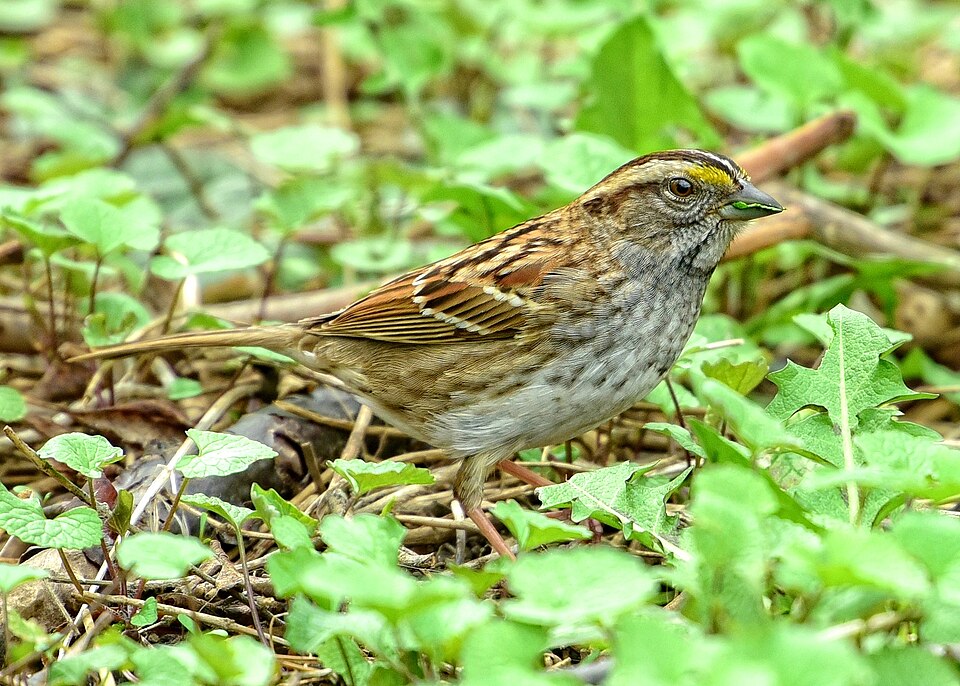 chingolito
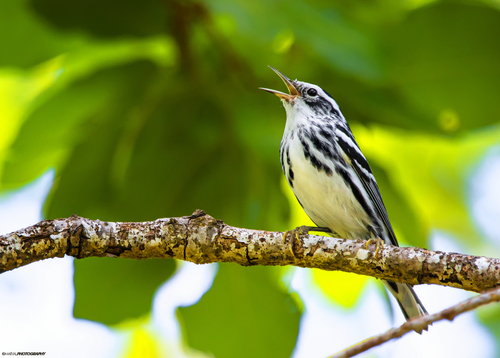 riscadinha
Em resumo
A marca de campo mais confiável para separar o chingolito da riscadinha é a mancha de garganta branca limpa do chingolito, contornada por listras laterais escuras, combinada com lores amarelas e um bico robusto e cônico — características que nunca são mostradas pela riscadinha. Em contraste, a riscadinha é audaciosamente listrada em preto e branco por toda parte, com um bico esguio, ligeiramente curvado para baixo e sem amarelo no rosto. As riscadinhas juvenis e fêmeas são mais apagadas, mas ainda mostram listras extensas e carecem do padrão facial do chingolito. O tamanho e a estrutura também diferem: o chingolito é mais robusto e longo, enquanto a riscadinha é menor, mais esbelta e mais ativa, frequentemente se movendo ao longo de troncos e galhos. Se você ver um pássaro listrado em preto e branco com uma garganta branca e lores amarelas, é um chingolito; se estiver listrado por toda parte, esbelto e se movendo como um trepador, é uma riscadinha.
Dicas de identificação
- Mancha de garganta branca com lores amarelas (apenas chingolito): O chingolito sempre mostra uma garganta branca brilhante contornada por listras escuras e uma mancha amarela na frente do olho (lores), independentemente da idade ou morfo. A riscadinha nunca mostra esse padrão.
- Listras gerais (apenas riscadinha): A riscadinha é audaciosamente listrada em preto e branco acima e abaixo em todas as plumagens, mesmo juvenis e fêmeas (embora mais apagadas). O chingolito é em sua maioria liso abaixo do peito e nunca é tão fortemente listrado em geral.
- Formato do bico: O chingolito tem um bico grosso, cônico, de comedor de sementes; a riscadinha tem um bico fino, pontudo e ligeiramente curvado para a coleta de insetos. O formato do bico é frequentemente visível mesmo à distância.
- Padrão facial: O chingolito mostra um forte padrão facial com um supercílios branco ou bege e uma faixa na coroa, lores amarelas e auriculares contrastantes. A riscadinha tem uma sobrancelha branca, mas carece de amarelo e tem um rosto mais uniforme em preto e branco, com machos mostrando uma bochecha preta e fêmeas uma bochecha cinza.
- Faixas nas asas: Ambas as espécies têm duas faixas brancas nas asas, mas as da riscadinha estão em uma asa mais escura e geralmente são mais contrastantes. As asas do chingolito são marrom-rufoso com menos contraste.
- Peito e barriga: O chingolito tem listras no peito e flancos, mas uma barriga em sua maioria lisa e cinza claro. A riscadinha é listrada por toda a parte inferior.
- Plumagem juvenil/imatura: As riscadinhas juvenis são mais apagadas, mas ainda listradas e nunca mostram uma garganta branca ou lores amarelas. Os chingolitos jovens se parecem com adultos em padrão facial.
- Tamanho e estrutura: O chingolito é maior, mais robusto e mais arredondado, com um pescoço grosso e corpo robusto. A riscadinha é menor, mais esbelta e mais delicada.
- Comportamento: Os chingolitos forrageiam no chão ou baixo na vegetação, movendo-se lentamente e frequentemente em bandos. As riscadinhas sobem troncos e galhos, movendo-se rapidamente e frequentemente sozinhas ou em bandos mistos de riscadinhas.
- Estilo de voo: O chingolito voa com um voo mais pesado e direto; a riscadinha é mais leve e mais flutuante.
- Habitat: Os chingolitos preferem habitats arbustivos, infestados de ervas daninhas ou de borda de floresta; as riscadinhas são encontradas em florestas maduras, especialmente em troncos e galhos de árvores.
- Canto: O chingolito canta uma canção clara e assobiada; a riscadinha canta uma canção alta, zumbidora e repetitiva. Os chamados também diferem: o chingolito emite um agudo 'tseep', a riscadinha um alto 'tick'.
- Diferenças de sexo/idade: Ambas as espécies mostram algum dimorfismo sexual, mas as marcas-chave acima (garganta, lores, listras, bico) são confiáveis em todas as idades e sexos.
- Estação: Ambas as espécies migram, mas o chingolito é mais provável de ser encontrado em bandos de inverno arbustivos, enquanto a riscadinha é mais frequentemente vista sozinha ou em grupos mistos de riscadinhas durante a migração.
- Erros comuns: Não confunda o padrão facial do chingolito com listras; não confunda as listras gerais da riscadinha com as listras do peito do chingolito. O formato do bico e o comportamento são frequentemente as verificações mais rápidas se a plumagem estiver obscurecida.
Tamanho
chingolito is significantly larger and heavier (body mass ~25 g, length 15–19 cm) than riscadinha (mass 8–15 g, length 11–13 cm). The sparrow has a noticeably chunkier body, thicker neck, and a larger, conical bill, while the warbler is slim, with a fine, pointed bill. Wingspan also favors the sparrow (23 cm vs. 18–22 cm), but in the field, overall bulk and bill shape are more obvious than wingspan. A perched chingolito looks round and robust; riscadinha appears delicate and agile.
Plumagem
Juvenile and first-fall Black-and-white Warblers are duller than adults but always show some black-and-white streaking above and below, with a streaked back, wings, and underparts, plus two white wing bars. Juveniles may show more spotting, but never the clean white throat and yellow lores of chingolito. Adult male Black-and-white Warblers are boldly streaked everywhere, including the throat and cheeks (black in males, gray in females). chingolito, in all ages and morphs, shows a bright white throat bordered by dark stripes, yellow lores, and a contrasting face pattern (either white or tan supercilium and crown stripe, depending on morph). The sparrow’s wings are rufous with two white wing bars, but the rest of the body is mostly gray/tan with streaks on the breast and flanks, not the bold overall streaking of the warbler. Both species have wing bars, but the warbler’s are set in a blacker wing and are usually more contrasting. The sparrow’s underparts are mostly unstreaked below the breast, while the warbler’s are streaked throughout.
Comportamento
O chingolito normalmente forrageia no chão ou perto dele, arranhando a litter de folhas ou empoleirando-se baixo em arbustos, frequentemente em bandos. Ele se move com um andar saltitante e é relativamente lento e deliberado. A riscadinha é altamente ativa, rastejando ao longo de troncos e galhos de maneira semelhante a um trepador, frequentemente vista subindo e descendo a casca, e raramente forrageando no chão. Seus movimentos são rápidos, ágeis e distintos entre as riscadinhas. Em voo, o chingolito é mais pesado e direto, enquanto a riscadinha é mais leve e mais flutuante.
Habitat
O chingolito é encontrado em bordas arbustivas, matas e sub-bosques florestais, especialmente durante a migração e o inverno, frequentemente em bandos mistos com outros chingolitos. Ele se reproduz em florestas do norte e inverna no sul dos EUA. A riscadinha prefere florestas maduras, especialmente com grandes árvores, e é frequentemente vista em troncos e galhos em vez de em vegetação densa ou no chão. Durante a migração, pode aparecer em uma gama mais ampla de habitats florestais, mas raramente é vista em áreas abertas ou arbustivas favorecidas pelos chingolitos.
Voz
O chingolito tem uma canção distinta, clara e assobiada, frequentemente transcrita como 'Oh sweet Canada, Canada, Canada' ou 'Old Sam Peabody, Peabody, Peabody', e frequentemente emite chamados agudos 'tseep'. A canção da riscadinha é uma 'wee-see, wee-see, wee-see' alta, fina e repetitiva, e seu chamado é um 'tick' alto e agudo. A canção do chingolito é muito mais musical e assobiada, enquanto a da riscadinha é zumbidora e menos melodiosa.