

Chingolo Gorjiblanco vs Reinita Trepadora
Zonotrichia albicollis frente a Mniotilta varia
Juega un quiz con Chingolo Gorjiblanco y Reinita Trepadora
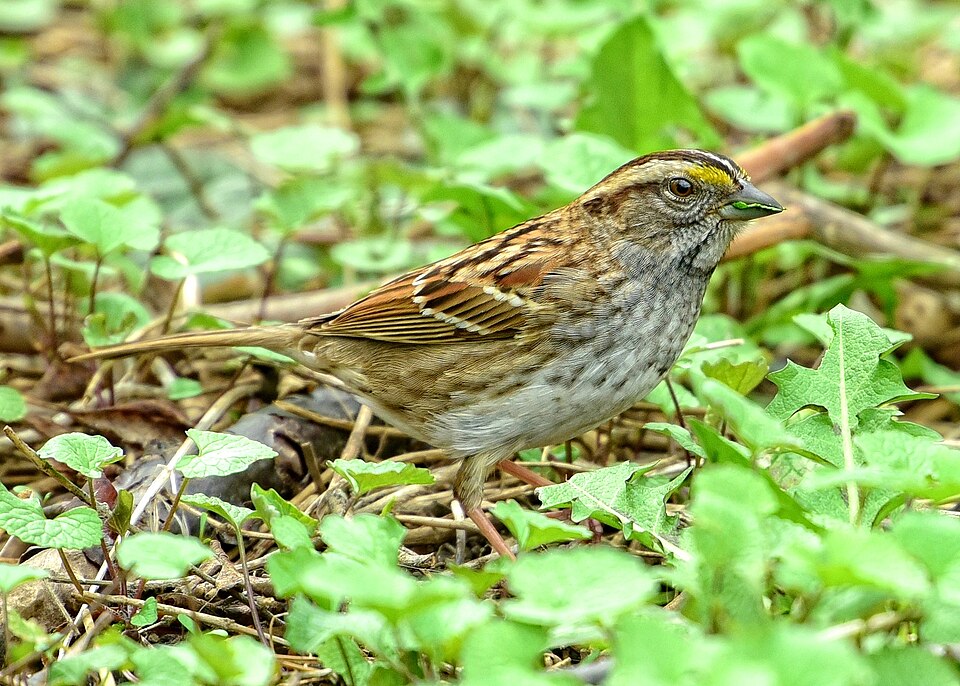 Chingolo Gorjiblanco
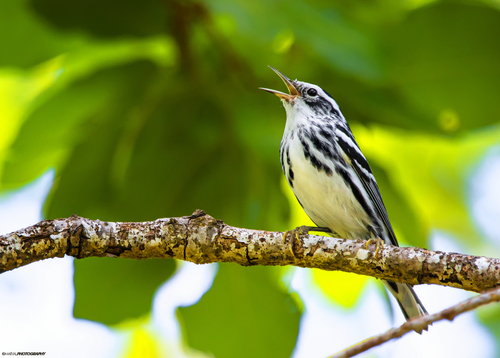 Reinita Trepadora
En breve
La marca de campo más confiable para separar al Chingolo Gorjiblanco de la Reinita Trepadora es la mancha de garganta blanca limpia del Chingolo Gorjiblanco, bordeada por franjas laterales oscuras, combinada con loretes amarillos y un pico grueso y cónico, características que nunca muestra la Reinita Trepadora. En contraste, la Reinita Trepadora está audazmente estriada de negro y blanco por todas partes, con un pico delgado y ligeramente curvado hacia abajo y sin amarillo en la cara. Las Reinita Trepadoras juveniles y hembras son más apagadas pero aún muestran un estriado extenso y carecen del patrón facial del gorjiblanco. El tamaño y la estructura también difieren: el Chingolo Gorjiblanco es más robusto y largo, mientras que la Reinita Trepadora es más pequeña, más delgada y más activa, a menudo trepando por troncos y ramas. Si ves un pájaro audazmente estriado de negro y blanco con una garganta blanca y loretes amarillos, es un gorjiblanco; si está estriado por todas partes, es delgado y se mueve como un trepador, es una reinita.
Consejos de identificación
- Mancha de garganta blanca con loretes amarillos (solo gorjiblanco): El Chingolo Gorjiblanco siempre muestra una garganta blanca brillante bordeada por franjas oscuras y un punto amarillo frente al ojo (loretes), independientemente de la edad o morfo. La Reinita Trepadora nunca muestra este patrón.
- Estriado general (solo reinita): La Reinita Trepadora está audazmente estriada de negro y blanco arriba y abajo en todos los plumajes, incluso en juveniles y hembras (aunque más apagadas). El Chingolo Gorjiblanco es mayormente liso debajo del pecho y nunca está tan fuertemente estriado en general.
- Forma del pico: El Chingolo Gorjiblanco tiene un pico grueso, cónico, de comedor de semillas; la Reinita Trepadora tiene un pico delgado, puntiagudo y ligeramente curvado hacia abajo para recoger insectos. La forma del pico a menudo es visible incluso a distancia.
- Patrón facial: El Chingolo Gorjiblanco muestra un fuerte patrón facial con un supercilio y una franja de corona blanca o marrón, loretes amarillos y auriculares contrastantes. La Reinita Trepadora tiene una ceja blanca pero carece de amarillo y tiene una cara más uniforme en blanco y negro, con machos mostrando una mejilla negra y hembras una mejilla gris.
- Barras alares: Ambas especies tienen dos barras alares blancas, pero las de la reinita están en un ala más oscura y suelen ser más contrastantes. Las alas del gorjiblanco son de color marrón rojizo con menos contraste.
- Pecho y vientre: El Chingolo Gorjiblanco tiene estrías en el pecho y los flancos pero un vientre mayormente liso de color gris claro. La Reinita Trepadora está estriada por todo el vientre.
- Plumaje juvenil/inmaduro: Las Reinita Trepadoras jóvenes son más apagadas pero aún están estriadas y nunca muestran una garganta blanca o loretes amarillos. Los Chingolos Gorjiblancos jóvenes se parecen a los adultos en el patrón facial.
- Tamaño y estructura: El Chingolo Gorjiblanco es más grande, más robusto y más redondeado, con un cuello grueso y un cuerpo robusto. La Reinita Trepadora es más pequeña, más delgada y más delicada.
- Comportamiento: Los gorjiblancos forrajean en el suelo o bajo en arbustos, moviéndose lentamente y a menudo en bandadas. Las Reinita Trepadoras trepan troncos y ramas, moviéndose rápidamente y a menudo solas o en bandadas mixtas de reinitas.
- Estilo de vuelo: El Chingolo Gorjiblanco vuela con un vuelo más pesado y directo; la Reinita Trepadora es más ligera y más aleteante.
- Hábitat: Los gorjiblancos prefieren hábitats arbustivos, de maleza o de borde de bosque; las reinitas se encuentran en bosques maduros, especialmente en troncos y ramas de árboles.
- Canto: El Chingolo Gorjiblanco canta una canción clara y silbante; la Reinita Trepadora canta una canción alta, zumbante y repetitiva. Los llamados también difieren: el gorjiblanco emite un agudo 'tseep', la reinita un alto 'tick'.
- Diferencias de sexo/edad: Ambas especies muestran cierto dimorfismo sexual, pero las marcas clave mencionadas anteriormente (garganta, loretes, estriado, pico) son confiables en todas las edades y sexos.
- Temporada: Ambas especies migran, pero el Chingolo Gorjiblanco es más probable que se encuentre en bandadas invernales arbustivas, mientras que la Reinita Trepadora se ve más a menudo sola o en grupos mixtos de reinitas durante la migración.
- Errores comunes: No confundas el patrón facial del gorjiblanco con el estriado; no confundas el estriado general de la reinita con las estrías del pecho de un gorjiblanco. La forma del pico y el comportamiento son a menudo las verificaciones más rápidas si el plumaje está oscurecido.
Tamaño
El Chingolo Gorjiblanco es significativamente más grande y pesado (masa corporal ~25 g, longitud 15–19 cm) que la Reinita Trepadora (masa 8–15 g, longitud 11–13 cm). El gorjiblanco tiene un cuerpo notablemente más robusto, un cuello más grueso y un pico más grande y cónico, mientras que la reinita es delgada, con un pico fino y puntiagudo. La envergadura también favorece al gorjiblanco (23 cm frente a 18–22 cm), pero en el campo, la robustez general y la forma del pico son más obvias que la envergadura. Un Chingolo Gorjiblanco posado se ve redondo y robusto; la Reinita Trepadora parece delicada y ágil.
Plumaje
Las Reinita Trepadoras juveniles y de primer otoño son más apagadas que los adultos pero siempre muestran algo de estriado en negro y blanco arriba y abajo, con un dorso, alas y partes inferiores estriadas, además de dos barras alares blancas. Los juveniles pueden mostrar más manchas, pero nunca la garganta blanca limpia y los loretes amarillos del Chingolo Gorjiblanco. Los machos adultos de Reinita Trepadora están audazmente estriados por todas partes, incluyendo la garganta y las mejillas (negro en machos, gris en hembras). El Chingolo Gorjiblanco, en todas las edades y morfos, muestra una garganta blanca brillante bordeada por franjas oscuras, loretes amarillos y un patrón facial contrastante (ya sea supercilio blanco o marrón y franja de corona, dependiendo del morfo). Las alas del gorjiblanco son rufas con dos barras alares blancas, pero el resto del cuerpo es mayormente gris/marrón con estrías en el pecho y los flancos, no el audaz estriado general de la reinita. Ambas especies tienen barras alares, pero las de la reinita están en un ala más oscura y suelen ser más contrastantes. Las partes inferiores del gorjiblanco son mayormente no estriadas debajo del pecho, mientras que las de la reinita están estriadas en su totalidad.
Comportamiento
El Chingolo Gorjiblanco típicamente forajea en o cerca del suelo, rasguñando en la hojarasca o posándose bajo en arbustos, a menudo en bandadas. Se mueve con un andar saltarín y es relativamente lento y deliberado. La Reinita Trepadora es muy activa, trepando por troncos y ramas de manera similar a un trepador, a menudo vista subiendo y bajando corteza, y rara vez forajeando en el suelo. Sus movimientos son rápidos, ágiles y distintivos entre las reinitas. En vuelo, el gorjiblanco es más pesado y directo, mientras que la reinita es más ligera y más aleteante.
Hábitat
El Chingolo Gorjiblanco se encuentra en bordes arbustivos, matorrales y sotobosques de bosques, especialmente durante la migración y el invierno, a menudo en bandadas mixtas con otros gorjiblancos. Cría en bosques del norte y pasa el invierno en el sur de EE. UU. La Reinita Trepadora prefiere bosques maduros, especialmente con árboles grandes, y a menudo se ve en troncos y ramas en lugar de en matorrales densos o en el suelo. Durante la migración, puede aparecer en una gama más amplia de hábitats boscosos, pero rara vez se ve en áreas abiertas o arbustivas favorecidas por los gorjiblancos.
Voz
El Chingolo Gorjiblanco tiene una canción distintiva, clara y silbante que a menudo se transcribe como 'Oh sweet Canada, Canada, Canada' o 'Old Sam Peabody, Peabody, Peabody,' y frecuentemente emite agudos llamados 'tseep'. La canción de la Reinita Trepadora es un 'wee-see, wee-see, wee-see' alto, delgado y repetitivo, y su llamado es un alto y agudo 'tick.' La canción del gorjiblanco es mucho más musical y silbante, mientras que la de la reinita es zumbante y menos melodiosa.
Chingolo Gorjiblanco · Reinita Trepadora · Mis aves difíciles