

White-throated Sparrow vs Black-and-white Warbler
Zonotrichia albicollis contro Mniotilta varia
Fai un quiz con White-throated Sparrow e Black-and-white Warbler
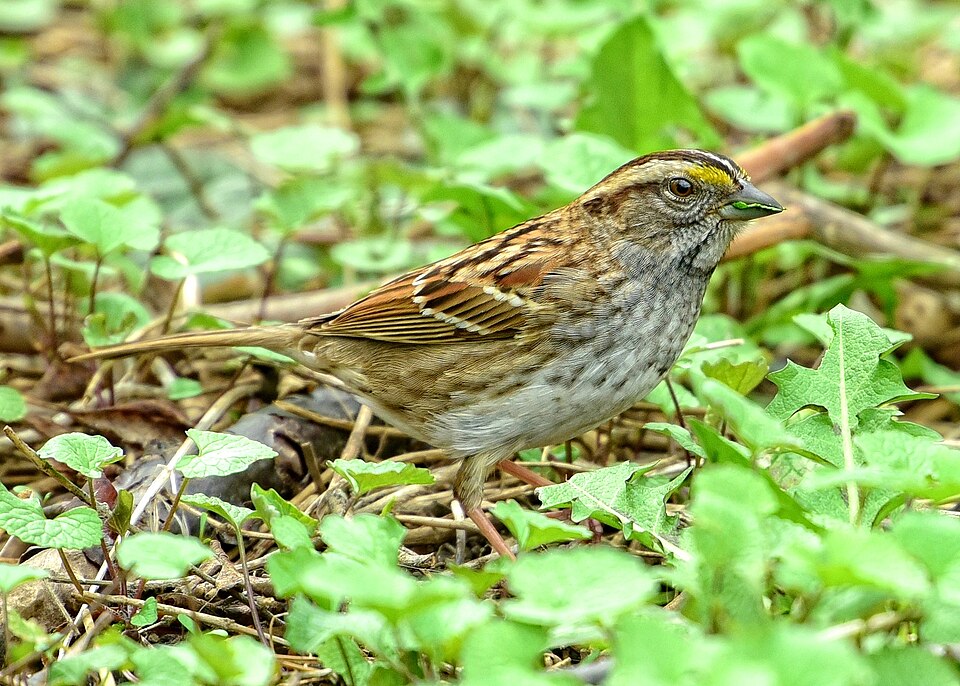 White-throated Sparrow
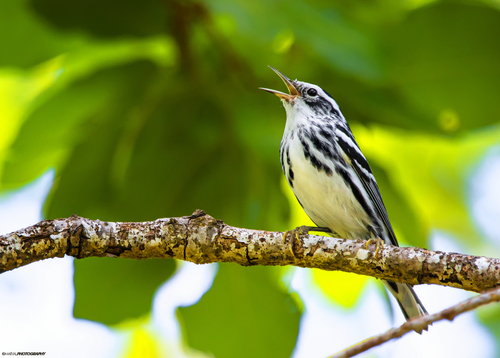 Black-and-white Warbler
In breve
Il segno di campo più affidabile per separare il Passero dal petto bianco dal Warbler bianco e nero è la macchia di gola bianca pulita del Passero dal petto bianco, bordata da strisce laterali scure, combinata con lore gialli e un becco massiccio e conico—caratteristiche mai mostrate dal Warbler bianco e nero. Al contrario, il Warbler bianco e nero è audacemente striato di bianco e nero ovunque, con un becco snello, leggermente ricurvo e senza giallo sul viso. I Warbler bianchi e neri giovani e femminili sono più opachi ma mostrano comunque ampie striature e mancano del pattern facciale del passero. Anche la dimensione e la struttura differiscono: il Passero dal petto bianco è più robusto e lungo, mentre il Warbler bianco e nero è più piccolo, snello e più attivo, spesso strisciando lungo tronchi e rami. Se vedi un uccello audacemente striato di bianco e nero con una gola bianca e lore gialli, è un passero; se è striato ovunque, snello e si muove come un picchio, è un warbler.
Consigli di identificazione
- Macchia di gola bianca con lore gialli (solo passero): Il Passero dal petto bianco mostra sempre una gola bianca brillante bordata da strisce scure e un punto giallo davanti all'occhio (lore), indipendentemente dall'età o dalla forma. Il Warbler bianco e nero non mostra mai questo pattern.
- Striature generali (solo warbler): Il Warbler bianco e nero è audacemente striato di bianco e nero sopra e sotto in tutte le livree, anche nei giovani e nelle femmine (sebbene più opachi). Il Passero dal petto bianco è per lo più semplice sotto il petto e non è mai così pesantemente striato nel complesso.
- Forma del becco: Il Passero dal petto bianco ha un becco spesso, conico, da mangiatore di semi; il Warbler bianco e nero ha un becco sottile, appuntito e leggermente ricurvo per raccogliere insetti. La forma del becco è spesso visibile anche a distanza.
- Pattern facciale: Il Passero dal petto bianco mostra un forte pattern facciale con un sopracciglio bianco o beige e una striscia coronale, lore gialli e auricolari contrastanti. Il Warbler bianco e nero ha un sopracciglio bianco ma manca di giallo e ha un viso più uniforme in bianco e nero, con i maschi che mostrano una guancia nera e le femmine una guancia grigia.
- Strisce alari: Entrambe le specie hanno due strisce alari bianche, ma quelle del warbler sono impostate in un'ala più scura e sono solitamente più contrastanti. Le ali del passero sono marrone ruggine con meno contrasto.
- Petto e ventre: Il Passero dal petto bianco ha striature sul petto e sui fianchi ma un ventre per lo più semplice di grigio chiaro. Il Warbler bianco e nero è striato lungo tutto il ventre.
- Livrea giovanile/immatura: I giovani Warbler bianchi e neri sono più opachi ma mostrano comunque striature e non mostrano mai una gola bianca o lore gialli. I giovani Passeri dal petto bianco assomigliano agli adulti nel pattern facciale.
- Dimensione e struttura: Il Passero dal petto bianco è più grande, più robusto e più rotondo, con un collo spesso e un corpo robusto. Il Warbler bianco e nero è più piccolo, più snello e più delicato.
- Comportamento: I passeri cercano cibo a terra o in basso nei cespugli, muovendosi lentamente e spesso in gruppi. I Warbler bianchi e neri scalano tronchi e rami, muovendosi rapidamente e spesso da soli o in gruppi misti di warbler.
- Stile di volo: Il Passero dal petto bianco vola con un volo più pesante e diretto; il Warbler bianco e nero è più leggero e più fluttuante.
- Habitat: I passeri favoriscono habitat cespugliosi, infestati da erbacce o ai margini delle foreste; i warbler si trovano in boschi maturi, specialmente sui tronchi e rami degli alberi.
- Canto: Il Passero dal petto bianco canta un canto chiaro e fischiato; il Warbler bianco e nero canta un canto alto, ronzante e ripetitivo. Anche i richiami differiscono: il passero emette un 'tseep' acuto, il warbler un 'tick' alto.
- Differenze di sesso/età: Entrambe le specie mostrano un certo dimorfismo sessuale, ma i segni chiave sopra (gola, lore, striature, becco) sono affidabili in tutte le età e sessi.
- Stagione: Entrambe le specie migrano, ma il Passero dal petto bianco è più probabile che si trovi in gruppi invernali cespugliosi, mentre il Warbler bianco e nero è più spesso visto singolarmente o in gruppi misti di warbler durante la migrazione.
- Trappole comuni: Non confondere il pattern facciale del passero con le striature; non scambiare le striature generali del warbler con le striature del petto di un passero. La forma del becco e il comportamento sono spesso i controlli più rapidi se la livrea è oscurata.
Taglia
Il Passero dal petto bianco è significativamente più grande e pesante (massa corporea ~25 g, lunghezza 15–19 cm) rispetto al Warbler bianco e nero (massa 8–15 g, lunghezza 11–13 cm). Il passero ha un corpo visibilmente più massiccio, un collo più spesso e un becco più grande e conico, mentre il warbler è snello, con un becco fine e appuntito. L'apertura alare favorisce anche il passero (23 cm contro 18–22 cm), ma sul campo, la massa complessiva e la forma del becco sono più evidenti rispetto all'apertura alare. Un Passero dal petto bianco in posizione perpendicolare appare rotondo e robusto; il Warbler bianco e nero appare delicato e agile.
Piumaggio
I Warbler bianchi e neri giovani e di prima caduta sono più opachi degli adulti ma mostrano sempre alcune striature bianche e nere sopra e sotto, con un dorso, ali e parti inferiori striate, più due strisce alari bianche. I giovani possono mostrare più macchie, ma mai la gola bianca pulita e i lore gialli del Passero dal petto bianco. I Warbler bianchi e neri maschi adulti sono audacemente striati ovunque, compresa la gola e le guance (nere nei maschi, grigie nelle femmine). Il Passero dal petto bianco, in tutte le età e forme, mostra una gola bianca brillante bordata da strisce scure, lore gialli e un pattern facciale contrastante (sopracciglio bianco o beige e striscia coronale, a seconda della forma). Le ali del passero sono ruggine con due strisce alari bianche, ma il resto del corpo è per lo più grigio/beige con striature sul petto e sui fianchi, non le audaci striature generali del warbler. Entrambe le specie hanno strisce alari, ma quelle del warbler sono impostate in un'ala più scura e sono solitamente più contrastanti. Le parti inferiori del passero sono per lo più non striate sotto il petto, mentre quelle del warbler sono striate in tutto.
Comportamento
Il Passero dal petto bianco cerca tipicamente cibo a terra o vicino al suolo, grattando nella lettiera di foglie o posandosi in basso tra i cespugli, spesso in gruppi. Si muove con un passo saltellante ed è relativamente lento e deliberato. Il Warbler bianco e nero è altamente attivo, strisciando lungo tronchi e rami in modo simile a un picchio, spesso visto arrampicarsi su e giù per la corteccia, e raramente cerca cibo a terra. I suoi movimenti sono rapidi, agili e distintivi tra i warbler. In volo, il passero è più pesante e diretto, mentre il warbler è più leggero e più fluttuante.
Habitat
Il Passero dal petto bianco si trova ai margini cespugliosi, nei cespugli e nel sottobosco forestale, specialmente durante la migrazione e l'inverno, spesso in gruppi misti con altri passeri. Si riproduce nelle foreste settentrionali e sverna nel sud degli Stati Uniti. Il Warbler bianco e nero preferisce le foreste mature, specialmente con alberi grandi, ed è spesso visto su tronchi e rami piuttosto che in cespugli densi o a terra. Durante la migrazione, può apparire in una gamma più ampia di habitat boschivi ma è raramente visto in aree aperte o cespugliose preferite dai passeri.
Voce
Il Passero dal petto bianco ha un canto distintivo, chiaro e fischiato, spesso trascritto come 'Oh sweet Canada, Canada, Canada' o 'Old Sam Peabody, Peabody, Peabody,' e frequentemente emette richiami acuti 'tseep'. Il canto del Warbler bianco e nero è un 'wee-see, wee-see, wee-see' alto, sottile e ripetitivo, e il suo richiamo è un 'tick' alto e acuto. Il canto del passero è molto più musicale e fischiato, mentre quello del warbler è ronzante e meno melodioso.
White-throated Sparrow · Black-and-white Warbler · I miei uccelli difficili