

white-browed shrike-babbler vs white-bellied erpornis
Pteruthius aeralatus versus Erpornis zantholeuca
Jogue um quiz com white-browed shrike-babbler e white-bellied erpornis
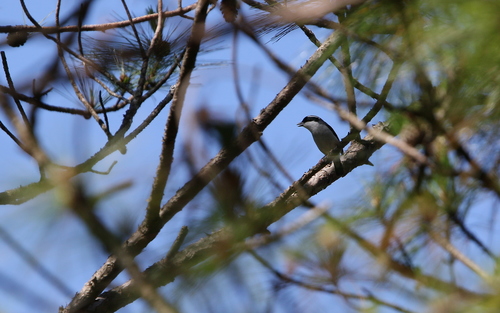 white-browed shrike-babbler
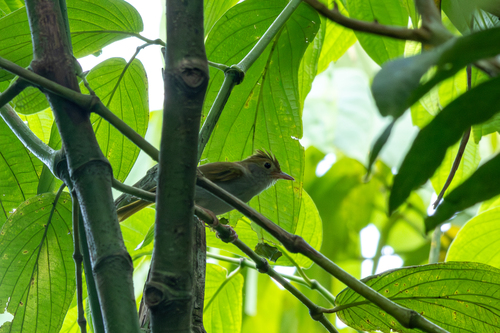 white-bellied erpornis
Em resumo
A marca de campo mais confiável para separar o white-browed shrike-babbler do white-bellied erpornis é o forte dimorfismo sexual e as tertiais rufas-fulvas variáveis nos machos de shrike-babblers (exceto a subespécie validirostris), em comparação com as partes superiores uniformes, oliváceas ou marrom-douradas e a crista proeminente do erpornis. Os shrike-babblers têm corpo muito mais pesado, com uma construção mais robusta e bico mais pesado, enquanto o erpornis é notavelmente menor, mais esbelto e tem uma cabeça distinta com crista. No campo, os shrike-babblers podem mostrar variação complexa de plumagem por sexo e subespécie, enquanto o erpornis é mais uniforme, com partes inferiores brancas e sem diferenças sexuais marcantes. Ambas as espécies podem ocorrer em florestas montanas semelhantes, mas sua estrutura e comportamento são bastante diferentes.
Dicas de identificação
- Verifique se há crista: O white-bellied erpornis sempre apresenta uma crista proeminente, dando à cabeça uma aparência pontiaguda; o white-browed shrike-babbler nunca tem crista, e sua cabeça é suavemente arredondada.
- Procure por tertiais rufas-fulvas (machos): Machos de shrike-babblers (exceto validirostris) apresentam tertiais que são parcialmente rufas e parcialmente fulvas, uma marca única que não está presente no erpornis. Isso é mais visível quando empoleirados ou em boas vistas de voo.
- Avalie o dimorfismo sexual: Os shrike-babblers são fortemente dimórficos sexualmente, com machos e fêmeas diferindo na plumagem. O erpornis apresenta pouco ou nenhum dimorfismo sexual—ambos os sexos são semelhantes.
- Observe o tamanho e a construção geral: O shrike-babbler é muito mais robusto e pesado, com um corpo grosso e bico grande e curvado. O erpornis é pequeno, esbelto e delicado, com um bico fino e reto.
- Verifique as partes inferiores: O erpornis sempre tem partes inferiores brancas limpas, contrastando com as partes superiores oliváceas ou marrom-douradas. A plumagem do shrike-babbler varia, mas as partes inferiores não são tão brancas e podem mostrar mais padrões ou variações de cor.
- Observe o padrão da cabeça: O shrike-babbler frequentemente tem uma sobrancelha branca forte e marcas de cabeça mais complexas, enquanto o erpornis tem um rosto mais simples, dominado pela crista e coloração uniforme.
- Observe o comportamento: O erpornis é muito ativo, acrobático, e frequentemente forrageia puxando cascas ou pendurado de cabeça para baixo. O shrike-babbler é mais deliberado, empoleirando-se ereto e se movendo com menos energia.
- Forma do bico: O shrike-babbler tem um bico mais pesado e curvado, adequado para insectivoria e alguma frugivoria; o erpornis tem um bico mais fino e reto, mas com musculatura forte para abrir.
- Variação de plumagem: O shrike-babbler mostra considerável variação em sua distribuição e entre os sexos, então fique atento a formas locais. O erpornis é muito mais consistente em aparência.
- Estilo de voo: O erpornis se move rapidamente e com agilidade entre os galhos, frequentemente em bandos mistos. O shrike-babbler é menos propenso a se juntar a bandos e se move com voos mais lentos e diretos.
- Sobreposição de habitat: Ambas as espécies podem ser encontradas nos mesmos tipos de floresta, então não confie apenas no habitat para identificação.
- Confusão juvenil/imatura: Não há descrições detalhadas disponíveis, mas a falta de crista no shrike-babbler e a ausência de tertiais rufas-fulvas no erpornis devem ajudar mesmo em aves jovens.
- Voz: Não descrita nas notas, então não confie em vocalizações para separação neste contexto.
- Confusão de subespécies: Algumas subespécies de shrike-babbler são menos distintas; nesses casos, a estrutura, tamanho e a ausência de crista permanecem confiáveis.
- Bandos mistos: Se a ave estiver se movendo com um bando de pequenos insectívoros acrobáticos, o erpornis é mais provável; uma ave solitária e robusta é mais provavelmente um shrike-babbler.
Tamanho
O white-browed shrike-babbler é substancialmente maior e mais pesado (36,0g) do que o white-bellied erpornis (11,2g) [wikidata]. O shrike-babbler tem um corpo muito mais volumoso e robusto, e um bico mais pesado e curvado, dando-lhe uma aparência robusta, quase semelhante a um shrike. Em contraste, o erpornis é pequeno, esbelto e mais delicado em geral, com um bico mais leve e fino e uma aparência mais ágil, semelhante a um vireo. A diferença de tamanho é frequentemente óbvia quando vistos lado a lado ou com experiência, mas pode ser mais difícil de julgar isoladamente ou à distância.
Plumagem
As plumagens juvenis e imaturas não são descritas em detalhes para nenhuma das espécies, mas o macho adulto do white-browed shrike-babbler (exceto para a subespécie validirostris) é distinto por ter tertiais que são parcialmente rufas e parcialmente fulvas—uma marca que não está presente no erpornis em nenhuma idade ou sexo [wikipedia]. O shrike-babbler é dimórfico sexualmente, com machos e fêmeas diferindo na plumagem, e há considerável variação entre subespécies, tornando alguns indivíduos difíceis de classificar. Em contraste, o white-bellied erpornis é muito mais uniforme: ambos os sexos têm uma crista proeminente, partes superiores oliváceas ou marrom-douradas, e partes inferiores brancas limpas. O erpornis não apresenta tons rufos ou fulvos nas asas ou tertiais e não mostra dimorfismo sexual forte. O shrike-babbler pode às vezes ser confundido com o erpornis devido à coloração geral, mas o shrike-babbler nunca mostra crista, e seu padrão de cabeça e coloração das asas são mais complexos e variáveis.
Comportamento
O white-bellied erpornis é acrobático e frequentemente se comporta como um vireo, movendo-se agilmente pela folhagem, às vezes pendurado de cabeça para baixo ou puxando cascas com seus fortes músculos do bico. Ele frequentemente se junta a bandos de espécies mistas e é muito ativo. O white-browed shrike-babbler é mais deliberado, empoleirando-se ereto no sub-bosque ou na copa, e frequentemente fica parado por períodos mais longos. Sua construção mais pesada e movimentos menos acrobáticos contrastam com as ações vivas e ágeis do erpornis. Os shrike-babblers também podem parecer mais solitários ou em pares, enquanto o erpornis é mais provável de ser visto em pequenos grupos ou bandos.
Habitat
Ambas as espécies podem ser encontradas em florestas montanas no Sudeste Asiático e nos Himalaias orientais, com faixas sobrepostas em muitas regiões [wikipedia]. O habitat sozinho não é um separador confiável, embora os shrike-babblers possam estar mais associados a florestas densas e maduras e o erpornis possa ser encontrado em uma gama mais ampla de habitats florestais, incluindo bordas de florestas e crescimento secundário. No entanto, ambas são principalmente aves florestais e frequentemente ocorrem juntas, então o contexto é apenas fracamente diagnóstico.
white-browed shrike-babbler · white-bellied erpornis · Minhas aves difíceis