

Motmot

White-browed Shrike-Babbler 対 アオチメドリ

Pteruthius aeralatus 対 Erpornis zantholeuca

White-browed Shrike-Babblerとアオチメドリのクイズ
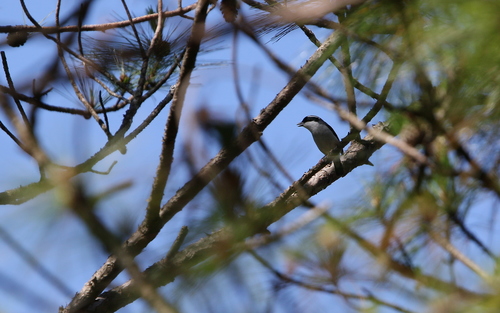
White-browed Shrike-Babbler (Pteruthius aeralatus) White-browed Shrike-Babbler
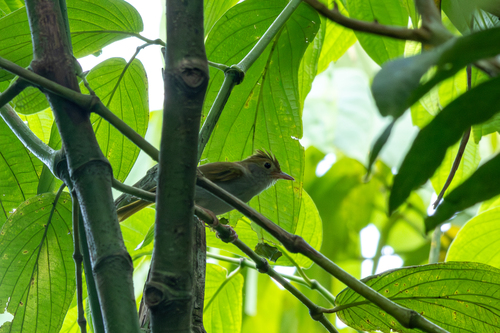
アオチメドリ (Erpornis zantholeuca) アオチメドリ

メディア

読み込み中…

要点

ホワイトボロシュライクバブラーとアオチメドリを区別する最も信頼できるフィールドマークは、オスのシュライクバブラーに見られる強い性差と変動する赤褐色-黄褐色のテール羽(亜種validirostrisを除く)であり、対してアオチメドリは均一なオリーブ色または金褐色の上面と目立つ冠を持っています。シュライクバブラーは体重がずっしりとしており、がっしりとした体型と重いくちばしを持つ一方、アオチメドリは著しく小さく、より細身で、特徴的な冠のある頭を持っています。フィールドでは、シュライクバブラーは性別や亜種による複雑な羽毛の変異を示すことがありますが、アオチメドリはより均一で、白い腹部と強い性差がありません。両種は似たような山地の森林に生息することがありますが、その構造と行動はかなり異なります。

識別のコツ

  1. Check for a crest: アオチメドリは常に目立つ冠を示し、頭に尖った外観を与えます; ホワイトボロシュライクバブラーは決して冠を持たず、頭は滑らかに丸みを帯びています。
  2. Look for rufous-fulvous tertials (males): オスのシュライクバブラー(validirostrisを除く)は、部分的に赤褐色で部分的に黄褐色のテール羽を示し、これはアオチメドリには見られない独特のマークです。これは、止まっているときや良好な飛行視点で最も目立ちます。
  3. Assess sexual dimorphism: シュライクバブラーは強い性差を持ち、オスとメスで羽毛が異なります。アオチメドリはほとんど性差を示さず、両性は似ています。
  4. Note overall size and build: シュライクバブラーはずっしりとして重く、がっしりとした体と大きくフック状のくちばしを持っています。アオチメドリは小さく、細身で繊細で、薄くまっすぐなくちばしを持っています。
  5. Check underparts: アオチメドリは常に清潔な白い腹部を持ち、オリーブ色または金褐色の上面と対照的です。シュライクバブラーの羽毛は変動しますが、腹部はそれほど白くなく、より多くのパターンや色の変異を示すことがあります。
  6. Observe head pattern: シュライクバブラーはしばしば強い白い眉とより複雑な頭の模様を持ちますが、アオチメドリは冠と単純な色合いが支配するよりシンプルな顔を持っています。
  7. Watch behavior: アオチメドリは非常に活発でアクロバティックであり、しばしば樹皮をこじ開けたり、逆さまになったりして餌を探します。シュライクバブラーはより慎重で、直立して止まり、あまりエネルギッシュに動きません。
  8. Bill shape: シュライクバブラーは昆虫食や一部の果実食に適した重くフック状のくちばしを持っています; アオチメドリはより細くまっすぐなくちばしを持っていますが、開口のための強い筋肉を備えています。
  9. Plumage variation: シュライクバブラーはその範囲や性別によってかなりの変異を示すため、地域の形態に注意が必要です。アオチメドリは外観がはるかに一貫しています。
  10. Flight style: アオチメドリは枝の間を素早く敏捷に移動し、しばしば混合群れの中で見られます。シュライクバブラーは群れに加わる可能性が低く、より遅く、より直接的な飛行をします。
  11. Habitat overlap: 両種は同じ森林タイプで見られることがあるため、識別のために生息地だけに頼らないでください。
  12. Juvenile/immature confusion: 詳細な説明は利用できませんが、シュライクバブラーの冠の欠如とアオチメドリの赤褐色-黄褐色のテール羽の欠如は、若い鳥でも役立つはずです。
  13. Voice: ノートには記載されていないため、この文脈での分離のために声に頼らないでください。
  14. Subspecies confusion: 一部のシュライクバブラーの亜種はあまり特徴的ではありません; この場合、構造、サイズ、冠の欠如が信頼できるままです。
  15. Mixed flocks: 鳥が小さくアクロバティックな昆虫食の群れと一緒に移動している場合、アオチメドリの可能性が高いです; 孤立したずっしりとした鳥はシュライクバブラーの可能性が高いです。

大きさ

ホワイトボロシュライクバブラーはアオチメドリ(11.2g)よりもかなり大きく重い(36.0g)です [wikidata]。シュライクバブラーはずっしりとした、より頑丈な体を持ち、重くフック状のくちばしを持っており、ずんぐりとした、ほぼシュライクのような外観を与えています。対照的に、アオチメドリは全体的に小さく、細身で、より繊細で、軽く薄いくちばしとより敏捷な、ビレオのような印象を持っています。サイズの違いは、並んで見たり経験があるときにはしばしば明らかですが、孤立している場合や遠くから見ると判断が難しいことがあります。

羽色

幼鳥や未熟な羽毛はどちらの種についても詳細には記載されていませんが、オスのホワイトボロシュライクバブラー(亜種validirostrisを除く)は、部分的に赤褐色で部分的に黄褐色のテール羽を持つことで特徴的であり、これはアオチメドリには年齢や性別に関係なく見られないマークです [wikipedia]。シュライクバブラーは性差があり、オスとメスで羽毛が異なり、亜種間でかなりの変異があるため、一部の個体は分類が難しいです。対照的に、アオチメドリははるかに均一であり、両性ともに目立つ冠、オリーブ色または金褐色の上面、清潔な白い腹部を持っています。アオチメドリは翼やテール羽に赤褐色や黄褐色の色調を持たず、強い性差を示しません。シュライクバブラーは全体的な色合いからアオチメドリと混同されることがありますが、シュライクバブラーは決して冠を示さず、その頭の模様や翼の色はより複雑で変動します。

行動

アオチメドリはアクロバティックで、しばしばビレオのように振る舞い、葉の間を敏捷に移動し、時には逆さまになったり、強いくちばしの筋肉で樹皮をこじ開けたりします。しばしば混合種の群れに参加し、非常に活発です。ホワイトボロシュライクバブラーはより慎重で、中層や樹冠に直立して止まり、長い時間静止していることが多いです。その重い体型とアクロバティックな動きの少なさは、アオチメドリの活発で敏捷な動作と対照的です。シュライクバブラーはより孤立しているかペアで見られることが多い一方、アオチメドリは小さな群れやフロックで見られる可能性が高いです。

生息環境

両種は東南アジアと東ヒマラヤの山地の森林に見られ、多くの地域で生息域が重なっています [wikipedia]。生息地だけでは信頼できる区別にはならないが、シュライクバブラーは密で成熟した森林により密接に関連している可能性があり、アオチメドリは森林の縁や二次成長を含むより広い範囲の森林生息地に見られることがあります。しかし、両者は主に森林の鳥であり、しばしば一緒に見られるため、文脈はあまり診断的ではありません。

より良い説明を送る

比較と同じ項目を使ってください。文章はすぐに公開されます。

The most reliable field mark to separate White-browed Shrike-Babbler from White-bellied Erpornis is the strong sexual dimorphism and variable rufous-fulvous tertials in male shrike-babblers (except subspecies validirostris), versus the uniform, olivaceous or golden-brown upperparts and prominent crest of the erpornis. Shrike-babblers are much heavier-bodied, with a chunkier build and heavier bill, while erpornis is notably smaller, more slender, and has a distinctive crested head. In the field, shrike-babblers may show complex plumage variation by sex and subspecies, while erpornis is more uniform, with white underparts and no strong sexual differences. Both species can occur in similar montane forests, but their structure and behavior are quite different.

  1. Check for a crest: White-bellied Erpornis always shows a prominent crest, giving the head a peaked appearance; White-browed Shrike-Babbler never has a crest, and its head is smoothly rounded.
  2. Look for rufous-fulvous tertials (males): Male shrike-babblers (except validirostris) show tertials that are partly rufous and partly fulvous, a unique mark not present in erpornis. This is most visible when perched or in good flight views.
  3. Assess sexual dimorphism: Shrike-babblers are strongly sexually dimorphic, with males and females differing in plumage. Erpornis shows little to no sexual dimorphism—both sexes look alike.
  4. Note overall size and build: Shrike-babbler is much bulkier and heavier, with a thickset body and large, hooked bill. Erpornis is small, slim, and delicate, with a thin, straight bill.
  5. Check underparts: Erpornis always has clean white underparts, contrasting with the olivaceous or golden-brown upperparts. Shrike-babbler plumage varies, but underparts are not as crisply white and may show more pattern or color variation.
  6. Observe head pattern: Shrike-babbler often has a strong white brow and more complex head markings, while erpornis has a simpler face, dominated by the crest and plain coloration.
  7. Watch behavior: Erpornis is very active, acrobatic, and often forages by prying bark or hanging upside down. Shrike-babbler is more deliberate, perching upright and moving less energetically.
  8. Bill shape: Shrike-babbler has a heavier, hooked bill suited for insectivory and some frugivory; erpornis has a finer, straight bill, but with strong musculature for gaping.
  9. Plumage variation: Shrike-babbler shows considerable variation across its range and between sexes, so beware of local forms. Erpornis is much more consistent in appearance.
  10. Flight style: Erpornis moves quickly and nimbly between branches, often in mixed flocks. Shrike-babbler is less likely to join flocks and moves with slower, more direct flights.
  11. Habitat overlap: Both species can be found in the same forest types, so do not rely on habitat alone for identification.
  12. Juvenile/immature confusion: No detailed descriptions are available, but the lack of crest in shrike-babbler and the absence of rufous-fulvous tertials in erpornis should help even in young birds.
  13. Voice: Not described in the notes, so do not rely on vocalizations for separation in this context.
  14. Subspecies confusion: Some shrike-babbler subspecies are less distinctive; in these cases, structure, size, and the absence of a crest remain reliable.
  15. Mixed flocks: If the bird is moving with a flock of small, acrobatic insectivores, erpornis is more likely; a solitary, chunky bird is more likely a shrike-babbler.

White-browed Shrike-Babbler is substantially larger and heavier (36.0g) than White-bellied Erpornis (11.2g) [wikidata]. The shrike-babbler has a much bulkier, more robust body, and a heavier, hooked bill, giving it a stocky, almost shrike-like appearance. In contrast, erpornis is small, slim, and more delicate overall, with a lighter, thinner bill and a more agile, vireo-like jizz. The size difference is often obvious when seen side by side or with experience, but can be harder to judge in isolation or at a distance.

Juvenile and immature plumages are not described in detail for either species, but the adult male White-browed Shrike-Babbler (except for subspecies validirostris) is distinctive for having tertials that are partly rufous and partly fulvous—a mark not present in erpornis at any age or sex [wikipedia]. The shrike-babbler is sexually dimorphic, with males and females differing in plumage, and there is considerable variation among subspecies, making some individuals tricky to assign. In contrast, White-bellied Erpornis is much more uniform: both sexes have a prominent crest, olivaceous or golden-brown upperparts, and clean white underparts. The erpornis lacks any rufous or fulvous tones on the wings or tertials and does not show strong sexual dimorphism. The shrike-babbler may sometimes be confused with erpornis due to overall coloration, but the shrike-babbler never shows a crest, and its head patterning and wing coloration are more complex and variable.

White-bellied Erpornis is acrobatic and often behaves like a vireo, moving nimbly through foliage, sometimes hanging upside down or prying bark with its strong bill muscles. It often joins mixed-species flocks and is very active. White-browed Shrike-Babbler is more deliberate, perching upright in the mid-story or canopy, and often sits still for longer periods. Its heavier build and less acrobatic movements contrast with the lively, agile actions of erpornis. Shrike-babblers may also appear more solitary or in pairs, while erpornis is more likely to be seen in small groups or flocks.

Both species can be found in montane forests across Southeast Asia and the eastern Himalayas, with overlapping ranges in many regions [wikipedia]. Habitat alone is not a reliable separator, though shrike-babblers may be more closely associated with dense, mature forest and erpornis can be found in a wider range of wooded habitats, including forest edges and secondary growth. However, both are primarily forest birds and often occur together, so context is only weakly diagnostic.

変更を破棄しますか?

保存していない編集があります。今離れると失われます。

White-browed Shrike-Babbler · アオチメドリ · 苦手な鳥