

White-browed Shrike-Babbler vs White-bellied Erpornis
Pteruthius aeralatus contro Erpornis zantholeuca
Fai un quiz con White-browed Shrike-Babbler e White-bellied Erpornis
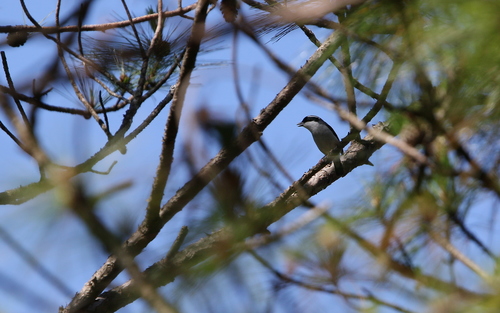 White-browed Shrike-Babbler
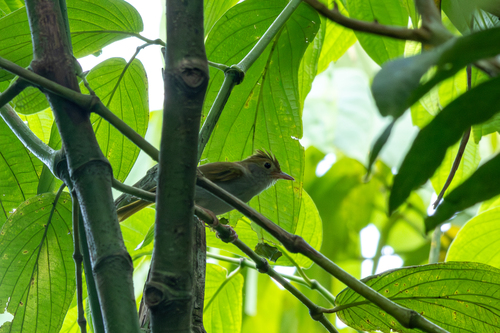 White-bellied Erpornis
In breve
Il segno di campo più affidabile per separare il White-browed Shrike-Babbler dal White-bellied Erpornis è il forte dimorfismo sessuale e le terziali rufous-fulvous variabili nei maschi di shrike-babbler (eccetto la sottospecie validirostris), rispetto alla parte superiore uniforme, olivacea o marrone dorato e alla cresta prominente dell'erpornis. Gli shrike-babbler hanno un corpo molto più pesante, con una struttura più robusta e un becco più pesante, mentre l'erpornis è notevolmente più piccolo, più snodato e ha una testa crestata distintiva. Sul campo, gli shrike-babbler possono mostrare una variazione complessa del piumaggio per sesso e sottospecie, mentre l'erpornis è più uniforme, con parti inferiori bianche e senza forti differenze sessuali. Entrambe le specie possono verificarsi in foreste montane simili, ma la loro struttura e comportamento sono piuttosto diversi.
Consigli di identificazione
- Controlla la cresta: Il White-bellied Erpornis mostra sempre una cresta prominente, dando alla testa un aspetto appuntito; il White-browed Shrike-Babbler non ha mai una cresta e la sua testa è arrotondata.
- Cerca le terziali rufous-fulvous (maschi): I maschi di shrike-babbler (eccetto validirostris) mostrano terziali che sono parzialmente rufous e parzialmente fulvous, un segno unico non presente nell'erpornis. Questo è più visibile quando sono posati o in buone viste in volo.
- Valuta il dimorfismo sessuale: Gli shrike-babbler sono fortemente dimorfici sessualmente, con maschi e femmine che differiscono nel piumaggio. L'erpornis mostra poco o nessun dimorfismo sessuale: entrambi i sessi si somigliano.
- Nota la dimensione e la struttura complessive: Lo shrike-babbler è molto più robusto e pesante, con un corpo massiccio e un grande becco ricurvo. L'erpornis è piccolo, snodato e delicato, con un becco sottile e dritto.
- Controlla le parti inferiori: L'erpornis ha sempre parti inferiori bianche pulite, in contrasto con la parte superiore olivacea o marrone dorato. Il piumaggio dello shrike-babbler varia, ma le parti inferiori non sono così bianche e possono mostrare più variazione di pattern o colore.
- Osserva il pattern della testa: Lo shrike-babbler ha spesso una forte sopracciglia bianca e marcature della testa più complesse, mentre l'erpornis ha un volto più semplice, dominato dalla cresta e da una colorazione uniforme.
- Osserva il comportamento: L'erpornis è molto attivo, acrobatico e spesso cerca cibo sollevando la corteccia o appendendosi a testa in giù. Lo shrike-babbler è più deliberato, posandosi eretto e muovendosi meno energicamente.
- Forma del becco: Lo shrike-babbler ha un becco più pesante e ricurvo adatto per l'insettivoria e qualche frugivoria; l'erpornis ha un becco più fine e dritto, ma con una muscolatura forte per aprire.
- Variazione del piumaggio: Lo shrike-babbler mostra una considerevole variazione nel suo areale e tra i sessi, quindi fai attenzione alle forme locali. L'erpornis è molto più coerente nell'aspetto.
- Stile di volo: L'erpornis si muove rapidamente e agilmente tra i rami, spesso in stormi misti. Lo shrike-babbler è meno propenso a unirsi a stormi e si muove con voli più lenti e diretti.
- Sovrapposizione dell'habitat: Entrambe le specie possono essere trovate negli stessi tipi di foresta, quindi non fare affidamento solo sull'habitat per l'identificazione.
- Confusione giovanile/immatura: Non sono disponibili descrizioni dettagliate, ma la mancanza di cresta nello shrike-babbler e l'assenza di terziali rufous-fulvous nell'erpornis dovrebbero aiutare anche nei giovani uccelli.
- Voce: Non descritta nelle note, quindi non fare affidamento sulle vocalizzazioni per la separazione in questo contesto.
- Confusione delle sottospecie: Alcune sottospecie di shrike-babbler sono meno distintive; in questi casi, la struttura, la dimensione e l'assenza di una cresta rimangono affidabili.
- Stormi misti: Se l'uccello si muove con uno stormo di piccoli insettivori acrobatici, è più probabile che sia un erpornis; un uccello solitario e massiccio è più probabilmente uno shrike-babbler.
Taglia
Il White-browed Shrike-Babbler è sostanzialmente più grande e pesante (36.0g) rispetto al White-bellied Erpornis (11.2g) [wikidata]. Lo shrike-babbler ha un corpo molto più massiccio e robusto, e un becco più pesante e ricurvo, che gli conferisce un aspetto tozzo, quasi simile a uno shrike. Al contrario, l'erpornis è piccolo, snodato e più delicato nel complesso, con un becco più leggero e sottile e un aspetto più agile, simile a un vireo. La differenza di dimensione è spesso evidente quando visti fianco a fianco o con esperienza, ma può essere più difficile da giudicare in isolamento o a distanza.
Piumaggio
I piumaggi giovanili e immaturi non sono descritti in dettaglio per nessuna delle due specie, ma il maschio adulto di White-browed Shrike-Babbler (eccetto per la sottospecie validirostris) è distintivo per avere terziali che sono parzialmente rufous e parzialmente fulvous—un segno non presente nell'erpornis a qualsiasi età o sesso [wikipedia]. Lo shrike-babbler è sessualmente dimorfico, con maschi e femmine che differiscono nel piumaggio, e c'è una considerevole variazione tra le sottospecie, rendendo alcuni individui difficili da assegnare. Al contrario, il White-bellied Erpornis è molto più uniforme: entrambi i sessi hanno una cresta prominente, parti superiori olivacee o marrone dorato e parti inferiori bianche pulite. L'erpornis non presenta toni rufous o fulvous sulle ali o sulle terziali e non mostra un forte dimorfismo sessuale. Lo shrike-babbler può a volte essere confuso con l'erpornis a causa della colorazione complessiva, ma lo shrike-babbler non mostra mai una cresta, e il suo pattern della testa e la colorazione delle ali sono più complessi e variabili.
Comportamento
Il White-bellied Erpornis è acrobatico e spesso si comporta come un vireo, muovendosi agilmente attraverso il fogliame, a volte appendendosi a testa in giù o sollevando la corteccia con i suoi forti muscoli del becco. Spesso si unisce a stormi di specie miste ed è molto attivo. Il White-browed Shrike-Babbler è più deliberato, posandosi eretto nel sottobosco o nella chioma, e spesso rimane fermo per periodi più lunghi. La sua struttura più pesante e i movimenti meno acrobatici contrastano con le azioni vivaci e agili dell'erpornis. Gli shrike-babbler possono anche apparire più solitari o in coppie, mentre l'erpornis è più probabile che venga visto in piccoli gruppi o stormi.
Habitat
Entrambe le specie possono essere trovate in foreste montane in tutta l'Asia sudorientale e negli Himalaya orientali, con aree sovrapposte in molte regioni [wikipedia]. L'habitat da solo non è un separatore affidabile, anche se gli shrike-babbler possono essere più strettamente associati a foreste dense e mature e l'erpornis può essere trovato in una gamma più ampia di habitat boschivi, comprese le margini delle foreste e la crescita secondaria. Tuttavia, entrambe sono principalmente uccelli di foresta e spesso si verificano insieme, quindi il contesto è solo debolmente diagnostico.
White-browed Shrike-Babbler · White-bellied Erpornis · I miei uccelli difficili