

gaivina-dos-pauis vs trinta-réis-de-bando
Chlidonias hybrida versus Thalasseus sandvicensis
Jogue um quiz com gaivina-dos-pauis e trinta-réis-de-bando
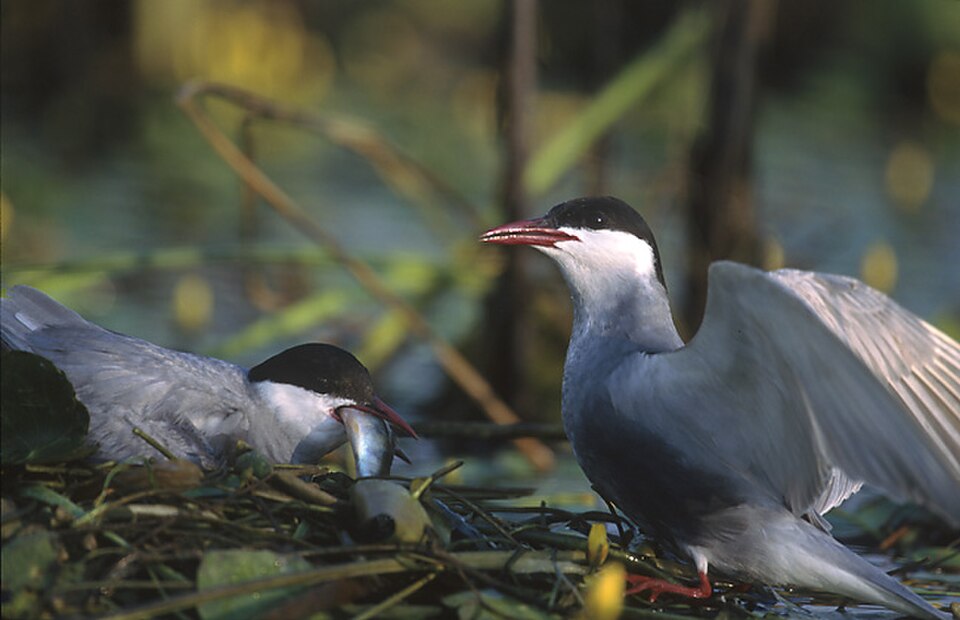 gaivina-dos-pauis
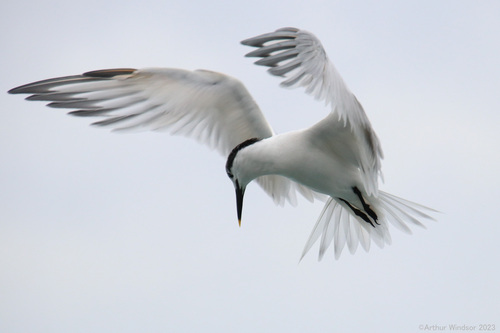 trinta-réis-de-bando
Em resumo
As gaivinas-dos-pauis juvenis e de primeiro inverno apresentam um dorso ruivo ou escamoso e escápulas marrons escuras com bordas amplas e claras, enquanto as trinta-réis-de-bando juvenis têm um padrão escamoso, mas também mostram uma cauda com ponta escura e um bico totalmente negro. Em todas as plumagens, a trinta-réis-de-bando é muito maior, com um bico longo e fino, preto na ponta amarela, pernas pretas e uma aparência muito pálida e prateada em voo. A gaivina-dos-pauis é menor, com um bico vermelho mais curto (reprodução), pernas vermelhas e um corpo cinza mais escuro e uniforme na plumagem de reprodução. A cauda da gaivina-dos-pauis é curta e levemente bifurcada, enquanto a da trinta-réis-de-bando é mais longa e mais profundamente bifurcada. Quando empoleiradas, a cor do bico e das pernas são fundamentais; em voo, observe a escuridão geral e a estrutura.
Dicas de identificação
- Tamanho: A trinta-réis-de-bando é muito maior e mais pesada que a gaivina-dos-pauis; use comparação direta com gaivotas ou trintas próximas, se possível. (Todas as idades)
- Cor e forma do bico: A gaivina-dos-pauis tem um bico vermelho forte e atarracado na plumagem de reprodução (mais curto e atarracado nas fêmeas), enquanto a trinta-réis-de-bando tem um bico longo e fino, preto com ponta amarela (adultos) ou totalmente negro (juvenis). (Todas as idades, mas especialmente adultos)
- Cor das pernas: A gaivina-dos-pauis tem pernas vermelhas na plumagem de reprodução; as pernas da trinta-réis-de-bando são sempre pretas. (Todas as idades)
- Forma da cauda: A cauda da gaivina-dos-pauis é curta e apenas levemente bifurcada, enquanto a da trinta-réis-de-bando é mais longa e mais profundamente bifurcada. A juvenil da trinta-réis-de-bando mostra uma ponta escura na cauda. (Todas as idades)
- Padrão do dorso juvenil: A gaivina-dos-pauis juvenil tem um dorso escamoso ruivo ou amarelo com bordas amplas e claras nas escápulas marrons escuras; a juvenil da trinta-réis-de-bando também é escamosa, mas menos, e a ponta da cauda é escura. (Juvenis)
- Padrão da coroa: A juvenil da gaivina-dos-pauis tem uma coroa salpicada de branco e uma nuca mais uniformemente escura; a juvenil da trinta-réis-de-bando tem menos preto na coroa. (Juvenis)
- Padrão das asas: As asas superiores da trinta-réis-de-bando são cinzas claras com primárias escurecendo no verão e uma ampla margem branca na teia interna das primárias, que se desgasta para uma 'ponta de gancho' no final do verão. As asas da gaivina-dos-pauis são mais uniformemente cinzas. (Adultos)
- Coloração geral: A gaivina-dos-pauis na plumagem de reprodução é cinza escuro acima e abaixo com bochechas brancas; a trinta-réis-de-bando é muito mais pálida, com partes inferiores brancas e asas superiores cinzas claras. (Adultos)
- Cabeça fora da reprodução: Ambas as espécies desenvolvem branco na testa no inverno, mas a da trinta-réis-de-bando é mais extensa, enquanto a coroa da gaivina-dos-pauis é salpicada de branco. (Adultos fora da reprodução)
- Voo: A trinta-réis-de-bando parece ter asas mais longas e mais alongadas em voo, enquanto a gaivina-dos-pauis é mais compacta e semelhante a uma andorinha. (Todas as idades)
- Postura empoleirada: A trinta-réis-de-bando fica mais alta e mais ereta; a gaivina-dos-pauis é mais compacta. (Todas as idades)
- Habitat: A gaivina-dos-pauis é encontrada sobre pântanos e zonas úmidas interiores; a trinta-réis-de-bando é costeira. (Todas as idades)
- Voz: A gaivina-dos-pauis emite um 'krekk'; o chamado da trinta-réis-de-bando é um 'kear-ik' ou 'kerr ink' alto e áspero. (Todas as idades)
- Cor do bico em juvenis: A juvenil da trinta-réis-de-bando tem um bico totalmente negro (às vezes amarelado na base), enquanto o bico da gaivina-dos-pauis nunca é negro. (Juvenis)
- Contexto sazonal: No final do verão e no outono, as primárias da trinta-réis-de-bando desenvolvem uma 'ponta de gancho' distinta à medida que a franja branca se desgasta, uma característica não apresentada pela gaivina-dos-pauis. (Adultos, final do verão/outono)
Tamanho
A trinta-réis-de-bando é substancialmente maior e mais pesada (massa corporal 200–300 g) do que a gaivina-dos-pauis (massa corporal 84 g) [wikidata]. A trinta-réis-de-bando também é mais longa (36–41 cm contra muito menor para a gaivina-dos-pauis), com uma envergadura de 95–105 cm. A gaivina-dos-pauis é a maior trinta de pântano, mas ainda é ofuscada pela trinta-réis-de-bando, que tem uma aparência mais alongada e esguia tanto em repouso quanto em voo.
Plumagem
- Juvenil/Primeiro inverno: As juvenis da gaivina-dos-pauis têm um dorso 'escamoso' ruivo ou amarelo, com escápulas marrons escuras com bordas amplas e claras, e frequentemente algumas novas penas de manto cinzas aparecendo no outono. Sua coroa é salpicada de branco, e a nuca é mais uniformemente escura. As juvenis da trinta-réis-de-bando também mostram um padrão escamoso nas costas e asas, mas têm uma cauda com ponta escura e um bico totalmente negro (às vezes amarelado na base), e menos preto na coroa. O aspecto escamoso é menos pronunciado do que na gaivina-dos-pauis, e a ponta da cauda é uma marca chave.
- Adulto em reprodução: A gaivina-dos-pauis é cinza escuro acima e abaixo com uma touca preta, bochechas brancas, bico e pernas vermelhas. A trinta-réis-de-bando é muito mais pálida, com asas superiores cinzas claras, partes inferiores brancas e uma touca preta, mas com um bico fino e longo, preto com ponta amarela e pernas pretas.
- Adulto fora da reprodução: Ambas as espécies desenvolvem branco na testa, mas a testa da trinta-réis-de-bando torna-se extensivamente branca após a muda de verão, enquanto a coroa preta da gaivina-dos-pauis é salpicada de branco. A gaivina-dos-pauis torna-se cinza mais pálido no geral, mas ainda mais escura do que a trinta-réis-de-bando.
- Cauda: A cauda da gaivina-dos-pauis é curta e apenas levemente bifurcada, enquanto a da trinta-réis-de-bando é mais longa e mais profundamente bifurcada, com juvenis mostrando uma ponta escura.
- Asas: As asas superiores da trinta-réis-de-bando são cinzas claras com primárias escurecendo no verão, e uma ampla margem branca na teia interna das primárias. A gaivina-dos-pauis tem uma asa e corpo cinzas mais uniformes, sem o contraste nítido entre claro e escuro da trinta.
Comportamento
Ambas as espécies são trintas com voo ágil e flutuante. A trinta-réis-de-bando frequentemente parece mais alongada e esguia, com asas e cauda mais longas, e é tipicamente vista em ambientes costeiros, frequentemente em colônias maiores e mais barulhentas. A gaivina-dos-pauis é mais semelhante a uma andorinha em voo, com uma cauda mais curta e uma construção mais compacta, e geralmente é encontrada sobre pântanos ou zonas úmidas interiores, às vezes entre gaivotas-de-capuz-escuro. Empoleirada, a trinta-réis-de-bando fica mais alta e mais ereta, enquanto a gaivina-dos-pauis parece mais compacta.
Habitat
A gaivina-dos-pauis reproduz e forrageia principalmente sobre pântanos interiores e zonas úmidas de água doce, frequentemente em colônias com gaivotas-de-capuz-escuro. A trinta-réis-de-bando é uma espécie costeira, reproduzindo em ilhas de areia ou seixos e forrageando no mar ou ao longo das costas. Encontrar uma trinta sobre pântanos de água doce no interior é mais provável que seja uma gaivina-dos-pauis; na costa, especialmente em grandes colônias barulhentas, espera-se a trinta-réis-de-bando.
Voz
A gaivina-dos-pauis emite um chamado característico 'krekk'. A trinta-réis-de-bando é muito vocal, com um 'kear-ik' ou 'kerr ink' alto e áspero. O chamado da trinta-réis-de-bando é mais agudo e penetrante, frequentemente ouvido em colônias barulhentas, enquanto o chamado da gaivina-dos-pauis é mais suave e menos áspero.
gaivina-dos-pauis · trinta-réis-de-bando · Minhas aves difíceis