

toutinegra-de-bigodes-ocidental vs toutinegra-tomilheira
Curruca iberiae versus Curruca conspicillata
Jogue um quiz com toutinegra-de-bigodes-ocidental e toutinegra-tomilheira
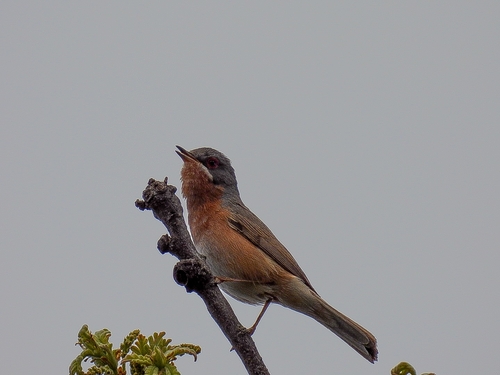 toutinegra-de-bigodes-ocidental
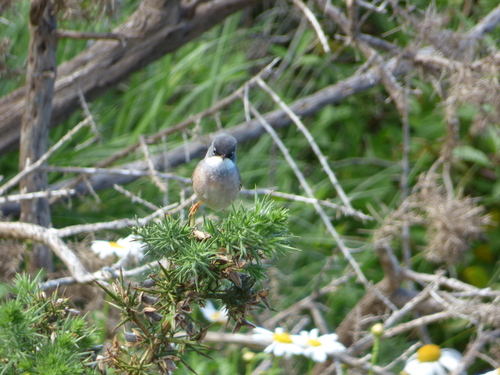 toutinegra-tomilheira
Em resumo
A marca de campo mais confiável para separar a toutinegra-de-bigodes-ocidental e a toutinegra-tomilheira é a presença de uma faixa malar branca ousada ('bigode') no macho adulto da toutinegra-de-bigodes-ocidental, em contraste com o anel ocular branco proeminente no macho adulto da toutinegra-tomilheira. Ambas as espécies podem parecer semelhantes, especialmente em plumagens imaturas ou femininas, mas os machos em condição de reprodução são mais facilmente diferenciados por essas características faciais. Pássaros imaturos de ambas as espécies são notoriamente difíceis e frequentemente confundidos, pois compartilham partes superiores marrons e partes inferiores pálidas, portanto, atenção cuidadosa aos padrões sutis da cabeça e da garganta é necessária. Ambas as espécies são pequenas, ativas e pertencem ao gênero Curruca, e seus cantos são rápidos e ruidosos, mas não são separáveis de forma confiável pelo ouvido em campo.
Dicas de identificação
- **O macho adulto da toutinegra-de-bigodes-ocidental apresenta uma faixa malar branca ousada ('bigode') abaixo do olho, contrastando com uma cabeça cinza e partes inferiores vermelho-tijolo. Esta é a marca mais confiável na primavera e no início do verão.
- **O macho adulto da toutinegra-tomilheira possui um anel ocular branco proeminente e uma garganta branca, com uma cabeça cinza e partes superiores marrons, mas não possui a faixa malar branca ousada. O anel ocular é a característica facial chave para esta espécie.
- **Pássaros imaturos e fêmeas de ambas as espécies são marrons acima e pálidos abaixo, com apenas diferenças sutis. Nestas idades, a toutinegra-tomilheira pode mostrar um anel ocular fraco e manchas de asas castanhas, enquanto as fêmeas da toutinegra-de-bigodes-ocidental têm uma cabeça mais cinza e um tom rosado nas partes inferiores, mas estas não são sempre óbvias.
- **As manchas de asas castanhas na toutinegra-tomilheira (especialmente nos machos) podem ajudar, já que a toutinegra-de-bigodes-ocidental não possui essa característica. Procure por isso em boa luz em pássaros empoleirados.
- **A garganta branca está presente em ambas as espécies, mas na toutinegra-tomilheira é frequentemente mais extensa e contrasta com as partes inferiores amarelas, enquanto na toutinegra-de-bigodes-ocidental é menos definida.
- **Cor das partes inferiores em machos adultos: a toutinegra-de-bigodes-ocidental é vermelho-tijolo abaixo, enquanto a toutinegra-tomilheira é amarelada ou pálida.
- **Cor da cabeça: Ambos os machos adultos têm cabeças cinzas, mas a da toutinegra-de-bigodes-ocidental é frequentemente mais escura e uniforme, enquanto a da toutinegra-tomilheira pode parecer mais clara e destacada pelo anel ocular branco.
- **Padrão facial: A faixa malar branca da toutinegra-de-bigodes-ocidental é uma linha abaixo do olho, não um anel. O branco da toutinegra-tomilheira é um anel completo ao redor do olho.
- **O canto não é um separador confiável em campo; ambos são rápidos e ruidosos ou trinado, e se sobrepõem em qualidade.
- **O habitat e a distribuição se sobrepõem amplamente; não confie apenas na localização para separação.
- **Ambas as espécies não possuem padrões de asas juvenis ou de primeiro inverno distintivos (como um W preto, painel pálido ou borda traseira contrastante), portanto, vistas de voo de imaturos não são úteis para separação.
- **A toutinegra-tomilheira pode parecer ligeiramente mais marrom quente acima e mais amarelada abaixo do que a toutinegra-de-bigodes-ocidental, mas isso é sutil e variável.
- **Em luz fraca ou vistas rápidas, concentre-se no padrão facial (faixa malar vs. anel ocular) e qualquer indício de castanho na asa para a toutinegra-tomilheira.
- **Se o pássaro mostrar uma linha malar branca forte, mas sem anel ocular, favoreça a toutinegra-de-bigodes-ocidental. Se o anel ocular for óbvio e completo, favoreça a toutinegra-tomilheira.
- **Se houver dúvida com uma Curruca marronada e de barriga pálida em matagal mediterrâneo, e nenhuma marca facial for clara, pode não ser identificada com segurança a espécie em campo.
Tamanho
Ambas as espécies são muito pequenas e pertencem ao gênero Curruca, e não há diferença de tamanho confiável em campo, de acordo com as fontes disponíveis. A estrutura, incluindo bico e cauda, não é distintamente diferente o suficiente para ser diagnóstica entre a toutinegra-de-bigodes-ocidental e a toutinegra-tomilheira. Espere que ambas sejam semelhantes em comprimento e proporções gerais.
Plumagem
-
Pássaros imaturos/juvenis: Os imaturos de ambas as espécies são marrons acima e pálidos abaixo, tornando-os difíceis de separar. A toutinegra-tomilheira imatura pode ser confundida com a toutinegra-de-bigodes-ocidental, e vice-versa; nenhum padrão distintivo de asa superior ou marca de voo é notado para qualquer uma das espécies nesta idade. Diferenças sutis podem existir no padrão da cabeça, mas estas não são sempre confiáveis em campo.
-
Machos adultos (reprodução): Os machos da toutinegra-de-bigodes-ocidental apresentam costas e cabeça cinzas, partes inferiores vermelho-tijolo e uma faixa malar branca ousada ('bigode'). Os machos da toutinegra-tomilheira têm uma cabeça cinza, partes superiores marrons, partes inferiores amarelas, uma garganta branca e um anel ocular branco conspícuo, mas não possuem a faixa malar branca forte. Ambos têm um pouco de branco no rosto, mas a localização e a forma diferem.
-
Fêmeas adultas: A fêmea da toutinegra-de-bigodes-ocidental é principalmente marrom acima, com uma cabeça mais cinza e partes inferiores esbranquiçadas com um tom rosado. A fêmea da toutinegra-tomilheira é marrom acima e amarelada abaixo, com uma garganta branca, mas marcas faciais menos pronunciadas. O anel ocular é menos óbvio do que nos machos, mas ainda pode ser visível na toutinegra-tomilheira.
-
Padrão de asa: Nenhum painel de asa distintivo, triângulo ou borda traseira é descrito para qualquer uma das espécies em qualquer classe de idade. A toutinegra-tomilheira pode mostrar manchas de asas castanhas, que estão ausentes na toutinegra-de-bigodes-ocidental.
Comportamento
Ambas as espécies são warblers ativas, frequentemente furtivas, de matagal mediterrâneo e vegetação baixa. Seu comportamento geral, incluindo estilo de forrageio e movimento, é semelhante e não é separável de forma confiável em campo. Ambas podem ser vistas voando entre arbustos e ocasionalmente empoleirando-se em locais abertos para cantar.
Habitat
Tanto a toutinegra-de-bigodes-ocidental quanto a toutinegra-tomilheira se reproduzem no extremo sul da Europa e no noroeste da África, favorecendo matagal mediterrâneo e habitats arbustivos. Há uma sobreposição substancial em suas áreas de reprodução e ambientes preferidos, portanto, o habitat sozinho não é um separador confiável. Ambas podem ser encontradas em áreas arbustivas baixas e semelhantes.
Voz
Ambas as espécies têm cantos rápidos, ruidosos ou trinado alto. O canto da toutinegra-de-bigodes-ocidental é descrito como rápido e ruidoso, semelhante ao papa-amoras-cinzento, enquanto o da toutinegra-tomilheira é um trinado alto rápido. Esses cantos não são separáveis de forma confiável em campo, especialmente para observadores de aves não familiarizados com ambas.
toutinegra-de-bigodes-ocidental · toutinegra-tomilheira · Minhas aves difíceis