

Curruca Carrasqueña Occidental vs Curruca Tomillera
Curruca iberiae frente a Curruca conspicillata
Juega un quiz con Curruca Carrasqueña Occidental y Curruca Tomillera
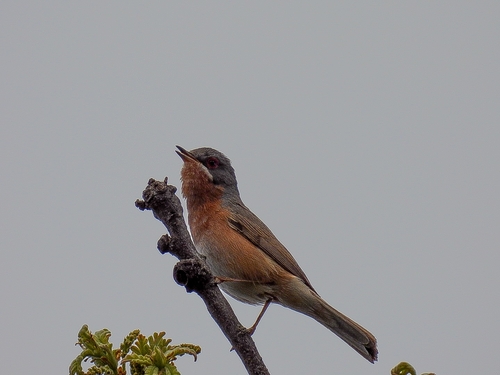 Curruca Carrasqueña Occidental
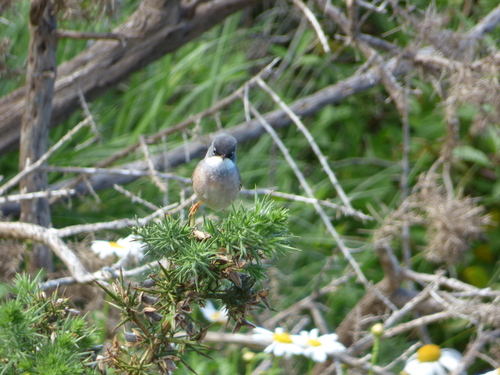 Curruca Tomillera
En breve
La marca de campo más confiable para separar la Curruca Carrasqueña Occidental y la Curruca Tomillera es la presencia de una marcada franja malar blanca ('bigote') en el macho adulto de Curruca Carrasqueña Occidental, frente al prominente anillo ocular blanco en el macho adulto de Curruca Tomillera. Ambas especies pueden parecer similares, especialmente en plumajes inmaduros o femeninos, pero los machos en condiciones de cría son más fácilmente diferenciables por estas características faciales. Las aves inmaduras de ambas especies son notoriamente difíciles y a menudo se confunden, ya que comparten partes superiores marrones y partes inferiores pálidas, por lo que se requiere atención cuidadosa a los patrones sutiles de la cabeza y la garganta. Ambas especies son pequeñas, activas y son de matorrales mediterráneos, y sus cantos son rápidos y traqueteantes, pero no se pueden separar de manera confiable por el oído en el campo.
Consejos de identificación
- **El macho adulto de Curruca Carrasqueña Occidental muestra una marcada franja malar blanca ('bigote') debajo del ojo, en contraste con una cabeza gris y partes inferiores de color rojo ladrillo. Esta es la marca más confiable en primavera y principios de verano.
- **El macho adulto de Curruca Tomillera tiene un prominente anillo ocular blanco y una garganta blanca, con una cabeza gris y partes superiores marrones, pero carece de la marcada franja malar blanca. El anillo ocular es la característica facial clave para esta especie.
- **Las aves inmaduras y femeninas de ambas especies son marrones por encima y pálidas por debajo, con solo diferencias sutiles. En estas edades, la Curruca Tomillera puede mostrar un tenue anillo ocular y parches de alas castañas, mientras que las hembras de Curruca Carrasqueña Occidental tienen una cabeza más gris y un rubor rosado en las partes inferiores, pero estas no siempre son obvias.
- **Los parches de alas castañas en la Curruca Tomillera (especialmente en machos) pueden ayudar, ya que la Curruca Carrasqueña Occidental carece de esta característica. Busca esto en buena luz en aves posadas.
- **La garganta blanca está presente en ambas especies, pero en la Curruca Tomillera a menudo es más extensa y contrasta con las partes inferiores de color crema, mientras que en la Curruca Carrasqueña Occidental está menos definida.
- **Color de las partes inferiores en machos adultos: la Curruca Carrasqueña Occidental es de color rojo ladrillo por debajo, mientras que la Curruca Tomillera es de color crema o pálido.
- **Color de la cabeza: Ambos machos adultos tienen cabezas grises, pero la de la Curruca Carrasqueña Occidental es a menudo más oscura y uniforme, mientras que la de la Curruca Tomillera puede parecer más pálida y resaltada por el anillo ocular blanco.
- **Patrón facial: la franja malar blanca de la Curruca Carrasqueña Occidental es una línea debajo del ojo, no un anillo. El blanco de la Curruca Tomillera es un anillo completo alrededor del ojo.
- **El canto no es un separador confiable en el campo; ambos son rápidos y traqueteantes o trinos, y se superponen en calidad.
- **El hábitat y el rango se superponen ampliamente; no confíes solo en la ubicación para la separación.
- **Ambas especies carecen de patrones de alas juveniles o de primer invierno distintivos (como una W negra, panel pálido o borde trasero contrastante), por lo que las vistas de vuelo de inmaduros no son útiles para la separación.
- **La Curruca Tomillera puede parecer ligeramente más marrón cálido por encima y más crema por debajo que la Curruca Carrasqueña Occidental, pero esto es sutil y variable.
- **En luz pobre o vistas rápidas, concéntrate en el patrón facial (franja malar vs. anillo ocular) y cualquier indicio de castaño en el ala para la Curruca Tomillera.
- **Si el ave muestra una fuerte línea malar blanca pero no un anillo ocular, favorece a la Curruca Carrasqueña Occidental. Si el anillo ocular es obvio y completo, favorece a la Curruca Tomillera.
- **Si tienes dudas con una Curruca marrón y de vientre pálido en matorrales mediterráneos, y ninguna marca facial es clara, puede que no se pueda identificar de manera segura a la especie en el campo.
Tamaño
Ambas especies son warblers muy pequeñas del género Curruca, y no hay una diferencia de tamaño confiable en el campo según las fuentes disponibles. La estructura, incluyendo el pico y la cola, no es lo suficientemente diferente como para ser diagnóstica entre la Curruca Carrasqueña Occidental y la Curruca Tomillera. Se espera que ambas sean similares en longitud y proporciones generales.
Plumaje
-
Aves inmaduras/juveniles: Las inmaduras de ambas especies son marrones por encima y pálidas por debajo, lo que las hace difíciles de separar. La Curruca Tomillera inmadura puede confundirse con la Curruca Carrasqueña Occidental, y viceversa; no se nota ningún patrón distintivo en el ala superior o marca de vuelo para ninguna de las especies a esta edad. Pueden existir diferencias sutiles en el patrón de la cabeza, pero estas no siempre son confiables en el campo.
-
Machos adultos (cría): Los machos de Curruca Carrasqueña Occidental muestran una espalda y cabeza grises, partes inferiores de color rojo ladrillo, y una marcada franja malar blanca ('bigote'). Los machos de Curruca Tomillera tienen una cabeza gris, partes superiores marrones, partes inferiores de color crema, una garganta blanca, y un conspicuo anillo ocular blanco, pero carecen de la fuerte franja malar blanca. Ambos tienen algo de blanco en la cara, pero la ubicación y forma difieren.
-
Hembras adultas: La hembra de Curruca Carrasqueña Occidental es principalmente marrón por encima con una cabeza más gris y partes inferiores blanquecinas con un rubor rosado. La hembra de Curruca Tomillera es marrón por encima y crema por debajo, con una garganta blanca pero marcas faciales menos pronunciadas. El anillo ocular es menos obvio que en los machos, pero aún puede ser visible en la Curruca Tomillera.
-
Patrón de alas: No se describe ningún panel de alas distintivo, triángulo o borde trasero para ninguna de las especies en ninguna clase de edad. La Curruca Tomillera puede mostrar parches de alas castañas, que están ausentes en la Curruca Carrasqueña Occidental.
Comportamiento
Ambas especies son warblers activas, a menudo ocultas, de matorrales mediterráneos y vegetación baja. Su comportamiento general, incluyendo el estilo de forrajeo y movimiento, es similar y no se puede separar de manera confiable en el campo. Ambas pueden ser vistas revoloteando entre arbustos y ocasionalmente posándose a la vista para cantar.
Hábitat
Tanto la Curruca Carrasqueña Occidental como la Curruca Tomillera crían en el sur de Europa y el noroeste de África, favoreciendo matorrales mediterráneos y hábitats arbustivos. Hay una superposición sustancial en sus rangos de cría y entornos preferidos, por lo que el hábitat por sí solo no es un separador confiable. Ambas pueden encontrarse en áreas arbustivas similares y bajas.
Voz
Ambas especies tienen cantos rápidos, traqueteantes o trinos altos. El canto de la Curruca Carrasqueña Occidental se describe como rápido y traqueteante, similar a la Curruca Zarcerilla, mientras que el de la Curruca Tomillera es un rápido trino alto. Estos cantos no se pueden separar de manera confiable en el campo, especialmente para los observadores de aves no familiarizados con ambas.
Curruca Carrasqueña Occidental · Curruca Tomillera · Mis aves difíciles