

Sterpazzolina occidentale vs Sterpazzola della Sardegna
Curruca iberiae contro Curruca conspicillata
Fai un quiz con Sterpazzolina occidentale e Sterpazzola della Sardegna
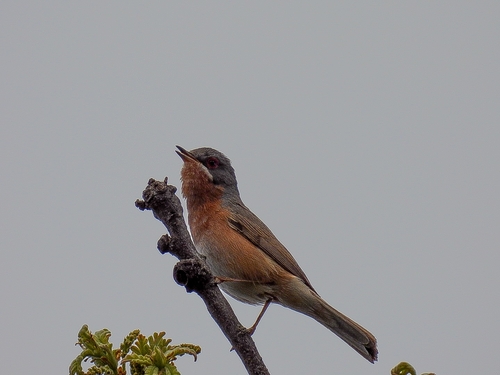 Sterpazzolina occidentale
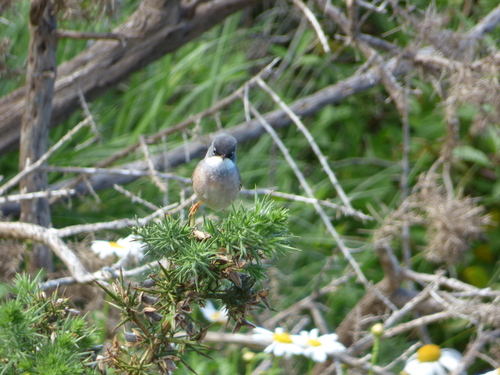 Sterpazzola della Sardegna
In breve
Il segno di campo più affidabile per separare la Sterpazzolina occidentale e la Sterpazzola della Sardegna è la presenza di una marcata striscia malare bianca ('moustache') nell'adulto maschio di Sterpazzolina occidentale, rispetto all'anello oculare bianco prominente nell'adulto maschio di Sterpazzola della Sardegna. Entrambe le specie possono apparire simili, specialmente nei piumaggi immaturi o femminili, ma i maschi in condizioni di riproduzione sono più facilmente distinguibili da queste caratteristiche facciali. Gli uccelli immaturi di entrambe le specie sono notoriamente difficili e spesso confusi, poiché condividono parti superiori marroni e parti inferiori chiare, quindi è necessaria un'attenzione accurata ai modelli sottili di testa e gola. Entrambe le specie sono piccole, attive e vivono nei cespugli mediterranei, e i loro canti sono veloci e frastagliati, ma non sono separabili in modo affidabile all'orecchio sul campo.
Consigli di identificazione
- **L'adulto maschio di Sterpazzolina occidentale mostra una marcata striscia malare bianca ('moustache') sotto l'occhio, in contrasto con una testa grigia e parti inferiori rosso mattone. Questo è il segno più affidabile in primavera e all'inizio dell'estate.
- **L'adulto maschio di Sterpazzola della Sardegna ha un anello oculare bianco prominente e una gola bianca, con una testa grigia e parti superiori marroni, ma manca della marcata striscia malare bianca. L'anello oculare è la caratteristica facciale chiave per questa specie.
- **Gli uccelli immaturi e femminili di entrambe le specie sono marroni sopra e chiari sotto, con solo sottili differenze. In queste età, la Sterpazzola della Sardegna può mostrare un anello oculare debole e macchie castanee sulle ali, mentre le femmine di Sterpazzolina occidentale hanno una testa più grigia e un riflesso rosa nelle parti inferiori, ma questi non sono sempre evidenti.
- **Le macchie castanee sulle ali nella Sterpazzola della Sardegna (specialmente nei maschi) possono aiutare, poiché la Sterpazzolina occidentale manca di questa caratteristica. Cerca questo in buona luce su uccelli posati.
- **La gola bianca è presente in entrambe le specie, ma nella Sterpazzola della Sardegna è spesso più estesa e contrasta con le parti inferiori color crema, mentre nella Sterpazzolina occidentale è meno definita.
- **Colore delle parti inferiori negli adulti maschi: la Sterpazzolina occidentale è rosso mattone sotto, mentre la Sterpazzola della Sardegna è color crema o chiara.
- **Colore della testa: entrambi gli adulti maschi hanno teste grigie, ma quella della Sterpazzolina occidentale è spesso più scura e uniforme, mentre quella della Sterpazzola della Sardegna può apparire più chiara e messa in risalto dall'anello oculare bianco.
- **Modello facciale: la striscia malare bianca della Sterpazzolina occidentale è una linea sotto l'occhio, non un anello. Il bianco della Sterpazzola della Sardegna è un anello completo attorno all'occhio.
- **Il canto non è un separatore affidabile sul campo; entrambi sono veloci e frastagliati o gorgheggianti, e si sovrappongono nella qualità.
- **L'habitat e l'areale si sovrappongono ampiamente; non fare affidamento solo sulla posizione per la separazione.
- **Entrambe le specie mancano di modelli distintivi di ali giovanili o di primo inverno (come una W nera, un pannello chiaro o un bordo posteriore contrastante), quindi le viste in volo degli immaturi non sono utili per la separazione.
- **La Sterpazzola della Sardegna può apparire leggermente più calda di colore marrone sopra e più chiara sotto rispetto alla Sterpazzolina occidentale, ma questo è sottile e variabile.
- **In scarsa luce o in viste rapide, concentrati sul modello facciale (striscia malare vs. anello oculare) e su qualsiasi accenno di castano nell'ala per la Sterpazzola.
- **Se l'uccello mostra una forte linea malare bianca ma nessun anello oculare, favorisci la Sterpazzolina occidentale. Se l'anello oculare è ovvio e completo, favorisci la Sterpazzola.
- **Se hai dubbi con un Curruca marrone, con pancia chiara nei cespugli mediterranei, e nessun segno facciale è chiaro, potrebbe non essere identificato in modo sicuro a specie sul campo.
Taglia
Entrambe le specie sono uccelli molto piccoli nel genere Curruca, e non c'è una differenza di dimensioni affidabile sul campo secondo le fonti disponibili. La struttura, compresi becco e coda, non è sufficientemente diversa da essere diagnostica tra la Sterpazzolina occidentale e la Sterpazzola della Sardegna. Aspettati che entrambe siano simili in lunghezza e proporzioni generali.
Piumaggio
-
Uccelli immaturi/giovanili: Gli immaturi di entrambe le specie sono marroni sopra e chiari sotto, rendendoli difficili da separare. La Sterpazzola della Sardegna immatura può essere confusa con la Sterpazzolina occidentale, e viceversa; non è stato notato alcun modello distintivo delle ali superiori o segno di volo per entrambe le specie a questa età. Possono esistere differenze sottili nel modello della testa, ma queste non sono sempre affidabili sul campo.
-
Maschi adulti (riproduzione): I maschi di Sterpazzolina occidentale mostrano un dorso e una testa grigi, parti inferiori rosso mattone e una marcata striscia malare bianca ('moustache'). I maschi di Sterpazzola della Sardegna hanno una testa grigia, parti superiori marroni, parti inferiori color crema, una gola bianca e un anello oculare bianco evidente, ma mancano della forte striscia malare bianca. Entrambi hanno del bianco sul viso, ma la posizione e la forma differiscono.
-
Femmine adulte: La femmina di Sterpazzolina occidentale è principalmente marrone sopra con una testa più grigia e parti inferiori bianche con un riflesso rosa. La femmina di Sterpazzola della Sardegna è marrone sopra e color crema sotto, con una gola bianca ma marcature facciali meno pronunciate. L'anello oculare è meno evidente rispetto ai maschi, ma può comunque essere visibile nella Sterpazzola.
-
Modello delle ali: Non è stato descritto alcun pannello distintivo delle ali, triangolo o bordo posteriore per entrambe le specie in nessuna classe di età. La Sterpazzola della Sardegna può mostrare macchie castanee sulle ali, che sono assenti nella Sterpazzolina occidentale.
Comportamento
Entrambe le specie sono warblers attivi, spesso furtivi, dei cespugli mediterranei e della vegetazione bassa. Il loro comportamento generale, incluso lo stile di foraggiamento e il movimento, è simile e non è separabile in modo affidabile sul campo. Entrambi possono essere visti saltellare tra i cespugli e occasionalmente posarsi in aperto per cantare.
Habitat
Entrambe la Sterpazzolina occidentale e la Sterpazzola della Sardegna nidificano nell'Europa meridionale e nel nord-ovest dell'Africa, preferendo i cespugli mediterranei e gli habitat cespugliosi. C'è una sostanziale sovrapposizione nei loro areali di nidificazione e negli ambienti preferiti, quindi l'habitat da solo non è un separatore affidabile. Entrambi possono essere trovati in aree cespugliose simili.
Voce
Entrambe le specie hanno canti veloci, frastagliati o gorgheggianti. Il canto della Sterpazzolina occidentale è descritto come veloce e frastagliato, simile alla Bigiarella, mentre quello della Sterpazzola della Sardegna è un veloce gorgheggio alto. Questi canti non sono separabili in modo affidabile sul campo, specialmente per i birdwatcher non familiari con entrambe.
Sterpazzolina occidentale · Sterpazzola della Sardegna · I miei uccelli difficili