

águia-sapeira vs tartaranhão-cinzento-americano
Circus aeruginosus versus Circus hudsonius
Jogue um quiz com águia-sapeira e tartaranhão-cinzento-americano
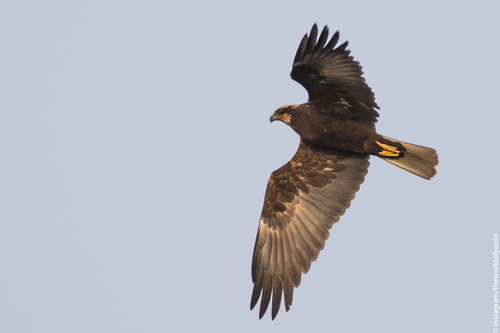 águia-sapeira
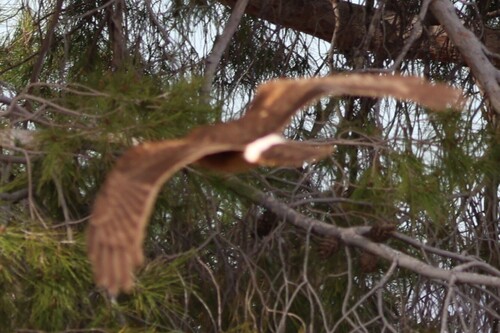 tartaranhão-cinzento-americano
Em resumo
A marca de campo mais confiável para separar a águia-sapeira do tartaranhão-cinzento-americano é a estrutura e o tamanho geral: a águia-sapeira é distintamente mais robusta, com asas mais largas e uma construção mais pesada, enquanto o tartaranhão-cinzento-americano é mais esbelto, com cauda mais longa e mais ágil em voo. Os machos adultos diferem em plumagem: os machos da águia-sapeira apresentam um padrão de três tons (asa anterior marrom, secundárias cauda cinza, pontas das asas pretas), enquanto os machos do tartaranhão-cinzento-americano são de um cinza pálido uniforme acima, com pontas das asas pretas e uma rabadilha branca. As fêmeas e os juvenis de ambos são marrons, mas as fêmeas e os jovens da águia-sapeira são mais escuros, com uma cabeça e ombros pálidos em forte contraste, enquanto as fêmeas/juvenis do tartaranhão-cinzento-americano têm uma aparência menos contrastante, com listras e uma distinta mancha branca na rabadilha visível em voo. Ambas as espécies caçam baixo sobre o solo aberto com as asas em um V raso, mas a águia-sapeira parece mais pesada e menos ágil. As vocalizações não são tipicamente diagnósticas em campo.
Dicas de identificação
- Mancha branca na rabadilha (tartaranhão-cinzento-americano apenas): Todas as idades e sexos do tartaranhão-cinzento-americano mostram uma rabadilha branca brilhante em voo, visível de cima e de baixo. A águia-sapeira nunca mostra essa característica.
- Tamanho e estrutura geral: A águia-sapeira é mais robusta, com asas mais largas e uma construção mais pesada; o tartaranhão-cinzento-americano é mais esbelto, com cauda mais longa e mais gracioso em voo. Isso é aparente tanto empoleirado quanto em voo.
- Plumagem do macho adulto: Os machos da águia-sapeira são de três tons (asa anterior marrom, secundárias cauda cinza, pontas das asas pretas), enquanto os machos do tartaranhão-cinzento-americano são de um cinza pálido uniforme acima, com pontas das asas pretas e uma rabadilha branca.
- Padrão da cabeça de juvenis/fêmeas: As fêmeas e os juvenis da águia-sapeira têm uma cabeça e ombros pálidos em forte contraste com uma área ocular escura; as fêmeas/immaturos do tartaranhão-cinzento-americano têm uma cabeça marrom listrada menos contrastante, com um disco facial e sem coroa/ombros pálidos acentuados.
- Padrão de asa inferior e superior: Os machos da águia-sapeira mostram um padrão de três cores na asa (marrom, cinza, preto), enquanto os machos do tartaranhão-cinzento-americano têm cinza uniforme com pontas das asas pretas. As fêmeas/juvenis de ambos são marrons, mas o tartaranhão-cinzento-americano apresenta mais listras e a rabadilha branca.
- Estilo de voo: A águia-sapeira é mais pesada, mais estável e mais lenta em voo, com menos inclinação e manobras. O tartaranhão-cinzento-americano é ágil, elástico e frequentemente inclina-se de lado a lado enquanto percorre os campos.
- Disco facial (tartaranhão-cinzento-americano): O tartaranhão-cinzento-americano apresenta um disco facial semelhante ao de uma coruja, especialmente em fêmeas e juvenis, dando uma aparência de cabeça mais arredondada. A águia-sapeira não possui essa característica.
- Postura empoleirada: A águia-sapeira parece mais pesada e robusta quando empoleirada; o tartaranhão-cinzento-americano é mais esbelto e com cauda mais longa.
- Dimorfismo sexual: Ambas as espécies são sexualmente dimórficas, mas os machos da águia-sapeira são mais coloridos (três tons), enquanto os machos do tartaranhão-cinzento-americano são de um cinza pálido fantasmagórico.
- Morfos escuros raros: Os águias-sapeiras hipermelânicas (raras, principalmente na faixa oriental) podem parecer totalmente escuras, potencialmente confundindo-se com o tartaranhão-cinzento-americano escuro, mas ainda assim carecem de uma rabadilha branca e são mais robustas.
- Habitat e distribuição: A águia-sapeira é eurasiática/africana; o tartaranhão-cinzento-americano é norte-americano. Em campo, considere a localização e a faixa esperada.
- Vocalizações: Não são confiáveis para separação; ambas são geralmente silenciosas, mas o tartaranhão-cinzento-americano pode emitir chamados 'kek' na época de reprodução.
- Cor das pernas: A águia-sapeira tem pernas e cera amarelas; essa não é uma marca de campo forte à distância, mas pode ajudar se vista de perto.
- Cor dos olhos: Ambas têm íris amarelas como adultas, mas as fêmeas da águia-sapeira têm uma área ocular escura que destaca o olho pálido; nem sempre visível à distância.
- Comportamento alimentar: Ambas caçam baixo sobre o solo aberto, mas o tartaranhão-cinzento-americano pode ser mais propenso a caçar pelo som, usando seu disco facial.
Tamanho
A águia-sapeira é significativamente maior e mais pesada: os machos medem 48–56 cm de comprimento com uma envergadura de 115–130 cm e pesam 400–650 g (fêmeas até 800 g). O tartaranhão-cinzento-americano é menor e mais leve: 41–52 cm de comprimento, 97–122 cm de envergadura, com machos pesando em média 350 g e fêmeas 530 g. Em comparação direta, a águia-sapeira é mais robusta, com asas mais largas e um corpo mais robusto, enquanto o tartaranhão-cinzento-americano é mais esbelto e com cauda mais longa para seu tamanho. Essa diferença é aparente tanto empoleirado quanto em voo.
Plumagem
-
Juvenis e imaturos: Os juvenis da águia-sapeira são muito escuros, com uma cabeça e ombros pálidos em forte contraste (às vezes menos distintos em aves desgastadas) e não possuem uma rabadilha branca. Morfos hipermelânicos raros podem parecer quase totalmente pretos. Os juvenis e fêmeas do tartaranhão-cinzento-americano são marrons acima e listrados abaixo, mas sempre mostram uma proeminente mancha branca na rabadilha em voo, e sua cabeça é menos contrastante, muitas vezes com um disco facial que dá uma aparência semelhante à de uma coruja.
-
Machos adultos: Os machos da águia-sapeira são de três tons: asa anterior marrom avermelhada, secundárias e cauda cinza pálido, e pontas das asas pretas. Sua cabeça é pálida, mas não em forte contraste. Os machos do tartaranhão-cinzento-americano são de um cinza pálido uniforme acima, com pontas das asas pretas e uma rabadilha branca marcante; as partes inferiores são mais claras e menos listradas do que os machos da águia-sapeira.
-
Fêmeas adultas: As fêmeas da águia-sapeira são marrons chocolate com uma cabeça e ombros pálidos em forte contraste e uma área ocular escura. As fêmeas do tartaranhão-cinzento-americano são mais escuras e mais ruivas do que o tartaranhão-cinzento, mas em comparação com a águia-sapeira, são menos contrastantes, com uma aparência marrom listrada e sempre uma rabadilha branca.
-
Chave em voo: A rabadilha branca do tartaranhão-cinzento-americano (todas as idades/sexos) é uma marca de campo forte ausente na águia-sapeira. A águia-sapeira mostra um padrão mais pesado e mais uniforme de marrom ou um padrão de três tons (macho) sem uma rabadilha branca.
Comportamento
Ambas as espécies caçam baixo sobre o solo aberto com as asas mantidas em um V raso, frequentemente com as pernas pendentes. A águia-sapeira parece mais pesada e menos ágil, planando com asas mais largas e um voo mais lento e estável. O tartaranhão-cinzento-americano é mais ágil, com um estilo de voo mais leve e elástico, frequentemente inclinando-se e manobrando enquanto percorre os campos. O tartaranhão-cinzento-americano também usa seu disco facial para caçar pelo som e pode parecer mais semelhante a uma coruja em comportamento e forma de cabeça.
Habitat
A águia-sapeira é encontrada em zonas úmidas temperadas e subtropicais, pântanos e canaviais em toda a Eurásia ocidental e na África adjacente. O tartaranhão-cinzento-americano se reproduz em habitats abertos—pântanos, pastagens e campos—em toda a América do Norte setentrional, migrando para o sul no inverno. Em áreas de sobreposição (por exemplo, o Paleártico ocidental), o uso do habitat é semelhante, mas o contexto e a faixa podem ajudar: a águia-sapeira é eurasiática/africana, o tartaranhão-cinzento-americano é norte-americano.
Voz
As vocalizações não são tipicamente diagnósticas em campo. O tartaranhão-cinzento-americano é principalmente silencioso, mas emite notas rápidas de 'kek' e, na época de reprodução, as fêmeas podem gritar. A águia-sapeira não é descrita como vocal nas fontes, e os chamados não são um ponto de separação confiável.
águia-sapeira · tartaranhão-cinzento-americano · Minhas aves difíceis