

Motmot

ヨーロッパチュウヒ 対 アメリカハイイロチュウヒ

Circus aeruginosus 対 Circus hudsonius

ヨーロッパチュウヒとアメリカハイイロチュウヒのクイズ
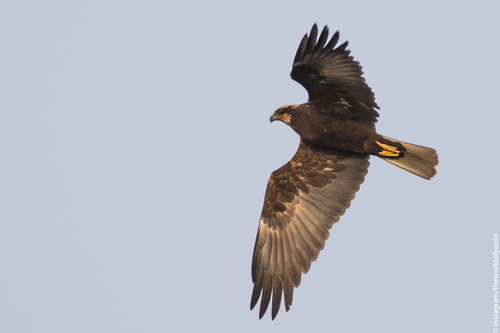
ヨーロッパチュウヒ (Circus aeruginosus) ヨーロッパチュウヒ
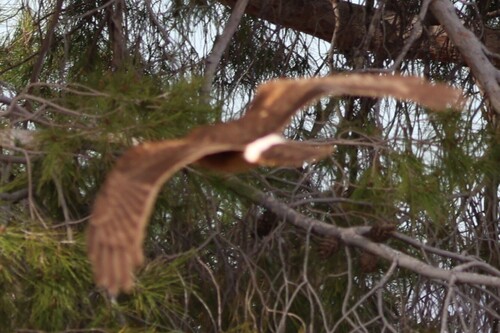
アメリカハイイロチュウヒ (Circus hudsonius) アメリカハイイロチュウヒ

メディア

読み込み中…

要点

ハイイロチュウヒとアメリカハイイロチュウヒを区別する最も信頼できるフィールドマークは、全体的な構造とサイズです:ハイイロチュウヒは明らかにずっしりとしており、翼が広く、体が重いのに対し、アメリカハイイロチュウヒはスリムで、尾が長く、飛行中はより浮遊感があります。成鳥のオスは羽毛が異なります:ハイイロチュウヒのオスは三色のパターン(茶色の前羽、灰色の二次羽/尾、黒い翼先)を示し、アメリカハイイロチュウヒのオスは上面が均一な淡い灰色で、対照的な黒い翼先と白い尾羽を持っています。両種の雌と幼鳥は茶色ですが、ハイイロチュウヒの雌と幼鳥はより暗く、はっきりとした淡い頭と肩を持ち、アメリカハイイロチュウヒの雌/未成熟個体は対照が少なく、縞模様の外観と飛行中に見える特徴的な白い尾羽斑点を持っています。両種は翼を浅いV字にして開けた地面の上を低く狩りますが、ハイイロチュウヒはより重く、機敏さに欠けるように見えます。鳴き声は通常、フィールドでの診断には役立ちません。

識別のコツ

  1. 白い尾羽斑点(アメリカハイイロチュウヒのみ): アメリカハイイロチュウヒのすべての年齢と性別は、飛行中に明るい白い尾羽を示し、上からも下からも見えます。ハイイロチュウヒはこの特徴を示しません。
  2. 全体的なサイズと構造: ハイイロチュウヒはずっしりとしており、翼が広く、体が重い;アメリカハイイロチュウヒはスリムで、尾が長く、飛行中はより優雅です。これは止まっている時と飛行中の両方で明らかです。
  3. 成鳥のオスの羽毛: ハイイロチュウヒのオスは三色(茶色の前羽、灰色の二次羽/尾、黒い翼先)で、アメリカハイイロチュウヒのオスは上面が均一な淡い灰色で、黒い翼先と白い尾羽を持っています。
  4. 幼鳥/雌の頭のパターン: ハイイロチュウヒの雌と幼鳥は、暗い目の部分を持つはっきりとした淡い黄褐色の頭と肩を持ち、アメリカハイイロチュウヒの雌/未成熟個体は対照が少なく、顔の円盤を持つ縞模様の茶色の頭を持ち、はっきりとした淡い冠/肩はありません。
  5. 下翼と上翼のパターン: ハイイロチュウヒのオスは翼に三色のパターン(茶色、灰色、黒)を示し、アメリカハイイロチュウヒのオスは均一な灰色で黒い翼先を持っています。両種の雌/幼鳥は茶色ですが、アメリカハイイロチュウヒはより多くの縞模様と白い尾羽を示します。
  6. 飛行スタイル: ハイイロチュウヒは飛行中に重く、安定しており、遅く、傾きやバンクが少ないです。アメリカハイイロチュウヒは浮遊感があり、弾力性があり、しばしばフィールドを横切る際に左右に傾きます。
  7. 顔の円盤(アメリカハイイロチュウヒ): アメリカハイイロチュウヒは、特に雌と幼鳥においてフクロウのような顔の円盤を示し、丸い頭の外観を与えます。ハイイロチュウヒはこの特徴を欠いています。
  8. 止まっている姿勢: ハイイロチュウヒは止まっている時により重く、頑丈に見え、アメリカハイイロチュウヒはスリムで尾が長いです。
  9. 性的二形性: 両種は性的二形性を持っていますが、ハイイロチュウヒのオスはよりカラフル(三色)で、アメリカハイイロチュウヒのオスは幽霊のような淡い灰色です。
  10. 珍しい暗色型: ハイイロチュウヒのハイパーメラニック型(珍しい、主に東部の範囲)は、ほぼ完全に黒く見えることがありますが、暗いアメリカハイイロチュウヒと混同される可能性がありますが、依然として白い尾羽を欠き、ずっしりとしています。
  11. 生息地と範囲: ハイイロチュウヒはユーラシア/アフリカ;アメリカハイイロチュウヒは北アメリカです。フィールドでは、場所と期待される範囲を考慮してください。
  12. 鳴き声: 分離には信頼できません;両種は一般的に静かですが、アメリカハイイロチュウヒは繁殖期に「ケック」と呼ぶことがあります。
  13. 脚の色: ハイイロチュウヒは黄色い脚とクチバシを持っています;これは遠くからは強いフィールドマークではありませんが、よく見えた場合には役立つかもしれません。
  14. 目の色: 両種は成鳥として黄色い虹彩を持っていますが、ハイイロチュウヒの雌は暗い目の部分があり、淡い目が目立ちます;遠くからは常に見えるわけではありません。
  15. 採餌行動: 両種は開けた地面の上を低く狩りますが、アメリカハイイロチュウヒは顔の円盤を使用して音で狩る可能性が高いです。

大きさ

ハイイロチュウヒは明らかに大きく、重いです:オスは48–56 cmの長さで、115–130 cmの翼幅を持ち、重さは400–650 g(雌は最大800 g)。アメリカハイイロチュウヒは小さく、より軽量です:41–52 cmの長さ、97–122 cmの翼幅を持ち、オスは平均350 g、雌は530 gです。直接比較すると、ハイイロチュウヒはずっしりとしており、翼が広く、より頑丈な体を持ち、アメリカハイイロチュウヒはそのサイズに対してよりスリムで尾が長いです。この違いは止まっている時と飛行中の両方で明らかです。

羽色

行動

両種は翼を浅いV字にして開けた地面の上を低く狩りますが、しばしば脚をぶら下げています。ハイイロチュウヒはより重く、機敏さに欠けるように見え、翼が広く、遅く、安定した飛行をします。アメリカハイイロチュウヒはより浮遊感があり、軽やかで弾力性のある飛行スタイルを持ち、しばしばフィールドを横切る際に傾きやバンクを行います。アメリカハイイロチュウヒはまた、顔の円盤を使用して音で狩り、行動や頭の形がフクロウのように見えることがあります。

生息環境

ハイイロチュウヒは温帯および亜熱帯の湿地、沼地、葦原に生息し、西ユーラシアおよび隣接するアフリカに分布しています。アメリカハイイロチュウヒは北アメリカの開けた生息地—沼地、草原、畑—で繁殖し、冬には南に移動します。重複する地域(例:西パレアルク)では、生息地の使用は似ていますが、文脈と範囲が役立ちます:ハイイロチュウヒはユーラシア/アフリカ、アメリカハイイロチュウヒは北アメリカです。

声

鳴き声は通常、フィールドでの診断には役立ちません。アメリカハイイロチュウヒはほとんど静かですが、速い「ケック」という音を出し、繁殖期には雌が叫ぶことがあります。ハイイロチュウヒは情報源では鳴き声が記載されておらず、呼び声は信頼できる分離点ではありません。

より良い説明を送る

比較と同じ項目を使ってください。文章はすぐに公開されます。

The most reliable field mark to separate Western Marsh Harrier from Northern Harrier is overall structure and size: Western Marsh Harrier is distinctly bulkier, with broader wings and a heavier build, while Northern Harrier is slimmer, longer-tailed, and more buoyant in flight. Adult males differ in plumage: Western Marsh Harrier males show a three-tone pattern (brown forewing, grey secondaries/tail, black wingtips), while Northern Harrier males are a uniform pale grey above with contrasting black wingtips and a white rump. Females and juveniles of both are brown, but Western Marsh Harrier females and young are darker, with a sharply contrasting pale head and shoulders, while Northern Harrier females/immatures have a less contrasting, streaked appearance and a distinctive white rump patch visible in flight. Both species hunt low over open ground with wings in a shallow V, but Western Marsh Harrier appears heavier and less agile. Vocalizations are not typically diagnostic in the field.

  1. White rump patch (Northern Harrier only): All ages and sexes of Northern Harrier show a bright white rump in flight, visible from above and below. Western Marsh Harrier never shows this feature.
  2. Overall size and structure: Western Marsh Harrier is bulkier, with broader wings and a heavier build; Northern Harrier is slimmer, longer-tailed, and more graceful in flight. This is apparent both perched and in flight.
  3. Adult male plumage: Western Marsh Harrier males are three-toned (brown forewing, grey secondaries/tail, black wingtips), while Northern Harrier males are uniform pale grey above with black wingtips and a white rump.
  4. Juvenile/female head pattern: Western Marsh Harrier females and juveniles have a sharply contrasting pale yellowish head and shoulders with a dark eye area; Northern Harrier females/immatures have a less contrasting, streaked brown head with a facial disc and no sharply pale crown/shoulder.
  5. Underwing and upperwing pattern: Western Marsh Harrier males show a three-color pattern on the wing (brown, grey, black), while Northern Harrier males have uniform grey with black wingtips. Females/juveniles of both are brown, but Northern Harrier shows more streaking and the white rump.
  6. Flight style: Western Marsh Harrier is heavier, steadier, and slower in flight, with less tilting and banking. Northern Harrier is buoyant, elastic, and often tilts side-to-side as it quarters fields.
  7. Facial disc (Northern Harrier): Northern Harrier shows an owl-like facial disc, especially in females and juveniles, giving a rounder-headed look. Western Marsh Harrier lacks this feature.
  8. Perched posture: Western Marsh Harrier appears heavier and more robust when perched; Northern Harrier is slimmer and longer-tailed.
  9. Sexual dimorphism: Both species are sexually dimorphic, but Western Marsh Harrier males are more colorful (three-toned), while Northern Harrier males are ghostly pale grey.
  10. Rare dark morphs: Hypermelanic Western Marsh Harriers (rare, mostly eastern range) can appear all dark, potentially confusing with dark Northern Harrier, but still lack a white rump and are bulkier.
  11. Habitat and range: Western Marsh Harrier is Eurasian/African; Northern Harrier is North American. In the field, consider location and expected range.
  12. Vocalizations: Not reliable for separation; both are generally silent, but Northern Harrier may give 'kek' calls in breeding season.
  13. Leg color: Western Marsh Harrier has yellow legs and cere; this is not a strong field mark at distance, but may help if seen well.
  14. Eye color: Both have yellow irides as adults, but Western Marsh Harrier females have a dark eye area making the pale eye stand out; not always visible at distance.
  15. Feeding behavior: Both hunt low over open ground, but Northern Harrier may be more likely to hunt by sound, using its facial disc.

Western Marsh Harrier is significantly larger and heavier: males measure 48–56 cm long with a 115–130 cm wingspan and weigh 400–650 g (females up to 800 g). Northern Harrier is smaller and more lightly built: 41–52 cm long, 97–122 cm wingspan, with males averaging 350 g and females 530 g. In direct comparison, Western Marsh Harrier is bulkier, with broader wings and a more robust body, while Northern Harrier is more slender and long-tailed for its size. This difference is apparent both perched and in flight.

  • Juveniles and immatures: Western Marsh Harrier juveniles are very dark brown overall, with a sharply contrasting pale yellowish head and shoulders (sometimes less distinct in worn birds), and lack a white rump. Rare hypermelanic morphs can appear almost entirely black. Northern Harrier juveniles and females are brown above and streaked below, but always show a prominent white rump patch in flight, and their head is less contrasting, often with a facial disc giving an owl-like look.

  • Adult males: Western Marsh Harrier males are three-toned: reddish-brown forewing, pale grey secondaries and tail, and black wingtips. Their head is pale but not sharply contrasting. Northern Harrier males are uniform pale grey above with black wingtips and a striking white rump; the underparts are paler and less streaked than Western Marsh Harrier males.

  • Adult females: Western Marsh Harrier females are chocolate brown with a sharply paler yellowish head and shoulders, and a dark eye area. Northern Harrier females are darker and more rufous than Hen Harrier, but compared to Western Marsh Harrier, they are less contrasting, with a streaked brown appearance and always a white rump.

  • Key in flight: The white rump of Northern Harrier (all ages/sexes) is a strong field mark absent in Western Marsh Harrier. Western Marsh Harrier shows a heavier, more uniform brown or three-tone pattern (male) without a white rump.

Both species hunt low over open ground with wings held in a shallow V, often with dangling legs. Western Marsh Harrier appears heavier and less agile, gliding with broader wings and a slower, steadier flight. Northern Harrier is more buoyant, with a lighter, more elastic flight style, often tilting and banking as it quarters fields. Northern Harrier also uses its facial disc to hunt by sound, and may appear more owl-like in behavior and head shape.

Western Marsh Harrier is found in temperate and subtropical wetlands, marshes, and reedbeds across western Eurasia and adjacent Africa. Northern Harrier breeds in open habitats—marshes, grasslands, and fields—across northern North America, migrating south in winter. In areas of overlap (e.g., western Palearctic), habitat use is similar, but context and range can help: Western Marsh Harrier is Eurasian/African, Northern Harrier is North American.

Vocalizations are not typically diagnostic in the field. Northern Harrier is mostly silent but gives fast 'kek' notes and, in the breeding season, females may scream. Western Marsh Harrier is not described as vocal in the sources, and calls are not a reliable separation point.

変更を破棄しますか?

保存していない編集があります。今離れると失われます。

ヨーロッパチュウヒ · アメリカハイイロチュウヒ · 苦手な鳥