

andorinha-dos-beirais-ocidental vs european/african/eastern red-rumped swallow
Delichon urbicum versus Cecropis daurica
Jogue um quiz com andorinha-dos-beirais-ocidental e european/african/eastern red-rumped swallow
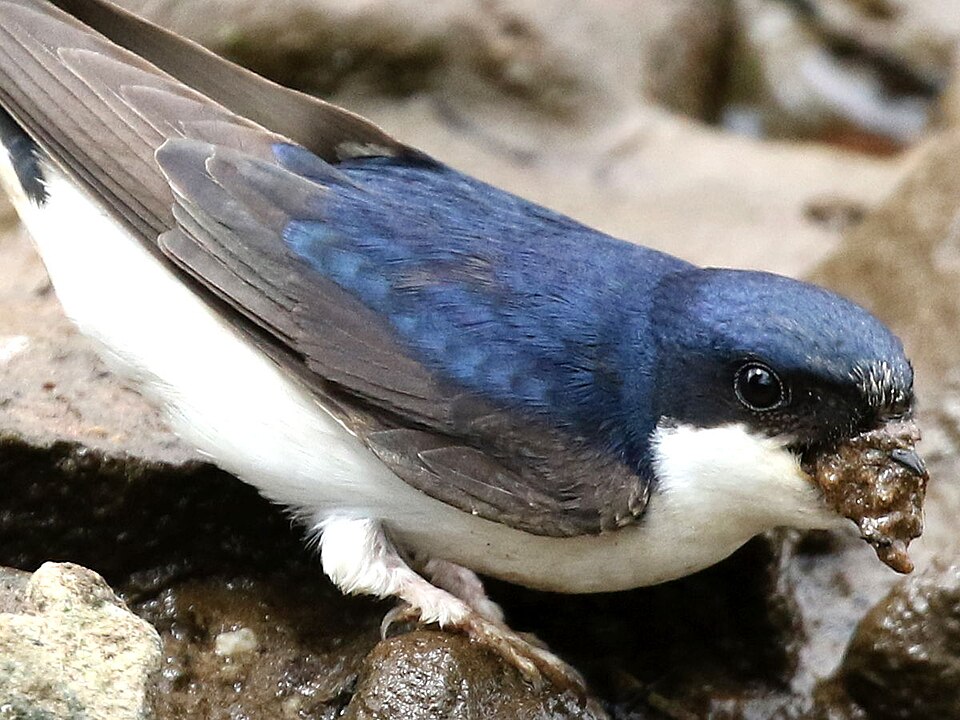 andorinha-dos-beirais-ocidental
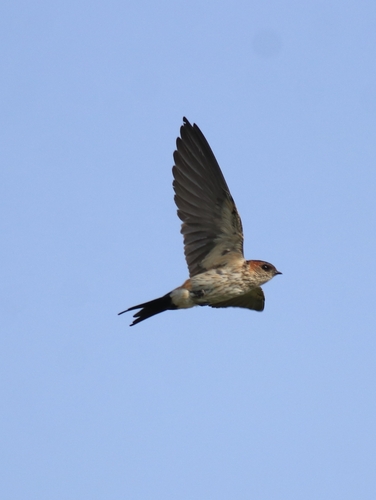 european/african/eastern red-rumped swallow
Em resumo
A maneira mais confiável de separar a andorinha-dos-beirais-ocidental da european/african/eastern european/african/eastern european/african/eastern red-rumped swallow é pela cor e extensão da cauda e pelo padrão das partes inferiores: a andorinha-dos-beirais mostra uma cauda branca brilhante e partes inferiores brancas puras e sem manchas, enquanto a european/african/eastern european/african/eastern european/african/eastern red-rumped swallow tem uma cauda castanha ou manchada e partes inferiores fortemente manchadas. Em voo, a cauda branca da andorinha-dos-beirais pisca distintamente, contrastando com suas partes superiores azul-negras e cauda curta e levemente bifurcada; a european/african/eastern european/african/eastern european/african/eastern red-rumped swallow mostra uma cauda castanha, uma cauda mais longa e profundamente bifurcada, e mais listras escuras abaixo. As andorinhas-dos-beirais juvenis podem parecer mais opacas e sujas, mas ainda assim carecem das fortes listras das partes inferiores de qualquer idade da european/african/eastern european/african/eastern european/african/eastern red-rumped swallow. Ambas as espécies são insetívoras aéreas, mas sua estrutura e estilo de voo diferem visivelmente quando vistas de perto.
Dicas de identificação
- Cor da cauda: A andorinha-dos-beirais sempre mostra uma cauda branca brilhante, que é conspícua em voo e em repouso; a european/african/eastern european/african/eastern european/african/eastern red-rumped swallow tem uma cauda castanha ou manchada, nunca branca. Esta é a marca de campo mais confiável em todas as idades e estações.
- Partes inferiores: A andorinha-dos-beirais tem partes inferiores e asas inferiores brancas puras e sem manchas; a european/african/eastern european/african/eastern european/african/eastern red-rumped swallow tem partes inferiores brancas fortemente manchadas com linhas escuras, visíveis mesmo à distância. As andorinhas-dos-beirais juvenis são mais opacas, mas ainda carecem de listras.
- Forma da cauda: A andorinha-dos-beirais tem uma cauda curta e levemente bifurcada; a european/african/eastern european/african/eastern european/african/eastern red-rumped swallow tem uma cauda mais longa e profundamente bifurcada, o que é especialmente notável em adultos. As european/african/eastern red-rumped swallows juvenis têm uma cauda mais curta, mas ainda mais longa que a andorinha-dos-beirais.
- Partes superiores: Ambas as espécies são azuis acima, mas o azul da andorinha-dos-beirais é mais brilhante e mais contrastante com a cauda branca; o azul da european/african/eastern european/african/eastern european/african/eastern red-rumped swallow é compensado pela cauda castanha e às vezes um colar avermelhado.
- Padrão do rosto: A european/african/eastern european/african/eastern european/african/eastern red-rumped swallow frequentemente mostra um colar avermelhado e um rosto pálido, enquanto o rosto da andorinha-dos-beirais é simples e azul-negro.
- Pernas e pés: As pernas e dedos da andorinha-dos-beirais são brancos e parecem pálidos se vistos de perto; as pernas da european/african/eastern european/african/eastern european/african/eastern red-rumped swallow não são plumosas e são menos conspícuas.
- Estilo de voo: A andorinha-dos-beirais é compacta, com batidas de asas rápidas e agitadas e uma cauda curta; a european/african/eastern european/african/eastern european/african/eastern red-rumped swallow é mais alongada, com um voo deslizante e gracioso e longas tiras de cauda.
- Postura empoleirada: A andorinha-dos-beirais parece compacta e de cauda curta quando empoleirada, muitas vezes em grupos apertados; a european/african/eastern european/african/eastern european/african/eastern red-rumped swallow parece mais longa, mais esbelta e geralmente se empoleira sozinha ou em grupos soltos.
- Confusão juvenil: As andorinhas-dos-beirais juvenis são sujas com algumas pontas brancas nas asas, mas sempre carecem de listras nas partes inferiores; as european/african/eastern red-rumped swallows juvenis são mais marrons, com uma cauda mais pálida e partes inferiores manchadas.
- Contexto de habitat: As andorinhas-dos-beirais são comuns em torno de edifícios e áreas urbanas; as european/african/eastern red-rumped swallows preferem áreas abertas, rurais ou montanhosas, raramente nidificando em ambientes urbanos densos.
- Tamanho da colônia: As andorinhas-dos-beirais frequentemente se reproduzem em grandes colônias, às vezes com dezenas de ninhos juntos; as european/african/eastern red-rumped swallows são menos coloniais.
- Manchas na cauda: A european/african/eastern european/african/eastern european/african/eastern red-rumped swallow pode mostrar manchas pálidas nas penas internas das penas externas da cauda, mas estas são frequentemente indistintas e não são uma marca de campo primária.
- Sobreposição sazonal: Ambas as espécies podem ocorrer juntas na migração, especialmente no sul da Europa e na Ásia; sempre verifique primeiro o padrão da cauda e das partes inferiores.
- Diferenças sexuais: Ambas as espécies são sexualmente monomórficas—machos e fêmeas se parecem, então todas as marcas de campo se aplicam a ambos os sexos.
- Impressão de tamanho: A andorinha-dos-beirais é distintamente menor e mais compacta que a european/african/eastern european/african/eastern european/african/eastern red-rumped swallow, embora isso seja melhor julgado com comparação direta ou experiência.
Tamanho
A andorinha-dos-beirais-ocidental é notavelmente menor, com cerca de 13 cm de comprimento, envergadura de 26–29 cm e peso médio de 18,3 g [wikipedia]. A european/african/eastern european/african/eastern european/african/eastern red-rumped swallow é maior, com cerca de 19 cm de comprimento, e tem uma cauda mais longa e profundamente bifurcada, contribuindo para uma aparência mais alongada em voo. Essa diferença de tamanho é sutil à distância, mas pode ser aparente quando ambas as espécies são vistas juntas ou comparadas a outras andorinhas.
Plumagem
As andorinhas-dos-beirais juvenis e adultas são azul-negras acima, com uma cauda branca brilhante e partes inferiores brancas puras, incluindo as asas inferiores. Os juvenis são mais opacos e sujos, com algumas pontas brancas nas coberturas das asas e penas, mas ainda mostram a cauda branca e carecem de qualquer listras nas partes inferiores. As european/african/eastern red-rumped swallows de todas as idades têm uma cauda castanha ou manchada (às vezes uniforme, às vezes com listras escuras dependendo da subespécie), partes superiores azuis e partes inferiores brancas fortemente manchadas com linhas escuras. Seu rosto frequentemente mostra um colar avermelhado, e a cauda é mais longa e mais profundamente bifurcada, com manchas pálidas às vezes visíveis nas penas da cauda. As european/african/eastern red-rumped swallows juvenis são mais opacas e marrons, com uma cauda mais pálida e cauda mais curta, mas sempre mostram algumas listras abaixo e carecem da aparência branca limpa da andorinha-dos-beirais.
Comportamento
Ambas as espécies são insetívoras aéreas, capturando insetos em voo. As andorinhas-dos-beirais-ocidentais frequentemente se reproduzem colonialmente, às vezes com ninhos em contato direto, e são frequentemente vistas perto de habitações humanas. Seu voo é rápido e ágil, com uma frequência de batidas de asas mais alta do que a andorinha-de-bando. As european/african/eastern red-rumped swallows são mais propensas a serem vistas sozinhas ou em grupos soltos, frequentemente em áreas abertas ou montanhosas, e seu voo é mais gracioso e deslizante, auxiliado por sua cauda mais longa. Empoleiradas, as andorinhas-dos-beirais frequentemente parecem compactas e de cauda curta, enquanto as european/african/eastern red-rumped swallows parecem mais longas e esbeltas.
Habitat
A andorinha-dos-beirais-ocidental é comum em áreas abertas e perto de assentamentos humanos em toda a Europa, Norte da África e Ásia ocidental/central, frequentemente nidificando em edifícios. A european/african/eastern european/african/eastern european/african/eastern red-rumped swallow prefere áreas abertas, frequentemente montanhosas, com clareiras e cultivo, e é mais típica de ambientes rurais ou menos urbanizados em sua faixa asiática e do sul da Europa. A sobreposição é possível na migração ou no sul da Europa, mas a andorinha-dos-beirais é muito mais provável em cidades e vilarejos.
andorinha-dos-beirais-ocidental · european/african/eastern red-rumped swallow · Minhas aves difíceis