

Motmot

ニシイワツバメ(urbicum/meridionale) 対 ヨーロッパコシアカツバメ/アフリカコシアカツバメ/コシアカツバメ

Delichon urbicum 対 Cecropis daurica

ニシイワツバメ(urbicum/meridionale)とヨーロッパコシアカツバメ/アフリカコシアカツバメ/コシアカツバメのクイズ
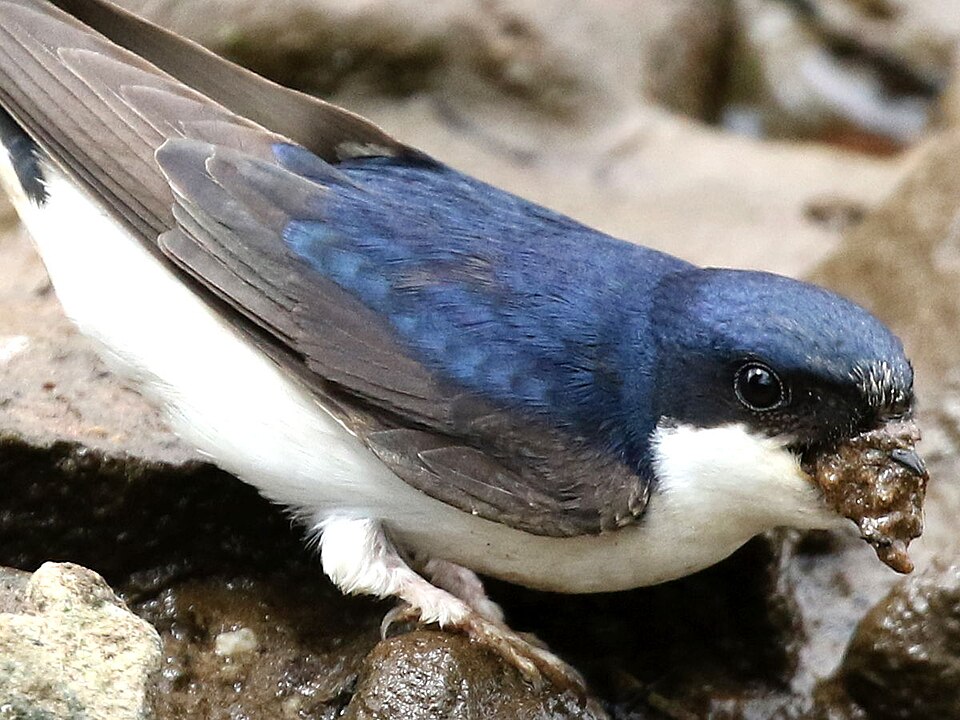
ニシイワツバメ(urbicum/meridionale) (Delichon urbicum) ニシイワツバメ(urbicum/meridionale)
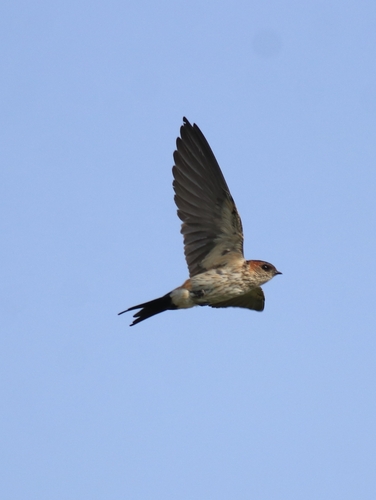
ヨーロッパコシアカツバメ/アフリカコシアカツバメ/コシアカツバメ (Cecropis daurica) ヨーロッパコシアカツバメ/アフリカコシアカツバメ/コシアカツバメ

メディア

読み込み中…

要点

ニシイワツバメとヨーロッパコシアカツバメを区別する最も信頼できる方法は、尾羽の色と範囲、そして腹部の模様によるものです。ニシイワツバメは明るい白い尾羽と純白で斑点のない腹部を示しますが、ヨーロッパコシアカツバメは栗色または斑点のある尾羽と重い斑点のある腹部を持っています。飛行中、ニシイワツバメの白い尾羽ははっきりと目立ち、青黒い上面と短くて浅く分かれた尾羽と対照的です。ヨーロッパコシアカツバメは栗色の尾羽、より長くて深く分かれた尾羽、そして下部により広範囲にわたる暗い斑点を示します。幼鳥のニシイワツバメは鈍くてすすけた外見を持つことがありますが、いかなる年齢のヨーロッパコシアカツバメの強い腹部の斑点は欠いています。両種は空中の昆虫食者ですが、構造と飛行スタイルはよく見ると明らかに異なります。

識別のコツ

  1. Rump color: ニシイワツバメは常に明るい白い尾羽を示し、飛行中や休息中に目立ちます。ヨーロッパコシアカツバメは栗色または斑点のある尾羽を持ち、決して白ではありません。これはすべての年齢と季節において最も信頼できるフィールドマークです。
  2. Underparts: ニシイワツバメは純白で斑点のない腹部と翼の下部を持っています。ヨーロッパコシアカツバメは暗い線で重く斑点のある白い腹部を持ち、遠くからでも見えます。幼鳥のニシイワツバメは鈍いですが、斑点は欠いています。
  3. Tail shape: ニシイワツバメは短くて浅く分かれた尾羽を持っています。ヨーロッパコシアカツバメはより長くて深く分かれた尾羽を持ち、特に成鳥で目立ちます。幼鳥のヨーロッパコシアカツバメは短い尾羽を持っていますが、ニシイワツバメよりは長いです。
  4. Upperparts: 両種は上面が青ですが、ニシイワツバメの青はより明るく、白い尾羽と対照的です。ヨーロッパコシアカツバメの青は栗色の尾羽や時には赤みがかった襟によって相殺されます。
  5. Face pattern: ヨーロッパコシアカツバメはしばしば赤みがかった襟と淡い顔を示しますが、ニシイワツバメの顔はシンプルで青黒いです。
  6. Legs and feet: ニシイワツバメの脚と足指は白い羽毛で覆われており、よく見ると淡く見えます。ヨーロッパコシアカツバメの脚は羽毛で覆われておらず、目立ちません。
  7. Flight style: ニシイワツバメはコンパクトで、速くてひらひらした羽ばたきと短い尾羽を持っています。ヨーロッパコシアカツバメはより細長く、滑らかで優雅な飛行をし、長い尾羽の流れがあります。
  8. Perched jizz: ニシイワツバメは止まっているときにコンパクトで短い尾羽に見え、しばしば密集した群れで見られます。ヨーロッパコシアカツバメはより長く、スリムに見え、通常は単独または緩い群れで止まります。
  9. Juvenile confusion: 幼鳥のニシイワツバメはすすけた外見で、翼に白い先端がありますが、常に腹部の斑点は欠いています。幼鳥のヨーロッパコシアカツバメはより茶色で、淡い尾羽と斑点のある腹部を持っています。
  10. Habitat context: ニシイワツバメは建物や都市部の周りで一般的です。ヨーロッパコシアカツバメは開けた農村や丘陵地帯を好み、密集した都市環境で巣を作ることは稀です。
  11. Colony size: ニシイワツバメはしばしば大きなコロニーで繁殖し、時には数十の巣が一緒にあります。ヨーロッパコシアカツバメはコロニーを作ることは少ないです。
  12. Tail patches: ヨーロッパコシアカツバメは外尾羽の内側の羽根に淡い斑点を示すことがありますが、これらはしばしば不明瞭で、主要なフィールドマークではありません。
  13. Seasonal overlap: 両種は移動中に一緒に見られることがあります、特に南ヨーロッパやアジアで。常に尾羽と腹部の模様を最初に確認してください。
  14. Sex differences: 両種は性別による形態の違いがなく、オスとメスは似ていますので、すべてのフィールドマークは両性に適用されます。
  15. Size impression: ニシイワツバメはヨーロッパコシアカツバメよりも明らかに小さく、コンパクトですが、これは直接比較または経験によって最もよく判断されます。

大きさ

ニシイワツバメは約13 cmの長さで、翼幅は26〜29 cm、平均体重は18.3 g [wikipedia]で、特に小さいです。ヨーロッパコシアカツバメはより大きく、約19 cmの長さで、より長くて深く分かれた尾羽を持ち、飛行中により細長い外観を与えます。このサイズの違いは遠くから見ると微妙ですが、両種が一緒に見られるか、他のツバメと比較されると明らかになります。

羽色

幼鳥と成鳥のニシイワツバメは上面が青黒く、明るい白い尾羽と純白の腹部を持ち、翼の下部も含まれます。幼鳥は鈍くてすすけた外見を持ち、翼の覆羽や羽軸に白い先端がありますが、白い尾羽を示し、腹部の斑点は欠いています。すべての年齢のヨーロッパコシアカツバメは栗色または斑点のある尾羽(時には均一、時には亜種によって暗い羽軸の斑点がある)を持ち、青い上面と暗い線で重く斑点のある白い腹部を持っています。彼らの顔はしばしば赤みがかった襟を示し、尾羽はより長くて深く分かれ、時には尾羽に淡い斑点が見えることがあります。幼鳥のヨーロッパコシアカツバメは鈍くて茶色で、淡い尾羽と短い尾羽を持っていますが、常に下部にいくつかの斑点を示し、ニシイワツバメの清潔な白い外観は欠いています。

行動

両種は空中の昆虫食者であり、飛行中に昆虫を捕まえます。ニシイワツバメはしばしばコロニーで繁殖し、時には巣が直接接触していることがあり、人間の居住地の近くで頻繁に見られます。彼らの飛行は速くて敏捷で、ツバメよりも高い羽ばたきの頻度を持っています。ヨーロッパコシアカツバメは単独または緩い群れで見られることが多く、開けた丘陵地帯でよく見られ、彼らの飛行はより優雅で滑らかで、長い尾羽によって助けられています。止まっているとき、ニシイワツバメはしばしばコンパクトで短い尾羽に見え、ヨーロッパコシアカツバメはより長く、スリムに見えます。

生息環境

ニシイワツバメはヨーロッパ、北アフリカ、西部および中央アジアの人間の居住地の近くや開けた国で一般的で、しばしば建物に巣を作ります。ヨーロッパコシアカツバメは開けた、しばしば丘陵地帯でのクリアリングや栽培を好み、アジアや南ヨーロッパの範囲では農村や都市化の少ない環境に典型的です。移動中や南ヨーロッパでは重なりが可能ですが、ニシイワツバメは町や都市で見られる可能性がはるかに高いです。

より良い説明を送る

比較と同じ項目を使ってください。文章はすぐに公開されます。

The most reliable way to separate Western House Martin from Red-rumped Swallow is by the color and extent of the rump and the pattern of the underparts: House Martin shows a bright white rump and pure white, unstreaked underparts, while Red-rumped Swallow has a chestnut or streaked rump and heavily streaked underparts. In flight, House Martin’s white rump flashes distinctly, contrasting with its blue-black upperparts and short, shallowly forked tail; Red-rumped Swallow shows a chestnut rump, a longer, deeply forked tail, and more extensive dark streaking below. Juvenile House Martins can appear duller and sootier but still lack the strong underpart streaking of any age Red-rumped Swallow. Both species are aerial insectivores, but their structure and flight style differ noticeably when seen well.

  1. Rump color: House Martin always shows a bright white rump, which is conspicuous in flight and at rest; Red-rumped Swallow has a chestnut or streaked rump, never white. This is the single most reliable field mark in all ages and seasons.
  2. Underparts: House Martin has pure white, unstreaked underparts and underwings; Red-rumped Swallow has white underparts heavily streaked with dark lines, visible even at a distance. Juvenile House Martins are duller but still lack streaking.
  3. Tail shape: House Martin has a short, shallowly forked tail; Red-rumped Swallow has a longer, deeply forked tail, which is especially noticeable in adults. Juvenile Red-rumped Swallows have a shorter tail but still longer than House Martin.
  4. Upperparts: Both species are blue above, but House Martin’s blue is brighter and more contrasting with the white rump; Red-rumped Swallow’s blue is offset by the chestnut rump and sometimes a reddish collar.
  5. Face pattern: Red-rumped Swallow often shows a reddish collar and a pale face, while House Martin’s face is plain and blue-black.
  6. Legs and feet: House Martin’s legs and toes are feathered white and appear pale if seen well; Red-rumped Swallow’s legs are not feathered and are less conspicuous.
  7. Flight style: House Martin is compact, with rapid, fluttery wingbeats and a short tail; Red-rumped Swallow is more elongated, with a gliding, graceful flight and long tail streamers.
  8. Perched jizz: House Martin looks compact and short-tailed when perched, often in tight groups; Red-rumped Swallow appears longer, sleeker, and usually perches singly or in loose groups.
  9. Juvenile confusion: Juvenile House Martins are sooty with some white tips on wings but always lack underpart streaking; juvenile Red-rumped Swallows are browner, with a paler rump and streaked underparts.
  10. Habitat context: House Martins are common around buildings and urban areas; Red-rumped Swallows prefer open, rural, or hilly areas, rarely nesting in dense urban settings.
  11. Colony size: House Martins often breed in large colonies, sometimes with dozens of nests together; Red-rumped Swallows are less colonial.
  12. Tail patches: Red-rumped Swallow may show pale patches on the inner webs of the outer tail feathers, but these are often indistinct and not a primary field mark.
  13. Seasonal overlap: Both species may occur together in migration, especially in southern Europe and Asia; always check rump and underpart pattern first.
  14. Sex differences: Both species are sexually monomorphic—males and females look alike, so all field marks apply to both sexes.
  15. Size impression: House Martin is distinctly smaller and more compact than Red-rumped Swallow, though this is best judged with direct comparison or experience.

Western House Martin is notably smaller, at about 13 cm in length with a wingspan of 26–29 cm and an average weight of 18.3 g [wikipedia]. Red-rumped Swallow is larger, around 19 cm long, and has a longer, more deeply forked tail, contributing to a more elongated appearance in flight. This size difference is subtle at a distance but can be apparent when both species are seen together or compared to other swallows.

Juvenile and adult Western House Martins are blue-black above with a bright white rump and pure white underparts, including the underwings. Juveniles are duller and sooty, with some white tips on wing coverts and quills, but still show the white rump and lack any underpart streaking. Red-rumped Swallows of all ages have a chestnut or streaked rump (sometimes uniform, sometimes with dark shaft streaks depending on subspecies), blue upperparts, and white underparts heavily streaked with dark lines. Their face often shows a reddish collar, and the tail is longer and more deeply forked, with pale patches sometimes visible on the tail feathers. Juvenile Red-rumped Swallows are duller and browner, with a paler rump and shorter tail, but always show some streaking below and lack the house martin’s clean white look.

Both species are aerial insectivores, catching insects on the wing. Western House Martins often breed colonially, sometimes with nests in direct contact, and are frequently seen near human habitation. Their flight is fast and agile, with a higher wingbeat frequency than Barn Swallow. Red-rumped Swallows are more likely to be seen singly or in loose groups, often in open or hilly country, and their flight is more graceful and gliding, aided by their longer tail. Perched, House Martins often look compact and short-tailed, while Red-rumped Swallows appear longer and sleeker.

Western House Martin is common in open country and near human settlements across Europe, North Africa, and western/central Asia, often nesting on buildings. Red-rumped Swallow prefers open, often hilly areas with clearings and cultivation, and is more typical of rural or less urbanized settings in its Asian and southern European range. Overlap is possible in migration or in southern Europe, but House Martin is much more likely in towns and cities.

変更を破棄しますか?

保存していない編集があります。今離れると失われます。

ニシイワツバメ(urbicum/meridionale) · ヨーロッパコシアカツバメ/アフリカコシアカツバメ/コシアカツバメ · 苦手な鳥