

Balestruccio vs European/African/Eastern Red-rumped Swallow
Delichon urbicum contro Cecropis daurica
Fai un quiz con Balestruccio e European/African/Eastern Red-rumped Swallow
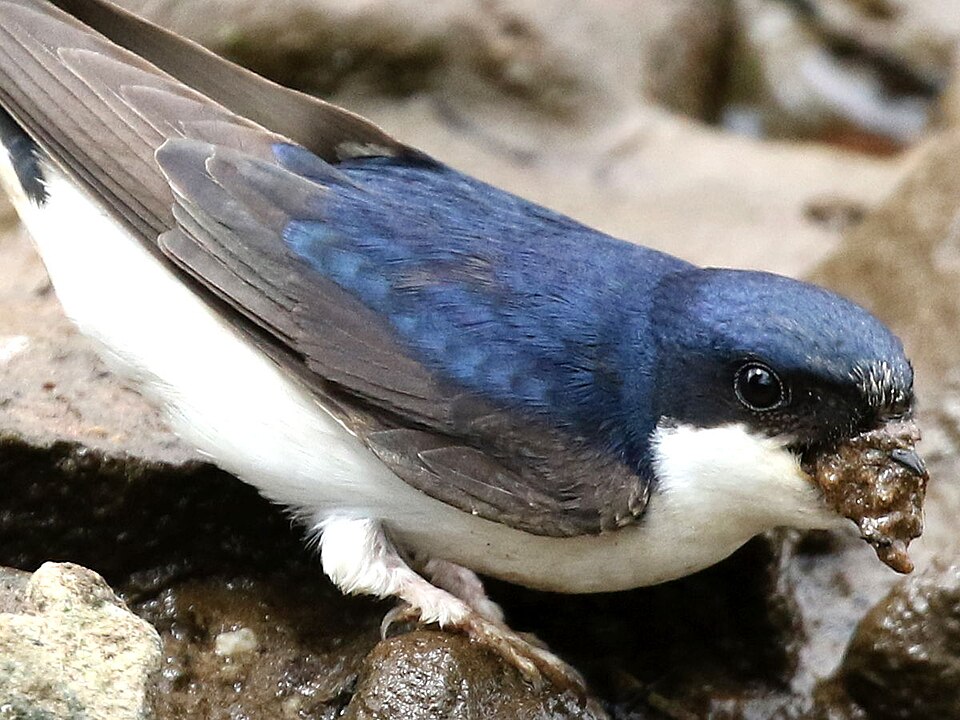 Balestruccio
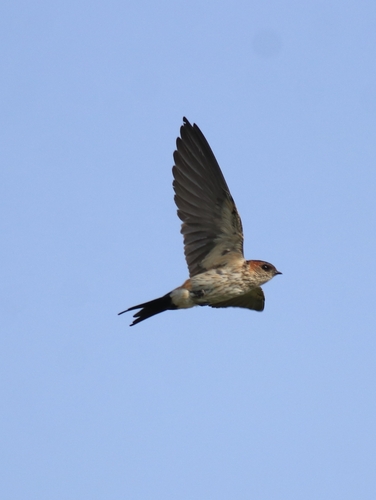 European/African/Eastern Red-rumped Swallow
In breve
Il modo più affidabile per separare il Balestruccio dalla Rondine è il colore e l'estensione del sottocoda e il modello delle parti inferiori: il Balestruccio mostra un sottocoda bianco brillante e parti inferiori bianche pure e non striate, mentre la Rondine ha un sottocoda castano o striato e parti inferiori fortemente striate. In volo, il sottocoda bianco del Balestruccio lampeggia distintamente, in contrasto con le sue parti superiori blu-nerastre e la coda corta e poco biforcuta; la Rondine mostra un sottocoda castano, una coda più lunga e profondamente biforcuta, e striature scure più estese sotto. I giovani Balestrucci possono apparire più opachi e fuligginosi ma mancano comunque delle forti striature delle parti inferiori di qualsiasi Rondine di età. Entrambe le specie sono insetti volanti aerei, ma la loro struttura e stile di volo differiscono notevolmente quando osservati bene.
Consigli di identificazione
- Colore del sottocoda: Il Balestruccio mostra sempre un sottocoda bianco brillante, che è evidente in volo e a riposo; la Rondine ha un sottocoda castano o striato, mai bianco. Questo è il segno di campo più affidabile in tutte le età e stagioni.
- Parti inferiori: Il Balestruccio ha parti inferiori bianche pure e non striate e sottoali; la Rondine ha parti inferiori bianche fortemente striate con linee scure, visibili anche da lontano. I giovani Balestrucci sono più opachi ma mancano comunque di striature.
- Forma della coda: Il Balestruccio ha una coda corta e poco biforcuta; la Rondine ha una coda più lunga e profondamente biforcuta, che è particolarmente evidente negli adulti. I giovani Rondini hanno una coda più corta ma comunque più lunga di quella del Balestruccio.
- Parti superiori: Entrambe le specie sono blu sopra, ma il blu del Balestruccio è più brillante e più contrastante con il sottocoda bianco; il blu della Rondine è compensato dal sottocoda castano e talvolta da un collare rossastro.
- Modello del viso: La Rondine mostra spesso un collare rossastro e un viso chiaro, mentre il viso del Balestruccio è semplice e blu-nerastro.
- Zampe e piedi: Le zampe e le dita del Balestruccio sono piumate di bianco e appaiono chiare se viste bene; le zampe della Rondine non sono piumate e sono meno evidenti.
- Stile di volo: Il Balestruccio è compatto, con battiti d'ali rapidi e svolazzanti e una coda corta; la Rondine è più allungata, con un volo planante e grazioso e lunghe streamers della coda.
- Aspetto da posato: Il Balestruccio appare compatto e con coda corta quando è posato, spesso in gruppi stretti; la Rondine appare più lunga, slanciata e di solito si posa singolarmente o in gruppi sciolti.
- Confusione giovanile: I giovani Balestrucci sono fuligginosi con alcune punte bianche sulle ali ma mancano sempre di striature delle parti inferiori; i giovani Rondini sono più marroni, con un sottocoda più chiaro e parti inferiori striate.
- Contesto dell'habitat: I Balestrucci sono comuni attorno agli edifici e nelle aree urbane; le Rondini preferiscono aree aperte, rurali o collinari, nidificando raramente in ambienti urbani densi.
- Dimensione della colonia: I Balestrucci spesso nidificano in grandi colonie, talvolta con dozzine di nidi insieme; le Rondini sono meno coloniali.
- Macchie sulla coda: La Rondine può mostrare macchie chiare sulle membrane interne delle piume esterne della coda, ma queste sono spesso indistinte e non un segno di campo primario.
- Sovrapposizione stagionale: Entrambe le specie possono verificarsi insieme in migrazione, specialmente nel sud Europa e in Asia; controlla sempre prima il sottocoda e il modello delle parti inferiori.
- Differenze sessuali: Entrambe le specie sono sessualmente monomorfiche: maschi e femmine si somigliano, quindi tutti i segni di campo si applicano a entrambi i sessi.
- Impressione di dimensione: Il Balestruccio è nettamente più piccolo e più compatto della Rondine, anche se questo è meglio giudicato con un confronto diretto o esperienza.
Taglia
Il Balestruccio è notevolmente più piccolo, con una lunghezza di circa 13 cm, un'apertura alare di 26–29 cm e un peso medio di 18,3 g [wikipedia]. La Rondine è più grande, lunga circa 19 cm, e ha una coda più lunga e profondamente biforcuta, contribuendo a un aspetto più allungato in volo. Questa differenza di dimensione è sottile a distanza ma può essere evidente quando entrambe le specie sono viste insieme o confrontate con altre rondini.
Piumaggio
I giovani e gli adulti Balestrucci sono blu-nerastri sopra con un sottocoda bianco brillante e parti inferiori bianche pure, comprese le sottoali. I giovani sono più opachi e fuligginosi, con alcune punte bianche sulle copritrici e penne, ma mostrano comunque il sottocoda bianco e mancano di qualsiasi striatura delle parti inferiori. Le Rondini di tutte le età hanno un sottocoda castano o striato (a volte uniforme, a volte con striature scure a seconda della sottospecie), parti superiori blu e parti inferiori bianche fortemente striate con linee scure. Il loro viso mostra spesso un collare rossastro, e la coda è più lunga e più profondamente biforcuta, con macchie chiare a volte visibili sulle piume della coda. I giovani Rondini sono più opachi e marroni, con un sottocoda più chiaro e una coda più corta, ma mostrano sempre alcune striature sotto e mancano dell'aspetto bianco pulito del Balestruccio.
Comportamento
Entrambe le specie sono insetti volanti aerei, catturando insetti in volo. I Balestrucci spesso nidificano colonialmente, talvolta con nidi in contatto diretto, e sono frequentemente visti vicino agli insediamenti umani. Il loro volo è veloce e agile, con una frequenza di battiti d'ali più alta rispetto alla Rondine. Le Rondini sono più propense a essere viste singolarmente o in gruppi sciolti, spesso in aree aperte o collinari, e il loro volo è più grazioso e planante, facilitato dalla loro coda più lunga. Posati, i Balestrucci spesso appaiono compatti e con coda corta, mentre le Rondini appaiono più lunghe e slanciate.
Habitat
Il Balestruccio è comune in campagna aperta e vicino agli insediamenti umani in tutta Europa, Nord Africa e Asia occidentale/centrale, nidificando spesso sugli edifici. La Rondine preferisce aree aperte, spesso collinari, con radure e coltivazioni, ed è più tipica di ambienti rurali o meno urbanizzati nella sua gamma asiatica e del sud Europa. È possibile una sovrapposizione in migrazione o nel sud Europa, ma il Balestruccio è molto più probabile nelle città e nei paesi.
Balestruccio · European/African/Eastern Red-rumped Swallow · I miei uccelli difficili