

west indian whistling-duck vs talha-mar
Dendrocygna arborea versus Rynchops niger
Jogue um quiz com west indian whistling-duck e talha-mar
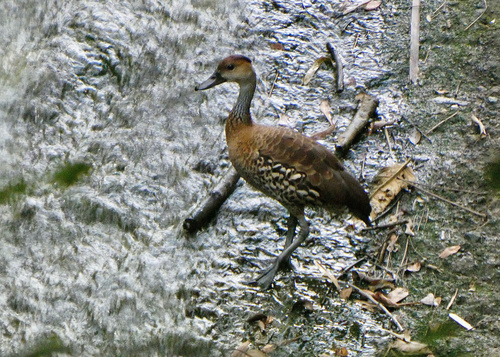 west indian whistling-duck
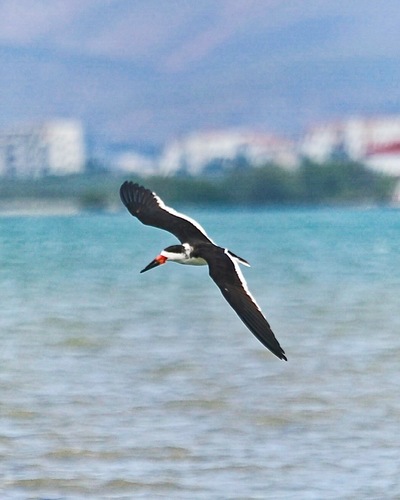 talha-mar
Em resumo
A maneira mais confiável de separar o west indian whistling-duck do talha-mar é pela estrutura e forma do bico: o pato é um pássaro de corpo robusto e pescoço longo, com um bico grosso e totalmente preto, enquanto o talha-mar é muito mais esbelto, com asas extremamente longas e um bico vermelho e preto único, onde a mandíbula inferior é muito mais longa que a superior. Em voo, o talha-mar exibe asas longas e pontudas e uma borda traseira branca marcante, enquanto o pato tem asas largas e não apresenta tal contraste. As plumagens juvenis e imaturas não são facilmente confundidas, mas as plumagens adultas podem causar confusão à distância, especialmente quando empoleiradas. O habitat e o comportamento também diferem fortemente: o pato é encontrado em áreas úmidas de água doce ou salobra, enquanto o talha-mar é estritamente costeiro ou em grandes corpos d'água abertos.
Dicas de identificação
- Forma e cor do bico: O west indian whistling-duck tem um bico grosso, reto e totalmente preto; o talha-mar tem um bico longo e comprimido lateralmente, com uma base vermelha e ponta preta, e a mandíbula inferior é muito mais longa que a superior (único entre os pássaros). Isso é visível mesmo à distância com boa luz.
- Cabeça e pescoço: O pato tem um pescoço longo e uma cabeça grande, com um pescoço e face claros contrastando com uma coroa e costas escuras. O talha-mar tem um pescoço mais curto, uma cabeça com coroa plana e um boné preto afiado com uma testa branca.
- Padrão das asas em voo: O talha-mar de todas as idades mostra uma borda traseira branca proeminente na asa superior e uma asa inferior branca ou clara, contrastando com as partes superiores pretas. A asa superior do pato é uniformemente escura, sem qualquer borda ou painel branco.
- Forma do corpo e postura: O pato é volumoso, com peito profundo, e se senta alto na água ou fica ereto em terra. O talha-mar é esbelto, alongado e se senta baixo, muitas vezes em uma postura horizontal em bancos de areia.
- Cor das pernas: O pato tem pernas escuras; as pernas do talha-mar são vermelhas brilhantes, especialmente óbvias quando está em pé ou em voo.
- Cauda: A cauda do talha-mar é cinza escuro com bordas brancas; a cauda do pato não é distintiva.
- Confusão juvenil/imatura: Patos juvenis são mais apagados, mas ainda mostram a mesma estrutura e bico; talha-mares imaturos têm partes superiores marrons com franjas brancas, mas mantêm o bico e padrão de asas únicos.
- Contraste da plumagem: As partes inferiores do pato são brancas com marcas pretas pesadas, especialmente na barriga; as partes inferiores do talha-mar são brancas limpas, sem marcas pesadas.
- Habitat: Patos estão em áreas úmidas vegetadas, manguezais ou lagoas; talha-mares estão em costas abertas, bancos de areia ou grandes lagos.
- Comportamento: Talha-mares são frequentemente vistos voando baixo sobre a água, raspando com seu bico; patos nadam ou andam, raramente voam baixo sobre água aberta da mesma maneira.
- Estilo de voo: Talha-mares têm asas longas e pontudas e um voo flutuante e gracioso; patos são estáveis, com asas largas e batidas de asa mais lentas.
- Voz: O talha-mar emite um chamado áspero "kak-kak-kak"; o pato emite chamados de assobio.
- Postura empoleirada: Talha-mares descansam planos no chão, muitas vezes em grupos; patos ficam mais eretos ou podem se empoleirar em troncos ou árvores.
- Impressão de tamanho: O pato parece muito mais pesado e volumoso que o talha-mar, que é esbelto e delicado, apesar de suas longas asas.
- Confusão sazonal: Ambas as espécies podem estar presentes no Caribe no inverno, mas o habitat e a estrutura permanecem confiáveis para separação.
Tamanho
O west indian whistling-duck é substancialmente mais pesado e volumoso, com fêmeas pesando entre 800–1.320 g e machos entre 760–1.240 g, aproximadamente do tamanho de um pato-real [wikipedia]. Em contraste, o talha-mar é muito mais leve, com uma massa média adulta de cerca de 301,5 g [wikidata], e é visivelmente mais esbelto e alongado em voo. O pato mede de 48 a 58 cm de comprimento, enquanto o talha-mar mede de 40 a 50 cm de comprimento, mas com uma envergadura muito maior (107–127 cm contra a envergadura mais modesta do pato). O corpo do pato é profundo e robusto, enquanto o talha-mar é de corpo estreito e asas longas.
Plumagem
Os west indian whistling-ducks juvenis são mais apagados que os adultos, com menos contraste na barriga, mas ainda mostram um pescoço e face claros, coroa, costas, peito e asas de marrom escuro a preto, e partes inferiores brancas fortemente marcadas. Todas as idades têm uma asa superior escura e sem marcas em voo, sem qualquer borda branca. Os adultos do talha-mar em plumagem de reprodução têm um contraste acentuado entre as partes superiores pretas (incluindo asas e coroa) e as partes inferiores e testa brancas, com uma borda traseira branca proeminente na asa superior em voo. Talha-mares imaturos têm partes superiores marrons com pontas e franjas brancas, mas ainda mostram a borda traseira branca e as partes inferiores brancas. A asa inferior do talha-mar é branca a cinza escuro, enquanto a asa inferior do pato não é descrita como contrastante. A cauda e o rabo do talha-mar são cinza escuro com bordas brancas, enquanto a cauda do pato não é distintiva. A cor do bico é uma diferença chave: o bico do pato é totalmente preto, enquanto o do talha-mar é vermelho na base e preto na ponta, com uma mandíbula inferior dramaticamente mais longa.
Comportamento
O west indian whistling-duck é tipicamente visto nadando ou andando em áreas úmidas, muitas vezes em pequenos grupos, e tem um voo lento e constante com asas largas. O talha-mar é quase sempre visto em bandos ao longo de costas ou grandes corpos d'água, voando baixo sobre a água com batidas de asa lentas e graciosas, e frequentemente se alimentando ao raspar a superfície com sua mandíbula inferior. Talha-mares raramente nadam e geralmente são vistos descansando em bancos de areia ou praias. O pato pode se empoleirar em árvores ou no chão, enquanto o talha-mar é estritamente de repouso no chão.
Habitat
O west indian whistling-duck é encontrado em áreas úmidas de água doce ou salobra, lagoas e manguezais em todo o Caribe [wikipedia]. Ele evita costas abertas. O talha-mar nidifica e repousa em praias de areia, bancos de areia e lagoas costeiras, e raramente é encontrado longe de grandes águas abertas, especialmente ambientes de água salgada ou salobra. Se você ver o pássaro em um ambiente costeiro, especialmente em uma praia ou banco de areia, é quase certamente um talha-mar; em áreas úmidas vegetadas ou manguezais, é o pato.
Voz
O talha-mar emite um chamado distintivo de latido "kak-kak-kak", frequentemente ouvido em voo ou em colônias. O west indian whistling-duck, como outros patos assobiadores, emite chamados agudos e assobiantes, mas estes não são descritos em detalhes aqui. O chamado do talha-mar é muito mais áspero e abrupto do que qualquer assobio de pato.
west indian whistling-duck · talha-mar · Minhas aves difíceis