

West Indian Whistling-Duck vs Black Skimmer
Dendrocygna arborea contro Rynchops niger
Fai un quiz con West Indian Whistling-Duck e Black Skimmer
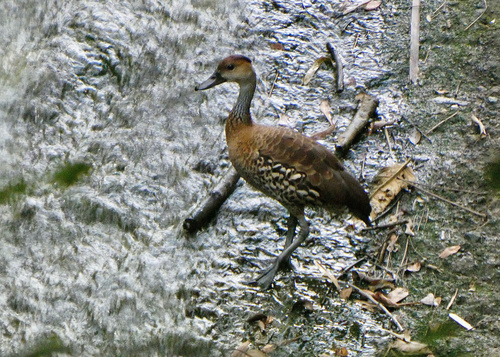 West Indian Whistling-Duck
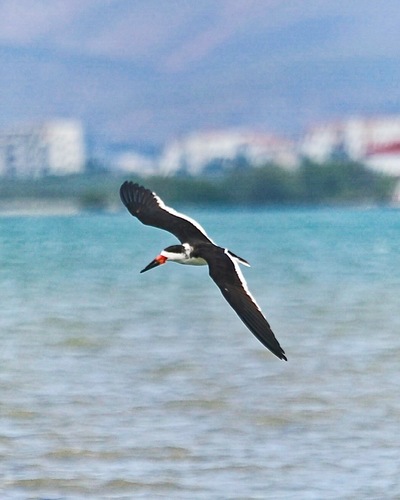 Black Skimmer
In breve
Il modo più affidabile per separare il West Indian Whistling-Duck dal Black Skimmer è attraverso la struttura e la forma del becco: l'anatra è un uccello dal corpo pesante e dal collo lungo con un becco spesso, completamente nero, mentre il skimmer è molto più snello, con ali estremamente lunghe e un becco unico rosso e nero in cui la mandibola inferiore è molto più lunga di quella superiore. In volo, il Black Skimmer mostra ali lunghe e appuntite e un sorprendente bordo bianco, mentre l'anatra ha ali larghe e non presenta tale contrasto. Le piume giovanili e immature non sono facilmente confuse, ma le piume adulte possono causare confusione a distanza, specialmente quando sono posate. L'habitat e il comportamento differiscono anche fortemente: l'anatra si trova in zone umide dolci o salmastre, mentre il skimmer è strettamente costiero o su grandi corpi d'acqua aperta.
Consigli di identificazione
- Bill shape and color: Il West Indian Whistling-Duck ha un becco spesso, dritto e completamente nero; il Black Skimmer ha un becco lungo, compresso lateralmente, con una base rossa e una punta nera, e la mandibola inferiore è molto più lunga di quella superiore (unico tra gli uccelli). Questo è visibile anche a distanza con buona luce.
- Head and neck: L'anatra ha un collo lungo e una grande testa, con un collo e una faccia pallidi che contrastano con una corona e un dorso scuri. Il skimmer ha un collo più corto, una testa piatta e un cappello nero affilato con una fronte bianca.
- Wing pattern in flight: Il Black Skimmer di tutte le età mostra un prominente bordo bianco sull'ala superiore e un'ala inferiore bianca o pallida, in contrasto con le parti superiori nere. L'ala superiore dell'anatra è uniformemente scura, priva di qualsiasi bordo o pannello bianco.
- Body shape and posture: L'anatra è ingombrante, con un petto profondo, e si siede alta nell'acqua o sta eretta sulla terra. Il skimmer è snello, allungato e si siede basso, spesso in una postura orizzontale sulle secche.
- Leg color: L'anatra ha zampe scure; le zampe del skimmer sono di un rosso brillante, particolarmente evidenti quando è in piedi o in volo.
- Tail: La coda del skimmer è grigia scura con bordi bianchi; la coda dell'anatra non è distintiva.
- Juvenile/immature confusion: Le anatre giovanili sono più opache ma mostrano comunque la stessa struttura e becco; i skimmer immaturi hanno parti superiori marroni con frange bianche, ma mantengono il becco unico e il pattern delle ali.
- Plumage contrast: Le parti inferiori dell'anatra sono bianche con pesanti marcature nere, specialmente sul ventre; le parti inferiori del skimmer sono bianche pulite, senza marcature pesanti.
- Habitat: Le anatre si trovano in zone umide vegetate, mangrovie o stagni; i skimmer si trovano su coste aperte, secche o grandi laghi.
- Behavior: I skimmer sono spesso visti volare bassi sull'acqua, strisciando con il loro becco; le anatre nuotano o camminano, raramente volano bassi su acque aperte nello stesso modo.
- Flight style: I skimmer hanno ali lunghe e appuntite e un volo galleggiante e aggraziato; le anatre sono stabili, con ali larghe e battiti d'ali più lenti.
- Voice: Il skimmer emette un ruvido "kak-kak-kak"; l'anatra emette richiami fischianti.
- Perched posture: I skimmer si riposano piatti a terra, spesso in gruppi; le anatre stanno più erette o possono posarsi su tronchi o alberi.
- Size impression: L'anatra appare molto più pesante e ingombrante rispetto al skimmer, che è snello e delicato nonostante le sue lunghe ali.
- Seasonal confusion: Entrambe le specie possono essere presenti nei Caraibi in inverno, ma l'habitat e la struttura rimangono affidabili per la separazione.
Taglia
Il West Indian Whistling-Duck è sostanzialmente più pesante e ingombrante, con femmine che pesano 800–1.320 g e maschi 760–1.240 g, circa della dimensione di un Germano reale [wikipedia]. Al contrario, il Black Skimmer è molto più leggero, con una massa media adulta di circa 301,5 g [wikidata], ed è visibilmente più snello e allungato in volo. L'anatra è lunga 48–58 cm, mentre il skimmer è lungo 40–50 cm ma con un'apertura alare molto più lunga (107–127 cm contro l'apertura più modesta dell'anatra). Il corpo dell'anatra è profondo e robusto, mentre il skimmer è di corpo stretto e con ali lunghe.
Piumaggio
I giovani West Indian Whistling-Ducks sono più opachi rispetto agli adulti, con meno contrasto sul ventre, ma mostrano comunque un collo e una faccia pallidi, una corona, un dorso, un petto e ali di colore marrone scuro a nero, e parti inferiori pesantemente marcate in bianco. Tutte le età hanno un'ala superiore scura e non marcata in volo, priva di qualsiasi bordo bianco. Gli adulti del Black Skimmer in piumaggio riproduttivo hanno un forte contrasto tra le parti superiori nere (incluse ali e corona) e le parti inferiori e la fronte bianche, con un prominente bordo bianco sull'ala superiore in volo. I skimmer immaturi hanno parti superiori marroni con punte e frange bianche, ma mostrano comunque il bordo bianco e le parti inferiori bianche. L'ala inferiore del skimmer è bianca a grigia scura, mentre l'ala inferiore dell'anatra non è descritta come contrastante. La coda e il dorso del skimmer sono grigi scuri con bordi bianchi, mentre la coda dell'anatra non è distintiva. Il colore del becco è una differenza chiave: il becco dell'anatra è completamente nero, mentre quello del skimmer è rosso alla base e nero alla punta, con una mandibola inferiore drammaticamente più lunga.
Comportamento
Il West Indian Whistling-Duck è tipicamente visto nuotare o camminare in zone umide, spesso in piccoli gruppi, e ha un volo lento e costante con ali larghe. Il Black Skimmer è quasi sempre visto in stormi lungo le coste o grandi corpi d'acqua, volando basso sull'acqua con battiti d'ali lenti e aggraziati, e spesso si nutre strisciando sulla superficie con la sua mandibola inferiore. I skimmer raramente nuotano e sono solitamente visti riposare su secche o spiagge. L'anatra può posarsi sugli alberi o a terra, mentre il skimmer è strettamente terrestre.
Habitat
Il West Indian Whistling-Duck si trova in zone umide dolci o salmastre, stagni e mangrovie in tutto il Caribe [wikipedia]. Evita le coste aperte. Il Black Skimmer nidifica e si riposa su spiagge sabbiose, secche e lagune costiere, ed è raramente trovato lontano da grandi acque aperte, specialmente ambienti salati o salmastri. Se vedi l'uccello in un ambiente costiero, specialmente su una spiaggia o una secca, è quasi certamente un skimmer; in zone umide vegetate o mangrovie, è l'anatra.
Voce
Il Black Skimmer emette un distintivo richiamo ringhioso "kak-kak-kak", spesso udito in volo o nelle colonie. Il West Indian Whistling-Duck, come altri anatre fischianti, emette richiami fischianti ad alta tonalità, ma questi non sono descritti in dettaglio qui. Il richiamo del skimmer è molto più ruvido e brusco rispetto a qualsiasi fischio d'anatra.
West Indian Whistling-Duck · Black Skimmer · I miei uccelli difficili