

Motmot

ハシグロリュウキュウガモ 対 クロハサミアジサシ

Dendrocygna arborea 対 Rynchops niger

ハシグロリュウキュウガモとクロハサミアジサシのクイズ
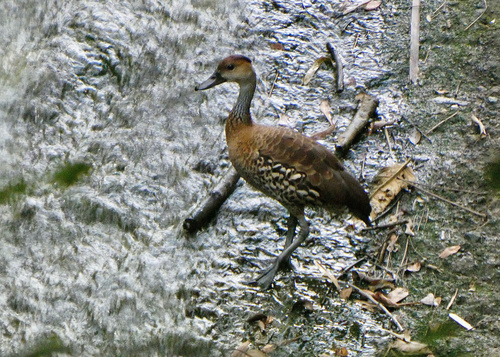
ハシグロリュウキュウガモ (Dendrocygna arborea) ハシグロリュウキュウガモ
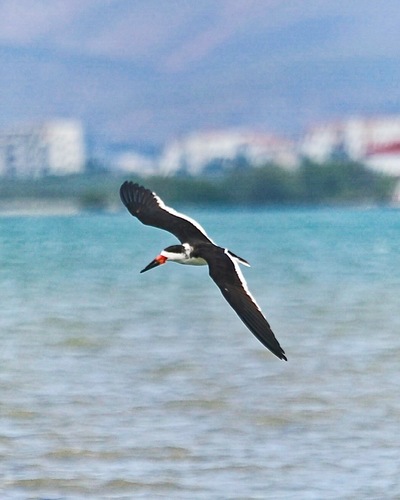
クロハサミアジサシ (Rynchops niger) クロハサミアジサシ

メディア

読み込み中…

要点

西インディアンウィスリングダックとクロハサミアジサシを区別する最も信頼できる方法は、構造とくちばしの形状です:ダックは重い体を持ち、長い首を持つ鳥で、厚く完全に黒いくちばしを持っていますが、ハサミアジサシははるかに細く、非常に長い翼と、下顎が上顎よりもはるかに長い独特の赤と黒のくちばしを持っています。飛行中、クロハサミアジサシは長く尖った翼と目を引く白い後縁を示し、ダックは広い翼を持ち、そのようなコントラストはありません。幼鳥と未成熟の羽毛は簡単に混同されることはありませんが、成鳥の羽毛は特に止まっているときに遠くから混乱を引き起こす可能性があります。生息地と行動も大きく異なります:ダックは淡水または塩水湿地に生息し、ハサミアジサシは厳密に沿岸または大きな開水域に生息しています。

識別のコツ

  1. くちばしの形と色: 西インディアンウィスリングダックは厚く、真っ直ぐで完全に黒いくちばしを持っています;クロハサミアジサシは赤い基部と黒い先端を持つ長く横に圧縮されたくちばしを持ち、下顎は上顎よりもはるかに長い(鳥類の中で独特です)。これは良い光の下で遠くからでも見ることができます。
  2. 頭と首: ダックは長い首と大きな頭を持ち、淡い前首と顔が暗い冠と背中と対照的です。ハサミアジサシは短い首を持ち、平らな頭部と白い額を持つ鋭い黒い帽子があります。
  3. 飛行中の翼のパターン: すべての年齢のクロハサミアジサシは、上翼の目立つ白い後縁と白または淡い下翼を示し、黒い上面と対照的です。ダックの上翼は均一に暗く、白い後縁やパネルはありません。
  4. 体の形と姿勢: ダックは大きく、胸が深く、水中で高く座ったり、陸上で直立したりします。ハサミアジサシは細く、細長く、低く座り、しばしば砂州の水平姿勢でいます。
  5. 脚の色: ダックは暗い脚を持っています;ハサミアジサシの脚は明るい赤で、特に立っているときや飛んでいるときに目立ちます。
  6. 尾: ハサミアジサシの尾は暗い灰色で白い縁があります;ダックの尾は特徴的ではありません。
  7. 幼鳥/未成熟の混同: 幼鳥のダックは鈍い色ですが、同じ構造とくちばしを示します;未成熟のハサミアジサシは白い縁のある茶色の上面を持っていますが、独特のくちばしと翼のパターンを保持しています。
  8. 羽毛のコントラスト: ダックの下部は白で、特に腹部に重い黒い斑点があります;ハサミアジサシの下部は清潔な白で、重い斑点はありません。
  9. 生息地: ダックは植生のある湿地、マングローブ、または池にいます;ハサミアジサシは開けた海岸、砂州、大きな湖にいます。
  10. 行動: ハサミアジサシはしばしば水面を低く飛び、くちばしで水面をすくいながら飛ぶ姿が見られます;ダックは泳いだり歩いたりし、同じように水面を低く飛ぶことはめったにありません。
  11. 飛行スタイル: ハサミアジサシは長く尖った翼を持ち、浮遊感のある優雅な飛行をします;ダックは安定しており、広い翼と遅い羽ばたきを持っています。
  12. 声: ハサミアジサシは厳しい「カクカクカク」と鳴きます;ダックは笛のような鳴き声を出します。
  13. 止まっている姿勢: ハサミアジサシは地面に平らに休み、しばしば群れでいます;ダックはより直立して立ったり、丸太や木に止まることがあります。
  14. サイズの印象: ダックはハサミアジサシよりもはるかに重く、がっしりとした印象を与えますが、ハサミアジサシは細くて繊細です。
  15. 季節的な混同: 両種は冬にカリブ海に存在する可能性がありますが、生息地と構造は区別のために信頼できます。

大きさ

西インディアンウィスリングダックはかなり重く、がっしりしており、雌は800–1,320 g、雄は760–1,240 gで、マガモと同じくらいのサイズです [wikipedia]。対照的に、クロハサミアジサシははるかに軽く、平均成体の質量は約301.5 gです [wikidata]。ダックは48–58 cmの長さですが、ハサミアジサシは40–50 cmの長さですが、翼幅ははるかに長く(107–127 cm対ダックのより控えめな幅)です。ダックの体は胸が深く頑丈ですが、ハサミアジサシは細長い体と長い翼を持っています。

羽色

幼鳥の西インディアンウィスリングダックは成鳥よりも鈍い色をしており、腹部のコントラストが少ないですが、淡い前首と顔、暗い茶色から黒の冠、背中、胸、翼、そして重い斑点のある白い下部を示します。すべての年齢の個体は、飛行中に暗く、斑点のない上翼を持ち、白い後縁はありません。繁殖羽毛のクロハサミアジサシの成鳥は、黒い上面(翼と冠を含む)と白い下部と額との間に鋭いコントラストを持ち、飛行中の上翼には目立つ白い後縁があります。未成熟のハサミアジサシは白い羽毛の先端と縁を持つ茶色の上面を持っていますが、白い後縁と白い下部を示します。ハサミアジサシの下翼は白から灰色がかった白で、ダックの下翼はコントラストがあるとは記述されていません。ハサミアジサシの尾と臀部は暗い灰色で白い縁があり、ダックの尾は特徴的ではありません。くちばしの色は重要な違いです:ダックのくちばしは完全に黒いですが、ハサミアジサシのくちばしは基部が赤く、先端が黒で、下顎が劇的に長いです。

行動

西インディアンウィスリングダックは通常、湿地で泳いだり歩いたりしている姿が見られ、小さな群れで行動し、広い翼で遅く安定した飛行をします。クロハサミアジサシはほぼ常に沿岸や大きな水域で群れで見られ、水面を低く飛び、遅く優雅な羽ばたきで飛び、しばしば下顎で水面をすくって餌を取ります。ハサミアジサシは泳ぐことはほとんどなく、通常は砂州やビーチで休んでいる姿が見られます。ダックは木や地面に止まることがありますが、ハサミアジサシは厳密に地面に止まります。

生息環境

西インディアンウィスリングダックはカリブ海全体の淡水または塩水湿地、池、マングローブに生息しています [wikipedia]。開けた海岸を避けます。クロハサミアジサシは砂浜、砂州、沿岸の潟に繁殖し、特に塩水または塩水環境から離れて見られることはほとんどありません。もし海岸の環境、特にビーチや砂州で鳥を見かけた場合、それはほぼ確実にハサミアジサシです;植生のある湿地やマングローブでは、それはダックです。

声

クロハサミアジサシは特徴的な吠える「カクカクカク」という鳴き声を出し、飛行中やコロニーでよく聞かれます。西インディアンウィスリングダックは他のウィスリングダックと同様に高音の笛のような鳴き声を出しますが、これについては詳細に記述されていません。ハサミアジサシの鳴き声は、どのダックの笛よりもはるかに厳しく、急激です。

より良い説明を送る

比較と同じ項目を使ってください。文章はすぐに公開されます。

The most reliable way to separate West Indian Whistling-Duck from Black Skimmer is by structure and bill shape: the duck is a heavy-bodied, long-necked bird with a thick, entirely black bill, while the skimmer is much slimmer, with extremely long wings and a unique red-and-black bill where the lower mandible is much longer than the upper. In flight, Black Skimmer shows long, pointed wings and a striking white trailing edge, while the duck is broad-winged and lacks such contrast. Juvenile and immature plumages are not easily confused, but adult plumages can cause confusion at a distance, especially when perched. Habitat and behavior also differ strongly: the duck is found in freshwater or brackish wetlands, while the skimmer is strictly coastal or on large open water bodies.

  1. Bill shape and color: West Indian Whistling-Duck has a thick, straight, entirely black bill; Black Skimmer has a long, laterally compressed bill with a red base and black tip, and the lower mandible is much longer than the upper (unique among birds). This is visible even at a distance with good light.
  2. Head and neck: The duck has a long neck and large head, with a pale foreneck and face contrasting with a dark crown and back. The skimmer has a shorter neck, a flat-crowned head, and a sharp black cap with a white forehead.
  3. Wing pattern in flight: Black Skimmer of all ages shows a prominent white trailing edge to the upperwing and a white or pale underwing, contrasting with black upperparts. The duck's upperwing is uniformly dark, lacking any white trailing edge or panel.
  4. Body shape and posture: The duck is bulky, deep-chested, and sits high in the water or stands upright on land. The skimmer is slim, elongated, and sits low, often in a horizontal posture on sandbars.
  5. Leg color: The duck has dark legs; the skimmer's legs are bright red, especially obvious when standing or in flight.
  6. Tail: The skimmer's tail is dark grey with white edges; the duck's tail is not distinctive.
  7. Juvenile/immature confusion: Juvenile ducks are duller but still show the same structure and bill; immature skimmers have brown upperparts with white fringes, but retain the unique bill and wing pattern.
  8. Plumage contrast: The duck's underparts are white with heavy black markings, especially on the belly; the skimmer's underparts are clean white, with no heavy markings.
  9. Habitat: Ducks are in vegetated wetlands, mangroves, or ponds; skimmers are on open coasts, sandbars, or large lakes.
  10. Behavior: Skimmers are often seen flying low over water, skimming with their bill; ducks swim or walk, rarely fly low over open water in the same manner.
  11. Flight style: Skimmers have long, pointed wings and a buoyant, graceful flight; ducks are steady, with broad wings and slower wingbeats.
  12. Voice: Skimmer gives a harsh "kak-kak-kak"; duck gives whistling calls.
  13. Perched posture: Skimmers rest flat on the ground, often in groups; ducks stand more upright or may perch on logs or in trees.
  14. Size impression: The duck appears much heavier and bulkier than the skimmer, which is slim and delicate despite its long wings.
  15. Seasonal confusion: Both species may be present in the Caribbean in winter, but habitat and structure remain reliable for separation.

West Indian Whistling-Duck is substantially heavier and bulkier, with females weighing 800–1,320 g and males 760–1,240 g, about the size of a Mallard [wikipedia]. In contrast, Black Skimmer is much lighter, with an average adult mass of about 301.5 g [wikidata], and is noticeably slimmer and more elongated in flight. The duck is 48–58 cm long, while the skimmer is 40–50 cm long but with a much longer wingspan (107–127 cm vs. the duck's more modest span). The duck's body is deep-chested and robust, while the skimmer is narrow-bodied and long-winged.

Juvenile West Indian Whistling-Ducks are duller than adults, with less contrast on the belly, but still show a pale foreneck and face, dark brown to black crown, back, breast, and wings, and heavily marked white underparts. All ages have a dark, unmarked upperwing in flight, lacking any white trailing edge. Black Skimmer adults in breeding plumage have a sharp contrast between black upperparts (including wings and crown) and white underparts and forehead, with a prominent white trailing edge on the upperwing in flight. Immature skimmers have brown upperparts with white feather tips and fringes, but still show the white trailing edge and white underparts. The skimmer's underwing is white to dusky grey, while the duck's underwing is not described as contrasting. The skimmer's tail and rump are dark grey with white edges, while the duck's tail is not distinctive. Bill color is a key difference: the duck's bill is entirely black, while the skimmer's is red at the base and black at the tip, with a dramatically longer lower mandible.

West Indian Whistling-Duck is typically seen swimming or walking in wetlands, often in small groups, and has a slow, steady flight with broad wings. Black Skimmer is almost always seen in flocks along coasts or large water bodies, flying low over the water with slow, graceful wingbeats, and often feeding by skimming the surface with its lower mandible. Skimmers rarely swim and are usually seen resting on sandbars or beaches. The duck may perch in trees or on the ground, while the skimmer is strictly ground-roosting.

West Indian Whistling-Duck is found in freshwater or brackish wetlands, ponds, and mangroves throughout the Caribbean [wikipedia]. It avoids open coasts. Black Skimmer breeds and roosts on sandy beaches, sandbars, and coastal lagoons, and is rarely found away from large open water, especially saltwater or brackish environments. If you see the bird in a coastal setting, especially on a beach or sandbar, it is almost certainly a skimmer; in vegetated wetlands or mangroves, it is the duck.

Black Skimmer gives a distinctive barking "kak-kak-kak" call, often heard in flight or at colonies. West Indian Whistling-Duck, like other whistling ducks, gives high-pitched, whistling calls, but these are not described in detail here. The skimmer's call is much harsher and more abrupt than any duck's whistle.

変更を破棄しますか?

保存していない編集があります。今離れると失われます。

ハシグロリュウキュウガモ · クロハサミアジサシ · 苦手な鳥