

pica-flor-de-bico-grosso vs pale-billed flowerpecker
Pachyglossa agilis versus Dicaeum erythrorhynchos
Jogue um quiz com pica-flor-de-bico-grosso e pale-billed flowerpecker
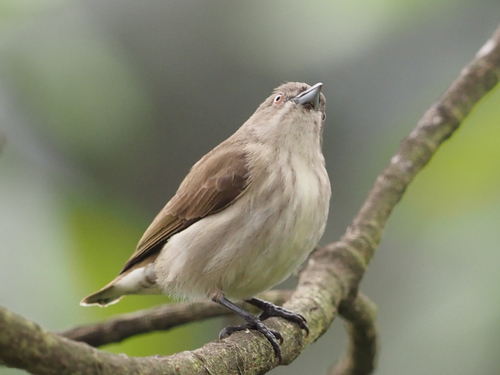 pica-flor-de-bico-grosso
 pale-billed flowerpecker
Em resumo
A marca de campo mais confiável para separar o pica-flor-de-bico-grosso do pale-billed flowerpecker é o bico: o pica-flor-de-bico-grosso tem um bico notavelmente mais robusto e escuro, enquanto o pale-billed mostra um bico esguio, distintamente pálido ou rosado e curvado. As diferenças de plumagem são sutis, mas importantes—o pica-flor-de-bico-grosso tem listras difusas na parte inferior (especialmente adultos e imaturos mais velhos), enquanto o pale-billed é liso por baixo. Os juvenis de pica-flor-de-bico-grosso têm uma base de bico mais pálida e menos listras, mas ainda tendem a mostrar algum padrão em comparação com o sempre liso pale-billed. Ambos são pássaros pequenos e ativos, mas o pica-flor-de-bico-grosso muitas vezes parece mais robusto e é mais provável de ser encontrado na copa das árvores, enquanto o pale-billed é comum em jardins e em níveis mais baixos. A voz e o comportamento podem ajudar, mas o bico e o padrão da parte inferior são as pistas de campo mais consistentes.
Dicas de identificação
- Cor e forma do bico: O pica-flor-de-bico-grosso tem um bico curto, grosso e escuro que parece pesado para seu tamanho. O pale-billed tem um bico esguio, distintamente pálido ou rosado e curvado. Esta é a marca mais confiável em boa luz e vistas próximas.
- Listras na parte inferior: Adultos e imaturos mais velhos de pica-flor-de-bico-grosso mostram listras difusas em uma parte inferior cinza-clara. O pale-billed é sempre liso por baixo—sem listras em qualquer idade. Esta é uma marca chave, especialmente em pássaros empoleirados.
- Confusão juvenil: O juvenil de pica-flor-de-bico-grosso tem uma base de mandíbulas mais pálida e menos listras por baixo, mas geralmente ainda mostra algum padrão na parte inferior. O juvenil pale-billed é liso por baixo e combina com os adultos na cor do bico (pálido/rosado). Se você ver um pássaro com a barriga lisa e um bico pálido, é um pale-billed; qualquer listagem ou um bico escuro e pesado aponta para o pica-flor-de-bico-grosso.
- Padrão da cauda: O pica-flor-de-bico-grosso tem manchas esbranquiçadas nas pontas das penas da cauda, às vezes visíveis quando a cauda está aberta ou abanando. O pale-billed não possui essa característica.
- Marcas na cabeça: Nenhuma das espécies tem supercílios ou padrões fortes na cabeça. O pica-flor-de-bico-grosso pode mostrar uma faixa de coroa fraca ao exibir, mas isso raramente é visível e não é uma marca de campo confiável.
- Cor da parte superior: Ambos são marrons ou oliva por cima, mas o pica-flor-de-bico-grosso pode parecer ligeiramente mais escuro ou mais marrom-cinza, especialmente na raça do Sri Lanka. O pale-billed é mais oliva ou marrom liso, mas isso é sutil e nem sempre útil.
- Tamanho e aparência: O pica-flor-de-bico-grosso é ligeiramente maior e mais robusto, mas isso é difícil de julgar a menos que ambos estejam lado a lado. Ambos são pequenos e ativos; a postura e o estilo de alimentação são mais úteis.
- Altura de forrageio: Em áreas onde ambos ocorrem, o pica-flor-de-bico-grosso é mais provável de ser encontrado na copa, o pale-billed em jardins e níveis mais baixos. Use isso como um contexto de apoio, não como uma marca primária.
- Comportamento alimentar: Se você ver um pica-flor limpando sementes em um galho após comer frutas, é provável que seja um pica-flor-de-bico-grosso. Se ele engole frutas inteiras e depois expele sementes, é provável que seja um pale-billed.
- Movimento da cauda: O pica-flor-de-bico-grosso frequentemente sacode sua cauda de lado a lado quando empoleirado; o pale-billed não mostra isso com tanta frequência.
- Vocalizações: Ambos emitem chamadas 'spick' ou 'chip'; apenas o pica-flor-de-bico-grosso tem uma canção mais confusa e variada. Chamadas sozinhas nem sempre são diagnósticas.
- Habitat: O pale-billed é comum em jardins e parques urbanos; o pica-flor-de-bico-grosso é mais frequentemente encontrado em florestas ou copas mais altas. Use o habitat como uma pista de apoio.
- Sexos: Ambas as espécies são sexualmente monomórficas em campo—não tente separá-las por sexo.
- Variação de subespécies: Esteja ciente de que algumas raças insulares de pica-flor-de-bico-grosso são mais escuras ou menores, mas as principais marcas de campo (bico, listras na parte inferior) permanecem válidas.
- Armadilhas: Luz fraca pode fazer o bico pálido do pale-billed parecer escuro; sempre verifique as listras na parte inferior e a forma do bico. Imaturos de pica-flor-de-bico-grosso podem parecer mais lisos por baixo, mas geralmente retêm algumas listras e um bico mais pesado.
Tamanho
Ambas as espécies estão entre os menores pássaros em sua área, mas o pale-billed flowerpecker é ligeiramente menor (cerca de 8 cm de comprimento, 6,3 g [wikidata]) em comparação com o pica-flor-de-bico-grosso (cerca de 10 cm de comprimento [wikipedia]; massa não informada, mas provavelmente ligeiramente mais pesada). No campo, a diferença de tamanho é sutil e muitas vezes mascarada pela postura e atividade, então não confie apenas no tamanho para separação.
Plumagem
- Pássaros juvenis/imaturos: O juvenil do pale-billed flowerpecker mostra uma base de mandíbulas mais pálida e menos listras por baixo do que os adultos, mas ainda tem algum padrão na parte inferior. O juvenil pale-billed é liso por baixo, combinando com os adultos, e sempre carece de listras. Nenhum padrão ou painel de asa distinto é descrito para qualquer uma das espécies em qualquer idade.
- Adultos: O pica-flor-de-bico-grosso é marrom-cinza escuro por cima, com partes inferiores cinza-escuro marcadas por listras difusas em um fundo claro e pálido. O rabo pode ser ligeiramente oliva. O pale-billed é marrom-oliva a verde-oliva por cima e oliva-clara por baixo, sem listras ou forte contraste entre as partes superiores e inferiores. O pica-flor-de-bico-grosso tem pontas esbranquiçadas nas penas da cauda, que podem ser visíveis quando empoleiradas ou abanadas. Os sexos são semelhantes em ambas as espécies.
- Cabeça: O pica-flor-de-bico-grosso pode mostrar uma faixa de coroa fraca ao exibir (de penas da coroa eretas), mas isso raramente é visível em campo. O pale-billed não possui marcas na cabeça ou supercílios.
Comportamento
Ambas as espécies são ativas e se alimentam de frutas e néctar, mas seu comportamento de forrageio difere. O pica-flor-de-bico-grosso tende a forragear mais alto na copa, especialmente no Sri Lanka, e é frequentemente visto no topo das árvores. Ele limpa sementes em galhos em vez de engolir frutas inteiras. O pale-billed flowerpecker é mais frequentemente encontrado em jardins e vegetação mais baixa, e normalmente engole frutas inteiras, depois expele as sementes pegajosas. O pica-flor-de-bico-grosso frequentemente sacode sua cauda de lado a lado quando empoleirado e pode exibir batendo as asas sobre a fêmea. Ambos são rápidos e inquietos, mas o pica-flor-de-bico-grosso pode parecer ligeiramente mais robusto e mais deliberado em movimento.
Habitat
O pica-flor-de-bico-grosso é mais frequentemente encontrado em florestas densas de baixa altitude ou, para a raça nominativa, em áreas cultivadas e florestas abertas. No Sri Lanka, ele prefere a copa. O pale-billed flowerpecker é comum em jardins urbanos, parques e áreas com árvores frutíferas, e geralmente é mais abundante e familiar em habitats modificados pelo homem. Ambos podem ocorrer juntos em algumas regiões, mas o pale-billed é muito mais provável em jardins e níveis mais baixos, enquanto o pica-flor-de-bico-grosso prefere estratos florestais mais altos ou menos perturbados.
Voz
O pale-billed flowerpecker emite uma chamada rápida de piar, frequentemente descrita como um 'chip' ou 'spick' agudo. O pica-flor-de-bico-grosso também emite uma chamada 'spick' frequente, mas sua canção é mais confusa e pode incluir notas que lembram a Prinia cinza. No campo, as chamadas são semelhantes e nem sempre diagnósticas, mas a canção mais complexa e variada do pica-flor-de-bico-grosso pode ser uma pista se ouvida bem.
pica-flor-de-bico-grosso · pale-billed flowerpecker · Minhas aves difíceis