

Motmot

ハシブトハナドリ 対 アカハシハナドリ

Pachyglossa agilis 対 Dicaeum erythrorhynchos

ハシブトハナドリとアカハシハナドリのクイズ
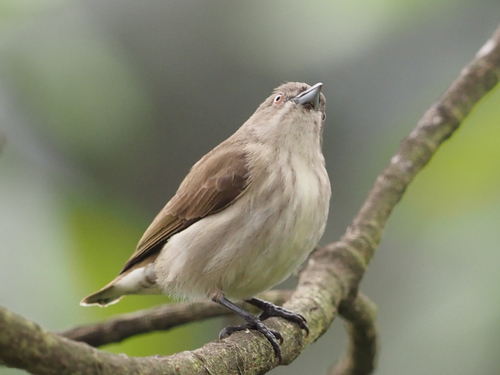
ハシブトハナドリ (Pachyglossa agilis) ハシブトハナドリ
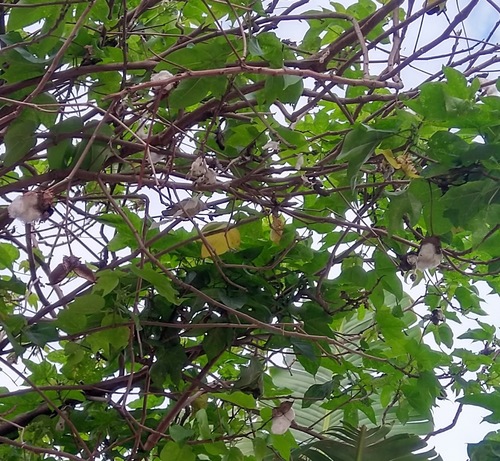
アカハシハナドリ (Dicaeum erythrorhynchos) アカハシハナドリ

メディア

読み込み中…

要点

ハシブトハナドリとアカハシハナドリを区別する最も信頼できるフィールドマークはくちばしです:ハシブトは明らかに太くて暗いくちばしを持ち、アカハシは細く、はっきりとした淡いまたはピンクがかった曲がったくちばしを示します。羽毛の違いは微妙ですが重要です—ハシブトは下側に拡散した縞模様があり(特に成鳥や古い幼鳥)、アカハシは下側が無地です。幼鳥のハシブトはくちばしの基部が淡く、縞模様が少ないですが、常に無地のアカハシと比べると何らかの模様を示す傾向があります。どちらも小さくて活発な鳥ですが、ハシブトはしばしばより大きく見え、樹冠にいる可能性が高いのに対し、アカハシは庭や低い場所で一般的です。声や行動も役立ちますが、くちばしと下側の模様が最も一貫したフィールドの手がかりです。

識別のコツ

  1. Bill color and shape: ハシブトハナドリは短くて太い暗いくちばしを持ち、そのサイズに対して重そうに見えます。アカハシは細く、はっきりとした淡いまたはピンクがかった曲がったくちばしを持っています。これは良い光と近距離での観察において最も信頼できるマークです。
  2. Underpart streaking: 成鳥や古い幼鳥のハシブトは淡いバッフィーグレーの下側に拡散した縞模様を示します。アカハシは常に下側が無地で、年齢に関係なく縞模様はありません。これは特に止まっている鳥において重要なマークです。
  3. Juvenile confusion: 幼鳥のハシブトは下顎の基部が淡く、下側の縞模様が少ないですが、通常は何らかの下側の模様を示します。幼鳥のアカハシは下側が無地で、成鳥と同じくちばしの色(淡い/ピンクがかった)を持っています。淡いくちばしの無地の腹を持つ鳥を見たら、それはアカハシです;縞模様や暗くて重いくちばしがあれば、ハシブトを示します。
  4. Tail pattern: ハシブトは尾羽の先端に白っぽい斑点を持ち、時々尾を広げたり扇形にしたときに見えることがあります。アカハシにはこの特徴がありません。
  5. Head markings: どちらの種も眉斑や強い頭の模様はありません。ハシブトはディスプレイ時にかすかな冠のストライプを示すことがありますが、これはめったに見えず、信頼できるフィールドマークではありません。
  6. Upperpart color: どちらも上面は茶色またはオリーブ色ですが、ハシブトは特にスリランカの亜種ではやや暗く見えることがあります。アカハシはよりオリーブ色または無地の茶色ですが、これは微妙で常に役立つわけではありません。
  7. Size and jizz: ハシブトはやや大きくてがっしりしていますが、これは並べて比較しないと判断が難しいです。どちらも小さくて活発で、姿勢や採餌スタイルがより役立ちます。
  8. Foraging height: 両方が生息する地域では、ハシブトは樹冠にいる可能性が高く、アカハシは庭や低い場所にいます。これは補助的な文脈として使用し、主要なマークとしては使用しないでください。
  9. Feeding behavior: ベリーを食べた後に枝で種を拭いているハナドリを見たら、それはおそらくハシブトです。ベリーを丸ごと飲み込み、後で種を排出する場合は、アカハシの可能性が高いです。
  10. Tail movement: ハシブトは止まっているときに尾を左右に振ることがよくあります;アカハシはこれを頻繁には示しません。
  11. Vocalizations: 両方が「スピック」または「チップ」と呼ばれる声を出します;ハシブトだけがより長く多様な歌を持っています。声だけでは常に診断的ではありません。
  12. Habitat: アカハシは都市の庭や公園で一般的です;ハシブトはより森林や高い樹冠にいることが多いです。生息地を補助的な手がかりとして使用してください。
  13. Sexes: 両種はフィールドで性別的に単形であり、性別で区別しようとしないでください。
  14. Subspecies variation: ハシブトのいくつかの島の亜種はより暗いまたは小さいことがありますが、主要なフィールドマーク(くちばし、下側の縞模様)は有効です。
  15. Pitfalls: 光が悪いとアカハシの淡いくちばしが暗く見えることがあります;常に下側の縞模様とくちばしの形を確認してください。幼鳥のハシブトは下側がより無地に見えることがありますが、通常は何らかの縞模様と重いくちばしを保持しています。

大きさ

両種はその範囲で最も小さな鳥の中に含まれますが、アカハシハナドリはハシブトハナドリに比べてやや小さいです(約8 cm、6.3 g [wikidata])に対して、ハシブトは約10 cm [wikipedia]です;質量は示されていませんが、やや重い可能性があります。フィールドでは、サイズの違いは微妙で、姿勢や活動によって隠されることが多いため、区別のためにサイズだけに頼らないでください。

羽色

行動

両種は活発でベリーや蜜を食べますが、採餌行動は異なります。ハシブトハナドリは特にスリランカでは樹冠の高いところで採餌する傾向があり、しばしば木の頂上に見られます。ベリーを丸ごと飲み込むのではなく、枝で種を拭きます。アカハシハナドリはより庭や低い植生で見られ、通常はベリーを丸ごと飲み込み、後で粘着性のある種を排出します。ハシブトは止まっているときに尾を左右に振ることがよくあり、雌の上を羽ばたいてディスプレイすることがあります。両方とも素早く落ち着きがありませんが、ハシブトはややがっしりしていて動きがより意図的に見えることがあります。

生息環境

ハシブトハナドリはより密な低地の森林や、指名亜種の場合は耕作された地域や開けた森林で見られることが多いです。スリランカでは樹冠を好みます。アカハシハナドリは都市の庭、公園、ベリーを実らせる木のある地域で一般的であり、一般的に人間が改変した生息地でより豊富で親しみやすいです。両方がいくつかの地域で一緒に見られることがありますが、アカハシは庭や低い場所で見られる可能性がはるかに高く、ハシブトはより高いまたはあまり disturbed forest strata を好みます。

声

アカハシハナドリは急速なチッピングコールを出し、しばしば鋭い「チップ」または「スピック」と表現されます。ハシブトも頻繁に「スピック」と呼ばれる声を出しますが、その歌はより長く、アシプリニアを思わせる音を含むことがあります。フィールドでは、声は似ており、常に診断的ではありませんが、ハシブトのより複雑で多様な歌は、よく聞こえた場合の手がかりになるかもしれません。

より良い説明を送る

比較と同じ項目を使ってください。文章はすぐに公開されます。

The most reliable field mark to separate Thick-billed from Pale-billed Flowerpecker is the bill: Thick-billed has a noticeably stouter, dark bill, while Pale-billed shows a slender, distinctly pale or pinkish curved bill. Plumage differences are subtle but important—Thick-billed has diffuse streaking on the underparts (especially adults and older immatures), while Pale-billed is plain below. Juvenile Thick-billeds have a paler bill base and fewer streaks, but still tend to show some patterning compared to the always plain Pale-billed. Both are tiny, active birds, but Thick-billed often appears bulkier and is more likely in the canopy, while Pale-billed is common in gardens and lower levels. Voice and behavior can help, but bill and underpart pattern are the most consistent field clues.

  1. Bill color and shape: Thick-billed Flowerpecker has a short, thick, dark bill that looks heavy for its size. Pale-billed has a slender, distinctly pale or pinkish curved bill. This is the single most reliable mark in good light and close views.
  2. Underpart streaking: Adult and older immature Thick-billeds show diffuse streaks on a light buffy-grey underside. Pale-billed is always plain below—no streaks at any age. This is a key mark, especially in perched birds.
  3. Juvenile confusion: Juvenile Thick-billed has a paler base to the mandible and fewer streaks below, but usually still shows some underpart patterning. Juvenile Pale-billed is plain below and matches adults in bill color (pale/pinkish). If you see a plain-bellied bird with a pale bill, it's Pale-billed; any streaking or a dark, heavy bill points to Thick-billed.
  4. Tail pattern: Thick-billed has whitish spots at the tips of the tail feathers, sometimes visible when the tail is spread or fanned. Pale-billed lacks this feature.
  5. Head markings: Neither species has a supercilium or strong head pattern. Thick-billed may show a faint crown stripe when displaying, but this is rarely visible and not a reliable field mark.
  6. Upperpart color: Both are brownish or olive above, but Thick-billed can appear slightly darker or more grey-brown, especially in the Sri Lankan race. Pale-billed is more olive or plain brown, but this is subtle and not always useful.
  7. Size and jizz: Thick-billed is slightly larger and bulkier, but this is hard to judge unless both are side by side. Both are tiny and active; posture and feeding style are more helpful.
  8. Foraging height: In areas where both occur, Thick-billed is more likely in the canopy, Pale-billed in gardens and lower levels. Use this as supporting context, not a primary mark.
  9. Feeding behavior: If you see a flowerpecker wiping seeds on a branch after eating berries, it's likely Thick-billed. If it swallows berries whole and later voids seeds, it's likely Pale-billed.
  10. Tail movement: Thick-billed often jerks its tail side-to-side when perched; Pale-billed does not show this as frequently.
  11. Vocalizations: Both give 'spick' or 'chip' calls; only Thick-billed has a more rambling, varied song. Calls alone are not always diagnostic.
  12. Habitat: Pale-billed is common in urban gardens and parks; Thick-billed is more often in forests or higher canopy. Use habitat as a supporting clue.
  13. Sexes: Both species are sexually monomorphic in the field—do not attempt to separate by sex.
  14. Subspecies variation: Be aware that some island races of Thick-billed are darker or smaller, but the main field marks (bill, underpart streaking) remain valid.
  15. Pitfalls: Poor light can make the pale bill of Pale-billed look dark; always check for underpart streaking and bill shape. Immature Thick-billeds can look plainer below, but usually retain some streaking and a heavier bill.

Both species are among the smallest birds in their range, but Pale-billed Flowerpecker is slightly smaller (about 8 cm long, 6.3 g [wikidata]) compared to Thick-billed (about 10 cm long [wikipedia]; mass not given but likely slightly heavier). In the field, size difference is subtle and often masked by posture and activity, so do not rely on size alone for separation.

  • Juvenile/immature birds: Juvenile Thick-billed Flowerpecker shows a paler base to the mandible and less streaking below than adults, but still has some underpart patterning. Juvenile Pale-billed is plain below, matching adults, and always lacks streaks. No distinctive wing pattern or panels are described for either species at any age.
  • Adults: Thick-billed is dark grey-brown above, with dull greyish underparts marked by diffuse streaks on a light buffy background. The rump can be slightly olive. Pale-billed is plain brownish to olive-green above and buff-olive below, with no streaks or strong contrast between upper- and underparts. Thick-billed has whitish tips to the tail feathers, which may be visible when perched or fanned. Sexes are similar in both species.
  • Head: Thick-billed may show a faint crown stripe when displaying (from erected crown feathers), but this is rarely visible in the field. Pale-billed lacks any head markings or supercilium.

Both species are active and feed on berries and nectar, but their foraging behavior differs. Thick-billed Flowerpecker tends to forage higher in the canopy, especially in Sri Lanka, and is often seen in the tops of trees. It wipes seeds on branches rather than swallowing berries whole. Pale-billed Flowerpecker is more often found in gardens and lower vegetation, and typically swallows berries whole, later voiding the sticky seeds. Thick-billed frequently jerks its tail side-to-side when perched and may display by fluttering over the female. Both are quick and restless, but Thick-billed can appear slightly bulkier and more deliberate in movement.

Thick-billed Flowerpecker is more often found in dense lowland forests or, for the nominate race, in cultivated areas and open forests. In Sri Lanka, it prefers the canopy. Pale-billed Flowerpecker is common in urban gardens, parks, and areas with berry-bearing trees, and is generally more abundant and familiar in human-modified habitats. Both can occur together in some regions, but Pale-billed is much more likely in gardens and lower levels, while Thick-billed prefers higher or less disturbed forest strata.

Pale-billed Flowerpecker gives a rapid chipping call, often described as a sharp 'chip' or 'spick.' Thick-billed also gives a frequent 'spick' call, but its song is more rambling and can include notes reminiscent of Ashy Prinia. In the field, the calls are similar and not always diagnostic, but the more complex, varied song of Thick-billed may be a clue if heard well.

変更を破棄しますか?

保存していない編集があります。今離れると失われます。

ハシブトハナドリ · アカハシハナドリ · 苦手な鳥