

Thick-billed Flowerpecker vs Pale-billed Flowerpecker
Pachyglossa agilis contro Dicaeum erythrorhynchos
Fai un quiz con Thick-billed Flowerpecker e Pale-billed Flowerpecker
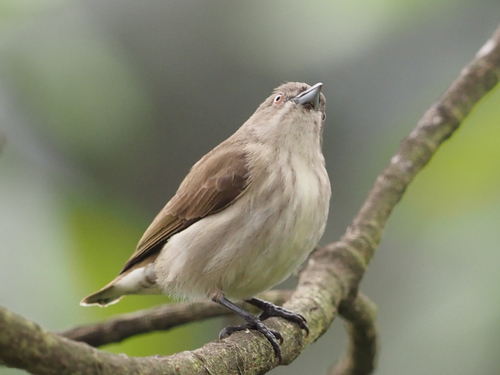 Thick-billed Flowerpecker
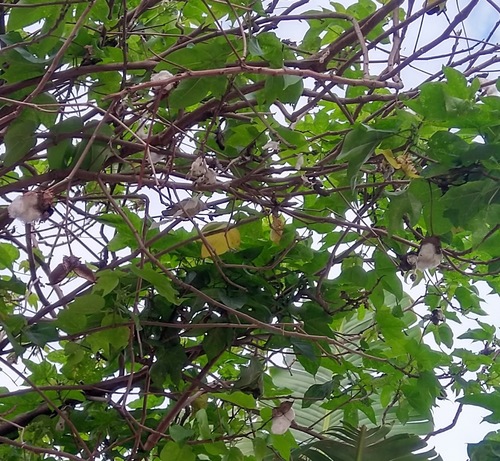 Pale-billed Flowerpecker
In breve
Il segno di campo più affidabile per separare il Thick-billed Flowerpecker dal Pale-billed Flowerpecker è il becco: il Thick-billed ha un becco notevolmente più robusto e scuro, mentre il Pale-billed mostra un becco sottile, distintamente chiaro o rosa e curvo. Le differenze nel piumaggio sono sottili ma importanti: il Thick-billed ha striature diffuse sulla parte inferiore (soprattutto negli adulti e nei giovani più grandi), mentre il Pale-billed è uniforme sotto. I giovani Thick-billed hanno una base del becco più chiara e meno striature, ma tendono comunque a mostrare qualche motivo rispetto al sempre uniforme Pale-billed. Entrambi sono uccelli piccoli e attivi, ma il Thick-billed appare spesso più robusto ed è più probabile trovarlo nella chioma degli alberi, mentre il Pale-billed è comune nei giardini e a livelli più bassi. La voce e il comportamento possono aiutare, ma il becco e il motivo della parte inferiore sono i segni di campo più coerenti.
Consigli di identificazione
- Colore e forma del becco: Il Thick-billed Flowerpecker ha un becco corto, spesso e scuro che sembra pesante per le sue dimensioni. Il Pale-billed ha un becco sottile, distintamente chiaro o rosa e curvo. Questo è il segno più affidabile in buona luce e da vicino.
- Striature della parte inferiore: Gli adulti e i giovani più grandi di Thick-billed mostrano striature diffuse su una parte inferiore grigia chiara. Il Pale-billed è sempre uniforme sotto, senza striature a qualsiasi età. Questo è un segno chiave, specialmente negli uccelli posati.
- Confusione nei giovani: Il giovane Thick-billed ha una base del becco più chiara e meno striature sotto, ma di solito mostra ancora qualche motivo nella parte inferiore. Il giovane Pale-billed è uniforme sotto e corrisponde agli adulti nel colore del becco (chiaro/rosa). Se vedi un uccello con il ventre uniforme e un becco chiaro, è un Pale-billed; qualsiasi striatura o un becco scuro e pesante indica un Thick-billed.
- Motivo della coda: Il Thick-billed ha macchie bianche sulle punte delle penne della coda, a volte visibili quando la coda è aperta o fanned. Il Pale-billed non ha questa caratteristica.
- Marcature della testa: Nessuna delle due specie ha un supercilio o un forte motivo sulla testa. Il Thick-billed può mostrare una leggera striscia sulla corona quando si esibisce, ma questo è raramente visibile e non è un segno di campo affidabile.
- Colore della parte superiore: Entrambi sono marroni o oliva sopra, ma il Thick-billed può apparire leggermente più scuro o più grigio-marrone, specialmente nella razza dello Sri Lanka. Il Pale-billed è più oliva o marrone uniforme, ma questo è sottile e non sempre utile.
- Dimensione e jizz: Il Thick-billed è leggermente più grande e robusto, ma è difficile da giudicare a meno che non siano affiancati. Entrambi sono piccoli e attivi; la postura e lo stile di alimentazione sono più utili.
- Altezza di foraggiamento: Nelle aree in cui entrambi si trovano, il Thick-billed è più probabile nella chioma, il Pale-billed nei giardini e a livelli più bassi. Usa questo come contesto di supporto, non come segno primario.
- Comportamento alimentare: Se vedi un flowerpecker che pulisce i semi su un ramo dopo aver mangiato bacche, è probabile che sia un Thick-billed. Se ingoia le bacche intere e poi espelle i semi, è probabile che sia un Pale-billed.
- Movimento della coda: Il Thick-billed spesso muove la coda da un lato all'altro quando è posato; il Pale-billed non mostra questo così frequentemente.
- Vocalizzazioni: Entrambi emettono richiami 'spick' o 'chip'; solo il Thick-billed ha una canzone più ramificata e varia. I richiami da soli non sono sempre diagnostici.
- Habitat: Il Pale-billed è comune nei giardini e nei parchi urbani; il Thick-billed è più spesso nelle foreste o nella chioma più alta. Usa l'habitat come indizio di supporto.
- Sessi: Entrambe le specie sono sessualmente monomorfiche sul campo: non tentare di separarle per sesso.
- Variazione delle sottospecie: Tieni presente che alcune razze insulari di Thick-billed sono più scure o più piccole, ma i principali segni di campo (becco, striature della parte inferiore) rimangono validi.
- Trappole: Una scarsa illuminazione può far sembrare il becco chiaro del Pale-billed scuro; controlla sempre le striature della parte inferiore e la forma del becco. I giovani Thick-billed possono apparire più uniformi sotto, ma di solito mantengono alcune striature e un becco più pesante.
Taglia
Entrambe le specie sono tra i più piccoli uccelli nel loro areale, ma il Pale-billed Flowerpecker è leggermente più piccolo (circa 8 cm di lunghezza, 6.3 g [wikidata]) rispetto al Thick-billed (circa 10 cm di lunghezza [wikipedia]; massa non fornita ma probabilmente leggermente più pesante). Sul campo, la differenza di dimensione è sottile e spesso mascherata dalla postura e dall'attività, quindi non fare affidamento sulla dimensione da sola per la separazione.
Piumaggio
- Uccelli giovani/immaturi: Il giovane Thick-billed Flowerpecker mostra una base del becco più chiara e meno striature sotto rispetto agli adulti, ma ha comunque qualche motivo nella parte inferiore. Il giovane Pale-billed è uniforme sotto, corrispondente agli adulti, e manca sempre di striature. Nessun motivo distintivo delle ali o pannelli è descritto per entrambe le specie a qualsiasi età.
- Adulti: Il Thick-billed è grigio-marrone scuro sopra, con parti inferiori grigio opaco segnate da striature diffuse su uno sfondo chiaro e buffo. Il coda può essere leggermente oliva. Il Pale-billed è marrone uniforme fino a verde oliva sopra e buffo-oliva sotto, senza striature o forte contrasto tra le parti superiori e inferiori. Il Thick-billed ha punte bianche sulle penne della coda, che possono essere visibili quando è posato o fanned. I sessi sono simili in entrambe le specie.
- Testa: Il Thick-billed può mostrare una leggera striscia sulla corona quando si esibisce (da penne della corona erette), ma questo è raramente visibile sul campo. Il Pale-billed manca di qualsiasi marcatura sulla testa o supercilio.
Comportamento
Entrambe le specie sono attive e si nutrono di bacche e nettare, ma il loro comportamento di foraggiamento differisce. Il Thick-billed Flowerpecker tende a foraggiare più in alto nella chioma, specialmente in Sri Lanka, ed è spesso visto in cima agli alberi. Pulisce i semi sui rami piuttosto che ingoiare le bacche intere. Il Pale-billed Flowerpecker si trova più spesso nei giardini e nella vegetazione bassa, e di solito ingoia le bacche intere, espellendo poi i semi appiccicosi. Il Thick-billed muove frequentemente la coda da un lato all'altro quando è posato e può esibirsi fluttuando sopra la femmina. Entrambi sono rapidi e irrequieti, ma il Thick-billed può apparire leggermente più robusto e più deliberato nei movimenti.
Habitat
Il Thick-billed Flowerpecker si trova più spesso in foreste dense di pianura o, per la razza nominativa, in aree coltivate e foreste aperte. In Sri Lanka, preferisce la chioma. Il Pale-billed Flowerpecker è comune nei giardini urbani, nei parchi e in aree con alberi da frutto, ed è generalmente più abbondante e familiare negli habitat modificati dall'uomo. Entrambi possono verificarsi insieme in alcune regioni, ma il Pale-billed è molto più probabile nei giardini e a livelli più bassi, mentre il Thick-billed preferisce strati forestali più alti o meno disturbati.
Voce
Il Pale-billed Flowerpecker emette un richiamo rapido e acuto, spesso descritto come un 'chip' o 'spick' netto. Anche il Thick-billed emette un frequente richiamo 'spick', ma la sua canzone è più ramificata e può includere note reminiscenti dell'Ashy Prinia. Sul campo, i richiami sono simili e non sempre diagnostici, ma la canzone più complessa e varia del Thick-billed può essere un indizio se ascoltata bene.
Thick-billed Flowerpecker · Pale-billed Flowerpecker · I miei uccelli difficili