

pilrito-de-temminck vs maçarico-acanelado
Calidris temminckii versus Calidris subruficollis
Jogue um quiz com pilrito-de-temminck e maçarico-acanelado
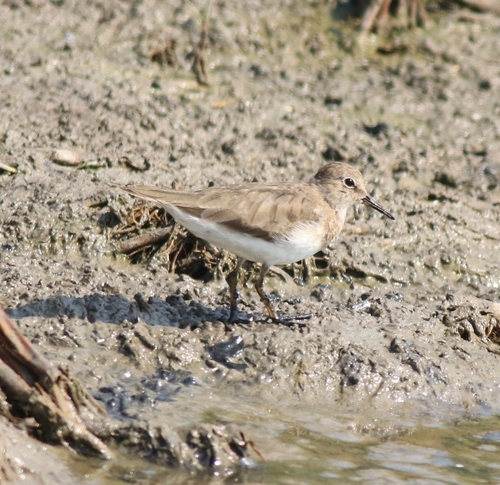 pilrito-de-temminck
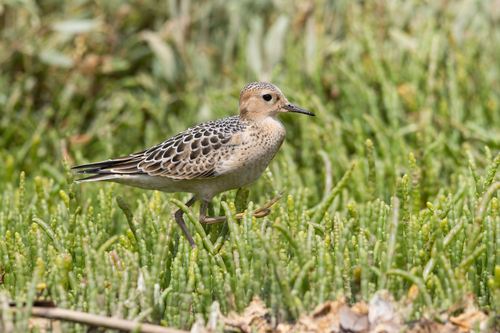 maçarico-acanelado
Em resumo
A marca de campo mais confiável para separar o pilrito-de-temminck do maçarico-acanelado é a coloração geral e a cor das pernas: o pilrito-de-temminck é um pequeno e discreto limícola com pernas amarelas ou marrons opacas e penas da cauda externas brancas, enquanto o maçarico-acanelado é maior, com um rosto e partes inferiores de cor canela distinta e pernas amarelas mais brilhantes. Os pilritos-de-temminck juvenis e não reprodutores são marrons simples por cima e brancos por baixo, sem tons canela, enquanto o maçarico-acanelado sempre apresenta um tom canela quente no rosto e no peito. Em voo ou no chão, o pilrito-de-temminck é muito menor e mais compacto, com um bico mais curto e uma postura menos ereta. Ambos podem aparecer em habitats abertos, mas o maçarico-acanelado é mais provável em campos secos e de grama curta, enquanto o pilrito-de-temminck prefere bordas lamacentas ou úmidas.
Dicas de identificação
- Tamanho e Estrutura: O pilrito-de-temminck é muito menor e mais compacto que o maçarico-acanelado. Se vistos juntos, a diferença é óbvia, mas mesmo individualmente, o pilrito-de-temminck parece pequeno e baixo em relação ao chão, enquanto o maçarico-acanelado é ereto e de pernas longas.
- Cor das Pernas: O pilrito-de-temminck tem pernas amarelas ou marrons opacas; o maçarico-acanelado tem pernas amarelas mais brilhantes. Esta é uma verificação rápida a curta distância ou em boa luz.
- Formato do Bico: Ambos têm bicos curtos, mas o bico do maçarico-acanelado é particularmente curto e reto, combinando com sua postura ereta. O bico do pilrito-de-temminck é fino, mas não tão atarracado.
- Cor do Rosto e das Partes Inferiores: O maçarico-acanelado sempre apresenta um tom canela quente no rosto e no peito, mesmo em juvenis. O pilrito-de-temminck é marron simples por cima e branco por baixo, sem tons canela em qualquer idade.
- Padrão da Cauda: O pilrito-de-temminck tem penas da cauda externas brancas, visíveis em voo ou ao se arrumar. O maçarico-acanelado não possui essa característica.
- Tom das Partes Superiores: O pilrito-de-temminck é geralmente marron ou cinza discreto por cima, com pouco contraste. O maçarico-acanelado é mais uniformemente marron por cima, mas a chave é o contraste com as partes inferiores canela.
- Padrão do Peito: O pilrito-de-temminck pode mostrar uma faixa de peito ligeiramente mais escura, mas nunca é canela. O peito do maçarico-acanelado é uniformemente canela, misturando-se com o rosto e a garganta.
- Habitat: Se o pássaro estiver em um campo seco e de grama curta, especialmente longe da água, é muito mais provável que seja um maçarico-acanelado. O pilrito-de-temminck prefere margens lamacentas ou úmidas.
- Comportamento: O maçarico-acanelado é frequentemente manso, andando ereto e pegando insetos. O pilrito-de-temminck é mais furtivo, rastejando baixo ao longo da borda da água.
- Voo: O pilrito-de-temminck pode lembrar um pequeno maçarico-das-rochas em voo, com batidas de asas rápidas e cauda externa branca. O maçarico-acanelado é mais estável e menos contrastante em voo.
- Diferenças Sexuais: Apenas o maçarico-acanelado apresenta dimorfismo sexual de tamanho (machos maiores), mas isso é sutil em campo.
- Variação Sazonal: Os adultos reprodutores do pilrito-de-temminck podem mostrar algumas penas de manto ruivas ou negras, mas a aparência geral ainda é simples. Os tons canela do maçarico-acanelado persistem durante todo o ano.
- Plumagem Juvenil: O juvenil do maçarico-acanelado é mais claro nas partes inferiores traseiras, mas ainda mostra o rosto e o peito canela. O juvenil do pilrito-de-temminck é marron simples por cima e branco por baixo.
- Comportamento de Exibição: Machos do maçarico-acanelado podem levantar as asas para mostrar as penas brancas das asas inferiores; o pilrito-de-temminck não se exibe dessa maneira.
- Contexto Geográfico: O pilrito-de-temminck é nativo do Velho Mundo; o maçarico-acanelado é um reprodutor do Novo Mundo e um raro vagante na Europa. A localização pode ajudar, mas sempre verifique as marcas de campo.
Tamanho
O pilrito-de-temminck é significativamente menor, com uma massa corporal de cerca de 26 g [wikidata] e um comprimento de 13,5–15 cm [wikipedia]. O maçarico-acanelado é notavelmente maior e mais robusto, com machos maiores que fêmeas, embora a massa exata não seja fornecida. No campo, o maçarico-acanelado parecerá ter pernas mais longas e ser mais ereto, enquanto o pilrito-de-temminck é compacto e baixo. O tamanho sozinho é frequentemente suficiente para separá-los em comparação direta.
Plumagem
O pilrito-de-temminck juvenil e não reprodutor é marron simples por cima com partes inferiores brancas e um peito ligeiramente mais escuro; nunca apresenta tons canela ou ruivos no rosto ou no peito. Suas pernas são amarelas ou marrons opacas, e as penas da cauda externas são brancas. Na plumagem de reprodução, o pilrito-de-temminck pode mostrar algumas penas de manto ruivas ou negras, mas a impressão geral permanece discreta e simples. O maçarico-acanelado, em todas as plumagens e idades, tem um rosto e partes inferiores canela quentes, com partes superiores marrons. Os juvenis são semelhantes aos adultos, mas podem ser mais claros nas partes inferiores traseiras. O bico é curto e as pernas são amarelas. O maçarico-acanelado nunca mostra as penas da cauda externas brancas marcantes do pilrito-de-temminck. Em voo, o pilrito-de-temminck pode lembrar um pequeno maçarico-das-rochas, mas o maçarico-acanelado é mais uniforme e carece de contrastes fortes.
Comportamento
O maçarico-acanelado é frequentemente muito manso e acessível, sendo visto frequentemente andando ereto em habitats abertos de grama curta, pegando insetos à vista. O pilrito-de-temminck é mais secreto, tende a se manter próximo ao chão e é mais provável de ser visto rastejando ao longo de bordas lamacentas ou de água rasa. Machos do maçarico-acanelado podem realizar uma exibição levantando as asas, mostrando as penas brancas das asas inferiores, especialmente durante a migração. O pilrito-de-temminck não se exibe dessa maneira.
Habitat
O pilrito-de-temminck é tipicamente encontrado ao longo de bordas lamacentas ou úmidas de corpos d'água doce, frequentemente no Velho Mundo. O maçarico-acanelado prefere habitats secos e de grama curta, como campos de aviação e campos de golfe, especialmente durante a migração, e é muito menos provável de ser encontrado perto da água. Embora ambos possam aparecer como vagantes, o maçarico-acanelado é um viajante regular na Europa Ocidental, mas é mais comum na América do Norte central durante a migração.
pilrito-de-temminck · maçarico-acanelado · Minhas aves difíceis