

Gambecchio nano vs Piro piro fulvo
Calidris temminckii contro Calidris subruficollis
Fai un quiz con Gambecchio nano e Piro piro fulvo
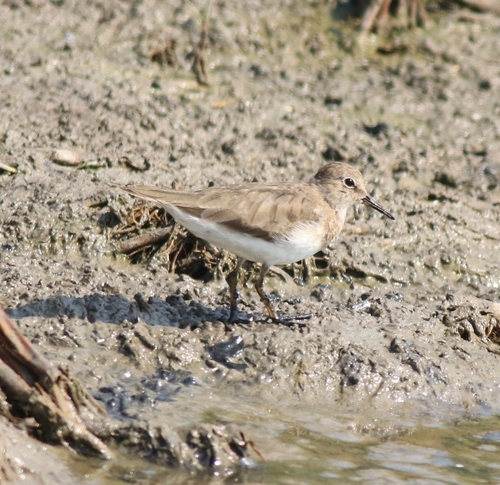 Gambecchio nano
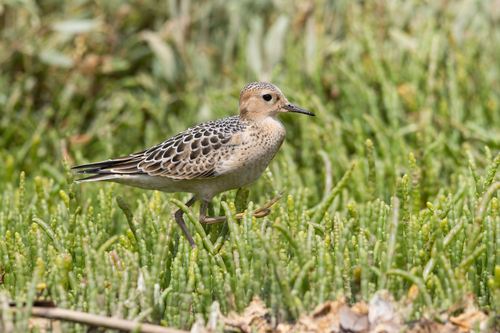 Piro piro fulvo
In breve
Il segno di campo più affidabile per separare il Gambecchio nano dal Piro piro fulvo è la colorazione generale e il colore delle gambe: il Gambecchio nano è un piccolo uccello limicolo grigio con gambe giallastre o marroni opache e penne della coda esterne bianche, mentre il Piro piro fulvo è più grande, con un volto e parti inferiori di un buff distintivo e gambe gialle più brillanti. I Gambecchi nani giovani e non in riproduzione sono di un marrone uniforme sopra e bianchi sotto, privi di toni fulvi, mentre il Piro piro fulvo mostra sempre una calda sfumatura fulva sul volto e sul petto. In volo o a terra, il Gambecchio è molto più piccolo e compatto, con un becco più corto e una postura meno eretta. Entrambi possono apparire in habitat aperti, ma il Piro piro fulvo è più probabile trovarlo in campi asciutti e a erba corta, mentre il Gambecchio preferisce i margini fangosi o umidi.
Consigli di identificazione
- Dimensioni e Struttura: Il Gambecchio nano è molto più piccolo e compatto rispetto al Piro piro fulvo. Se visti insieme, la differenza è ovvia, ma anche singolarmente, il Gambecchio appare piccolo e vicino al suolo, mentre il Piro piro fulvo è eretto e con gambe lunghe.
- Colore delle Gambe: Il Gambecchio nano ha gambe giallastre o marroni opache; il Piro piro fulvo ha gambe gialle più brillanti. Questo è un controllo rapido a distanza ravvicinata o in buona luce.
- Forma del Becco: Entrambi hanno becchi corti, ma quello del Piro piro fulvo è particolarmente corto e dritto, corrispondente alla sua postura eretta. Il becco del Gambecchio nano è fine ma non così tozzo.
- Colore del Viso e delle Parti Inferiori: Il Piro piro fulvo mostra sempre una calda sfumatura fulva sul volto e sul petto, anche nei giovani. Il Gambecchio nano è di un marrone uniforme sopra e bianco sotto, senza toni fulvi a qualsiasi età.
- Schema della Coda: Il Gambecchio nano ha penne della coda esterne bianche, visibili in volo o quando si sistema. Il Piro piro fulvo non ha questa caratteristica.
- Tono delle Parti Superiori: Il Gambecchio nano è generalmente di un marrone opaco o grigiastro sopra, con poco contrasto. Il Piro piro fulvo è più uniformemente marrone sopra, ma la chiave è il contrasto con le parti inferiori fulve.
- Schema del Petto: Il Gambecchio nano può mostrare una banda petto leggermente più scura, ma non è mai fulva. Il petto del Piro piro fulvo è uniformemente fulvo, fondendosi con il volto e la gola.
- Habitat: Se l'uccello si trova in un campo asciutto e a erba corta, specialmente lontano dall'acqua, è molto più probabile che sia un Piro piro fulvo. Il Gambecchio nano preferisce i margini fangosi o umidi.
- Comportamento: Il Piro piro fulvo è spesso domestico, camminando eretto e beccando insetti. Il Gambecchio nano è più furtivo, strisciando vicino al bordo dell'acqua.
- Volo: Il Gambecchio nano può ricordare un piccolo Piro piro piccolo in volo, con battiti d'ali rapidi e coda esterna bianca. Il Piro piro fulvo è più stabile e meno contrastante in volo.
- Differenze Sessuali: Solo il Piro piro fulvo mostra dimorfismo sessuale di dimensione (i maschi sono più grandi), ma questo è sottile sul campo.
- Variazione Stagionale: Gli adulti in riproduzione del Gambecchio nano possono mostrare alcune piume del mantello rossicce o nerastre, ma l'aspetto generale rimane comunque semplice. I toni fulvi del Piro piro fulvo persistono tutto l'anno.
- Piumaggio Giovanile: Il giovane Piro piro fulvo è più chiaro sulle parti inferiori posteriori ma mostra comunque il volto e il petto fulvi. Il giovane Gambecchio nano è di un marrone uniforme sopra e bianco sotto.
- Comportamento di Esibizione: I maschi del Piro piro fulvo possono sollevare le ali per mostrare le sottoali bianche; il Gambecchio nano non si esibisce in questo modo.
- Contesto Geografico: Il Gambecchio nano è nativo del Vecchio Mondo; il Piro piro fulvo è un riproduttore del Nuovo Mondo e raro vagabondo in Europa. La posizione può aiutare, ma controlla sempre i segni di campo.
Taglia
Il Gambecchio nano è significativamente più piccolo, con una massa corporea di circa 26 g [wikidata] e una lunghezza di 13,5–15 cm [wikipedia]. Il Piro piro fulvo è notevolmente più grande e massiccio, con maschi più grandi delle femmine, anche se non è fornita una massa esatta. Sul campo, il Piro piro fulvo apparirà con gambe più lunghe e più eretto, mentre il Gambecchio è compatto e vicino al suolo. La dimensione da sola è spesso sufficiente per separarli in un confronto diretto.
Piumaggio
Il Gambecchio nano giovane e non in riproduzione è di un marrone uniforme sopra con parti inferiori bianche e un petto leggermente più scuro; non mostra mai toni fulvi o rossicci sul volto o sul petto. Le sue gambe sono giallastre o marroni opache, e le penne della coda esterne sono bianche. In piumaggio di riproduzione, il Gambecchio può mostrare alcune piume del mantello rossicce o nerastre, ma l'impressione generale rimane opaca e semplice. Il Piro piro fulvo, in tutti i piumaggi e le età, ha un volto e parti inferiori di un caldo fulvo, con parti superiori marroni. I giovani sono simili agli adulti ma possono essere più chiari sulle parti inferiori posteriori. Il becco è corto e le gambe sono gialle. Il Piro piro fulvo non mostra mai le penne della coda esterne bianche nette del Gambecchio. In volo, il Gambecchio nano può ricordare un piccolo Piro piro piccolo, ma il Piro piro fulvo è più uniforme e privo di forti contrasti.
Comportamento
Il Piro piro fulvo è spesso molto domestico e avvicinabile, frequentemente visto camminare eretto in habitat aperti e a erba corta, beccando insetti a vista. Il Gambecchio nano è più riservato, tende a rimanere vicino al suolo ed è più probabile vederlo strisciare lungo margini fangosi o acque poco profonde. I maschi del Piro piro fulvo possono eseguire un'esibizione di sollevamento delle ali, mostrando le sottoali bianche, specialmente durante la migrazione. Il Gambecchio nano non si esibisce in questo modo.
Habitat
Il Gambecchio nano si trova tipicamente lungo i margini fangosi o umidi di corpi d'acqua dolce, spesso nel Vecchio Mondo. Il Piro piro fulvo preferisce habitat asciutti e a erba corta come aeroporti e campi da golf, specialmente durante la migrazione, ed è molto meno probabile trovarlo vicino all'acqua. Anche se entrambi possono apparire come vagabondi, il Piro piro fulvo è un vagabondo regolare in Europa occidentale ma è più comune nel centro del Nord America durante la migrazione.
Gambecchio nano · Piro piro fulvo · I miei uccelli difficili