

tawny-bellied babbler vs yellow-bellied flowerpecker
Dumetia hyperythra versus Pachyglossa melanozantha
Jogue um quiz com tawny-bellied babbler e yellow-bellied flowerpecker
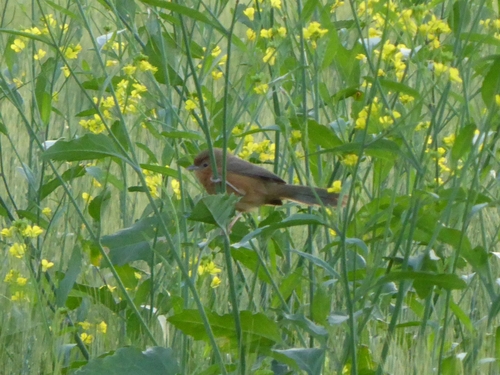 tawny-bellied babbler
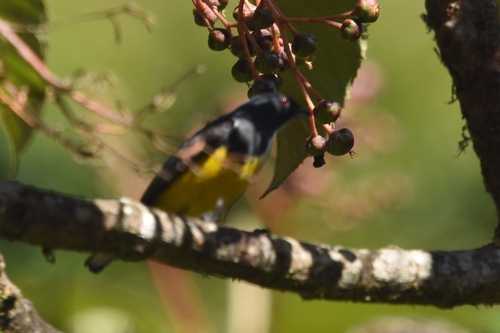 yellow-bellied flowerpecker
Em resumo
A maneira mais confiável de separar o tawny-bellied babbler do yellow-bellied flowerpecker é pela estrutura geral e comportamento de forrageio: o babbler é um pássaro de plumagem macia e cauda longa que se move em pequenos grupos baixos em arbustos densos, enquanto o flowerpecker é um pássaro minúsculo, compacto e de cauda curta, geralmente visto sozinho ou em pares, frequentemente mais alto na folhagem. O babbler apresenta uma cauda notavelmente longa e arredondada com padrões cruzados e uma barriga ruiva ou tawny, enquanto o flowerpecker é muito mais compacto e não possui a plumagem fofa e solta do babbler. Se você ver um pássaro pequeno e ativo com uma cauda muito curta e um bico grosso, especialmente no dossel ou em níveis intermediários, é quase certamente o flowerpecker. Se o pássaro estiver forrageando perto do chão em vegetação densa, com uma cauda longa e plumagem macia e acastanhada, é o babbler.
Dicas de identificação
- Comprimento e forma da cauda: O tawny-bellied babbler tem uma cauda longa e arredondada com marcas cruzadas, frequentemente mantida ereta ou aberta; a cauda do yellow-bellied flowerpecker é muito curta e mal se projeta além das coberturas da cauda.
- Estrutura do bico: O bico do babbler é esguio, ligeiramente curvado para baixo e mais longo; o bico do flowerpecker é curto, grosso e atarracado, adequado para comer frutas e néctar.
- Forma geral e postura: O babbler parece alongado e de plumagem macia, frequentemente com uma aparência solta e fofa; o flowerpecker é compacto, em forma de bola e com penas justas.
- Altura de forrageio: O babbler permanece baixo em arbustos densos ou grama, raramente acima da altura da cintura; o flowerpecker geralmente está mais alto em arbustos ou árvores, raramente no chão.
- Tamanho do grupo: Os babblers costumam estar em pequenos grupos barulhentos; os flowerpeckers geralmente são solitários ou em pares.
- Cor da parte inferior: O babbler é laranja-buff a tawny por baixo (às vezes com garganta branca, dependendo da subespécie); o flowerpecker é distintamente amarelo-barriga, mas pode ser confundido com formas de babbler mais pálidas em luz fraca—sempre verifique a cauda e a estrutura.
- Coroa e face: O babbler tem uma coroa cinza-ruiva e às vezes uma garganta branca; o flowerpecker não possui essas características e tem uma cabeça mais simples.
- Estilo de voo: O voo do babbler é fraco e tremulante, raramente sustentado; o flowerpecker é mais direto e rápido no voo.
- Vocalizações: Ouça o papo em grupo e os piados do babbler; o flowerpecker é mais silencioso, com chamadas finas e agudas.
- Contexto do habitat: Arbustos densos e baixos ou gramados favorecem fortemente o babbler; florestas abertas, jardins ou forrageio no dossel apontam para o flowerpecker.
- Comportamento: Os babblers se movem de forma semelhante a camundongos pela vegetação, às vezes descritos como semelhantes a porcos; os flowerpeckers pulam e flutuam rapidamente entre fontes de alimento.
- Textura da plumagem: A plumagem do babbler é macia e fofa; a do flowerpecker é lisa e brilhante.
- Armadilhas: Subespécies de babbler com garganta branca podem ser confundidas com o flowerpecker em visões breves, mas sempre verifique a cauda longa e as partes superiores marrons.
- Impressão de tamanho: Ambos são pequenos, mas o babbler parece mais longo e mais alongado; o flowerpecker é minúsculo e atarracado.
- Variação sazonal: Não há diferenças sazonais ou relacionadas à idade em nenhuma das espécies que confundiriam as principais marcas de campo.
Tamanho
O tawny-bellied babbler é ligeiramente maior e notavelmente de cauda mais longa, com uma massa corporal de cerca de 12,9g [wikidata]. O yellow-bellied flowerpecker é ainda menor e mais compacto, com uma cauda muito mais curta e uma construção mais atarracada no geral. O babbler parece alongado devido à sua cauda longa e arredondada, enquanto o flowerpecker tem uma forma mais esférica e não possui extensão da cauda.
Plumagem
Nenhum padrão de asa juvenil ou imaturo distintivo é descrito para nenhuma das espécies nas fontes disponíveis. Para adultos, o tawny-bellied babbler é marrom escuro por cima com uma coroa cinza-ruiva e partes inferiores laranja-buff a tawny; algumas populações têm garganta branca, enquanto outras são uniformemente marrons por baixo. A cauda é longa, oliva-marrom e apresenta marcas cruzadas. O yellow-bellied flowerpecker, por outro lado, é nomeado por sua barriga amarela e é geralmente muito mais compacto, faltando a aparência fofa e a cauda longa do babbler. A plumagem do babbler é macia e solta, enquanto a do flowerpecker é de penas mais justas e mais brilhante. A garganta branca do babbler (em algumas subespécies) pode ser uma armadilha, mas sempre está acompanhada de uma cauda longa e partes superiores marrons, ao contrário do flowerpecker.
Comportamento
Os tawny-bellied babblers costumam estar em pequenos grupos barulhentos, forrageando baixo em arbustos densos ou grama alta, frequentemente se movendo pela vegetação de uma maneira que lembra camundongos ou até porcos. Seu voo é fraco e tremulante, raramente sustentado ou alto acima da vegetação. Os yellow-bellied flowerpeckers são tipicamente solitários ou em pares, altamente ativos e frequentemente vistos flutuando rapidamente entre flores ou frutas, geralmente mais altos na folhagem. Seus movimentos são mais diretos e menos furtivos do que os do babbler, e eles raramente passam muito tempo no chão ou perto dele.
Habitat
O tawny-bellied babbler é quase sempre encontrado em arbustos baixos, gramados altos ou vegetação densa, raramente aventurando-se em áreas abertas ou alto em árvores. O yellow-bellied flowerpecker é encontrado em uma gama mais ampla de habitats florestais, incluindo bordas de florestas, jardins e mais alto em árvores e arbustos, frequentemente nos níveis intermediários a superiores da vegetação. Se o pássaro for visto forrageando perto do chão em cobertura densa, é muito mais provável que seja o babbler; se estiver no dossel ou em galhos expostos, o flowerpecker é favorecido.
Voz
O tawny-bellied babbler produz notas de piados, chilreios ou conversas ásperas enquanto forrageia, frequentemente em um coro de grupo. Nenhuma vocalização específica é descrita para o yellow-bellied flowerpecker nas notas disponíveis, mas os flowerpeckers geralmente têm chamadas finas e agudas, frequentemente notas únicas ou duplas, e são menos propensos a produzir o papo em grupo do babbler.
tawny-bellied babbler · yellow-bellied flowerpecker · Minhas aves difíceis