

Tawny-bellied Babbler vs Yellow-bellied Flowerpecker
Dumetia hyperythra contro Pachyglossa melanozantha
Fai un quiz con Tawny-bellied Babbler e Yellow-bellied Flowerpecker
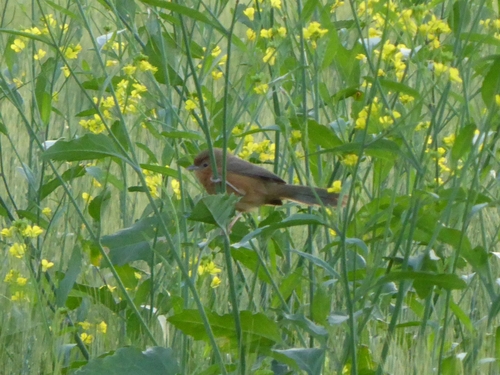 Tawny-bellied Babbler
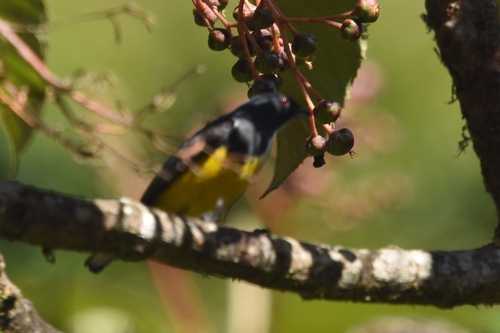 Yellow-bellied Flowerpecker
In breve
Il modo più affidabile per separare il Tawny-bellied Babbler dal Yellow-bellied Flowerpecker è attraverso la struttura generale e il comportamento di foraggiamento: il babbler è un uccello a piumaggio morbido e coda lunga che si muove in piccoli gruppi bassi in cespugli densi, mentre il flowerpecker è un uccello minuscolo, compatto e a coda corta, tipicamente visto da solo o in coppie, spesso più in alto nel fogliame. Il babbler mostra una coda visibilmente lunga e arrotondata con un motivo a raggi incrociati e un ventre ruggine o fulvo, mentre il flowerpecker è molto più compatto e privo del piumaggio soffice e morbido del babbler. Se vedi un piccolo uccello attivo con una coda molto corta e un becco tozzo, specialmente nella chioma o a livelli medi, è quasi certamente il flowerpecker. Se l'uccello sta foraggiando vicino al suolo in una fitta vegetazione, con una lunga coda e un piumaggio morbido e bruno, è il babbler.
Consigli di identificazione
- Lunghezza e forma della coda: Il Tawny-bellied Babbler ha una coda lunga e arrotondata con marcature a raggi incrociati, spesso tenuta sollevata o aperta; la coda del Yellow-bellied Flowerpecker è molto corta e proietta appena oltre le copritrici della coda.
- Struttura del becco: Il becco del babbler è snello, leggermente ricurvo e più lungo; il becco del flowerpecker è corto, spesso e tozzo, adatto per mangiare frutta e nettare.
- Forma e postura generale: Il babbler appare allungato e a piumaggio morbido, spesso con un aspetto soffice e vaporoso; il flowerpecker è compatto, simile a una palla e con piumaggio aderente.
- Altezza di foraggiamento: Il babbler rimane basso in cespugli densi o erba, raramente sopra l'altezza della vita; il flowerpecker è solitamente più in alto in arbusti o alberi, raramente a terra.
- Dimensione del gruppo: I babblers sono spesso in piccoli gruppi rumorosi; i flowerpeckers sono solitamente solitari o in coppie.
- Colore della parte inferiore: Il babbler è arancio-fulvo a fulvo sotto (a volte con gola bianca, a seconda della sottospecie); il flowerpecker è distintamente giallo-ventre, ma può essere confuso con forme di babbler più chiare in scarsa luce—controlla sempre la coda e la struttura.
- Corona e faccia: Il babbler ha una corona grigio-rossiccia e a volte una gola bianca; il flowerpecker manca di queste caratteristiche e ha una testa più semplice.
- Stile di volo: Il volo del babbler è debole e tremolante, raramente sostenuto; il flowerpecker è più diretto e rapido nel volo.
- Vocalizzazioni: Ascolta il chiacchiericcio e il cinguettio di gruppo del babbler; il flowerpecker è più silenzioso, con richiami sottili e acuti.
- Contesto dell'habitat: Cespugli densi e bassi o praterie favoriscono fortemente il babbler; boschi aperti, giardini o foraggiamento nella chioma indicano il flowerpecker.
- Comportamento: I babblers si muovono in modo simile ai topi attraverso la vegetazione, a volte descritti come simili ai maiali; i flowerpeckers saltellano e si muovono rapidamente tra le fonti di cibo.
- Texture del piumaggio: Il piumaggio del babbler è morbido e vaporoso; quello del flowerpecker è liscio e lucido.
- Trappole: Le sottospecie di babbler con gola bianca possono essere scambiate per flowerpecker in visioni brevi, ma controlla sempre la lunga coda e le parti superiori brune.
- Impressione di dimensione: Entrambi sono piccoli, ma il babbler sembra più lungo e allungato; il flowerpecker è minuscolo e tozzo.
- Variazione stagionale: Non ci sono forti differenze stagionali o legate all'età in nessuna delle due specie che possano confondere i principali segni sul campo.
Taglia
Il Tawny-bellied Babbler è leggermente più grande e visibilmente con coda più lunga, con una massa corporea di circa 12.9g [wikidata]. Il Yellow-bellied Flowerpecker è ancora più piccolo e più compatto, con una coda molto più corta e una struttura complessivamente più tozza. Il babbler appare allungato a causa della sua lunga coda arrotondata, mentre il flowerpecker è più a forma di palla e privo di qualsiasi estensione della coda.
Piumaggio
Non sono descritti schemi distintivi di ali giovanili o immature per nessuna delle due specie nelle fonti disponibili. Per gli adulti, il Tawny-bellied Babbler è marrone scuro sopra con una corona grigio-rossiccia e parti inferiori arancio-fulvo a fulvo; alcune popolazioni hanno una gola bianca, mentre altre sono uniformemente marroni sotto. La coda è lunga, marrone oliva e mostra marcature a raggi incrociati. Il Yellow-bellied Flowerpecker, al contrario, è chiamato per il suo ventre giallo ed è generalmente molto più compatto, privo dell'aspetto soffice e lungo della coda del babbler. Il piumaggio del babbler è morbido e sciolto, mentre il flowerpecker ha piumaggio più aderente e lucido. La gola bianca del babbler (in alcune sottospecie) può essere una trappola, ma è sempre abbinata a una lunga coda e parti superiori brune, a differenza del flowerpecker.
Comportamento
I Tawny-bellied Babblers sono solitamente in piccoli gruppi rumorosi, foraggiando bassi in cespugli densi o erba alta, spesso muovendosi attraverso la vegetazione in un modo che ricorda i topi o persino i maiali. Il loro volo è debole e tremolante, raramente sostenuto o alto sopra la vegetazione. I Yellow-bellied Flowerpeckers sono tipicamente solitari o in coppie, molto attivi e spesso visti saltellare rapidamente tra fiori o bacche, di solito più in alto nel fogliame. I loro movimenti sono più diretti e meno furtivi rispetto a quelli del babbler, e raramente trascorrono molto tempo a terra o vicino al suolo.
Habitat
Il Tawny-bellied Babbler si trova quasi sempre in cespugli bassi, praterie alte o vegetazione densa, raramente avventurandosi in aree aperte o in alto sugli alberi. Il Yellow-bellied Flowerpecker si trova in una gamma più ampia di habitat boschivi, inclusi i margini delle foreste, giardini e più in alto in alberi e arbusti, spesso nei livelli medi o superiori della vegetazione. Se l'uccello viene visto foraggiare vicino al suolo in una fitta copertura, è molto più probabile che sia un babbler; se nella chioma o su rametti esposti, si favorisce il flowerpecker.
Voce
Il Tawny-bellied Babbler produce note di cinguettio, fruscio o chiacchiericcio aspro mentre foraggia, spesso in un coro di gruppo. Nessuna vocalizzazione specifica è descritta per il Yellow-bellied Flowerpecker nelle note disponibili, ma i flowerpeckers generalmente hanno richiami sottili e acuti, spesso note singole o doppie, e sono meno propensi a produrre il chiacchiericcio di gruppo del babbler.
Tawny-bellied Babbler · Yellow-bellied Flowerpecker · I miei uccelli difficili