

Motmot

インドチメドリ 対 キバラハナドリ

Dumetia hyperythra 対 Pachyglossa melanozantha

インドチメドリとキバラハナドリのクイズ
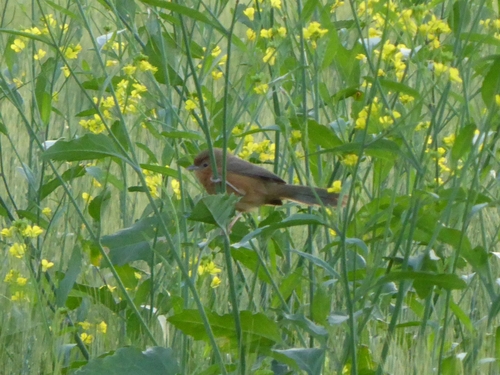
インドチメドリ (Dumetia hyperythra) インドチメドリ
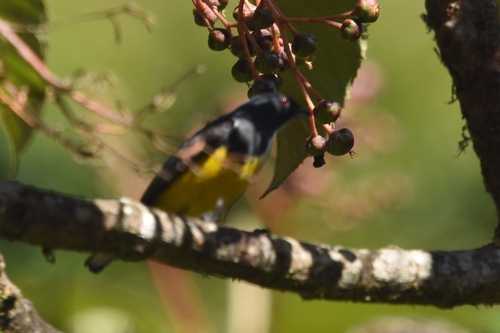
キバラハナドリ (Pachyglossa melanozantha) キバラハナドリ

メディア

読み込み中…

要点

インドチメドリとキバラハナドリを分ける最も信頼できる方法は、全体的な構造と採餌行動によるものです:インドチメドリは柔らかい羽毛を持つ長い尾の鳥で、密な低木の中を小さな群れで移動します。一方、キバラハナドリは非常に小さく、コンパクトで短い尾を持つ鳥で、通常は単独またはペアで見られ、しばしば葉の高い位置にいます。インドチメドリは、交差した模様のある明らかに長く丸い尾と、赤褐色または黄褐色の腹部を示しますが、キバラハナドリははるかにコンパクトで、インドチメドリのふわふわした緩い羽毛がありません。非常に短い尾と太いくちばしを持つ小さく活発な鳥を見た場合、特に樹冠や中層であれば、それはほぼ確実にキバラハナドリです。もしその鳥が密な低木の中で地面近くを採餌していて、長い尾と柔らかい茶色の羽毛を持っているなら、それはインドチメドリです。

識別のコツ

  1. 尾の長さと形状: インドチメドリは交差した模様のある長く丸い尾を持ち、しばしば立てたり扇形にしたりします;キバラハナドリの尾は非常に短く、尾羽の覆いの外にほとんど出ません。
  2. くちばしの構造: インドチメドリのくちばしは細長く、わずかに下向きで、長いです;キバラハナドリのくちばしは短く、太く、ずんぐりしており、果物や蜜を食べるのに適しています。
  3. 全体的な形状と姿勢: インドチメドリは細長く柔らかい羽毛を持ち、しばしば緩くふわふわした外観をしています;キバラハナドリはコンパクトで球状で、羽毛が引き締まっています。
  4. 採餌の高さ: インドチメドリは密な低木や草の中で低く留まり、腰の高さを超えることはほとんどありません;キバラハナドリは通常、低木や木の高い位置にいて、地面にはめったにいません。
  5. 群れのサイズ: インドチメドリはしばしば小さくて騒がしい群れでいます;キバラハナドリは通常、単独またはペアでいます。
  6. 腹部の色: インドチメドリはオレンジ褐色から黄褐色の腹部を持ち(亜種によっては白い喉を持つこともあります);キバラハナドリは明確に黄色い腹部を持ちますが、薄いインドチメドリの形態と混同されることがあります—常に尾と構造を確認してください。
  7. 頭頂と顔: インドチメドリは赤褐色の灰色の頭頂を持ち、時には白い喉を持ちます;キバラハナドリはこれらの特徴を欠き、より地味な頭を持っています。
  8. 飛行スタイル: インドチメドリの飛行は弱く、ひらひらしており、持続することはほとんどありません;キバラハナドリはより直接的で迅速な飛行をします。
  9. 鳴き声: インドチメドリの群れのチャッターやチープ音を聞いてください;キバラハナドリは静かで、細く高音の呼び声を持っています。
  10. 生息地の文脈: 密な低木や草地はインドチメドリを強く好みます;開けた森林、庭、または樹冠の採餌はキバラハナドリを示します。
  11. 行動: インドチメドリは低木の中をマウスのように移動し、時には豚のように描写されます;キバラハナドリは食物源の間を素早く跳ねたり飛び回ったりします。
  12. 羽毛の質感: インドチメドリの羽毛は柔らかくふわふわしています;キバラハナドリの羽毛は滑らかで光沢があります。
  13. 落とし穴: 白い喉のインドチメドリの亜種は、短い視界でキバラハナドリと間違えられることがありますが、常に長い尾と茶色の上面を確認してください。
  14. サイズの印象: 両者は小さいですが、インドチメドリは長くて細長く感じられます;キバラハナドリは非常に小さくずんぐりしています。
  15. 季節的変化: どちらの種にも、主要なフィールドマークを混乱させるような強い季節的または年齢に関連する違いはありません。

大きさ

インドチメドリはわずかに大きく、明らかに長い尾を持ち、体重は約12.9gです [wikidata]。キバラハナドリはさらに小さく、よりコンパクトで、はるかに短い尾と全体的にずんぐりした体型を持っています。インドチメドリは長い丸い尾のために細長く見えますが、キバラハナドリはより球状で、尾の延長がありません。

羽色

利用可能な情報源には、どちらの種にも特有の幼鳥や未熟な翼の模様は記載されていません。成鳥の場合、インドチメドリは上面が暗褐色で、赤褐色の灰色の頭頂とオレンジ褐色から黄褐色の腹部を持ちます;一部の個体群は白い喉を持ち、他は下側が均一に茶色です。尾は長くオリーブ褐色で、交差した模様があります。対照的に、キバラハナドリはその黄色い腹部にちなんで名付けられ、一般的にインドチメドリのふわふわした外観と長い尾が欠けており、はるかにコンパクトです。インドチメドリの羽毛は柔らかく緩いですが、キバラハナドリは羽毛が引き締まっており、より光沢があります。インドチメドリの白い喉(いくつかの亜種において)は落とし穴になることがありますが、常に長い尾と茶色の上面と組み合わさっており、キバラハナドリとは異なります。

行動

インドチメドリは通常、小さくて騒がしい群れで、密な低木や高い草の中で低く採餌し、しばしばマウスや豚のように低木の中を移動します。彼らの飛行は弱くひらひらしており、持続することはほとんどなく、植生の上を高く飛ぶことはありません。キバラハナドリは通常、単独またはペアで、非常に活発で、しばしば花やベリーの間を素早く飛び回っているのが見られ、通常は葉の高い位置にいます。彼らの動きはインドチメドリよりも直接的で、隠れることは少なく、地面の上や近くで多くの時間を過ごすことはほとんどありません。

生息環境

インドチメドリはほぼ常に低木、草地、または密な低木の中に見られ、開けた場所や高い木に出かけることはほとんどありません。キバラハナドリは森林の縁、庭、高い木や低木の中で、しばしば植生の中層から上層に見られる、より広範な森林生息地に見られます。もしその鳥が密な覆いの中で地面近くを採餌しているのが見られた場合、インドチメドリの可能性が高いです;樹冠や露出した小枝の上にいる場合は、キバラハナドリが好まれます。

声

インドチメドリは採餌中にチープ音、ツイッター音、または厳しいチャッター音を出し、しばしば群れで合唱します。利用可能なメモにはキバラハナドリの特定の鳴き声は記載されていませんが、一般的にキバラハナドリは細く高音の呼び声を持ち、しばしば単音または二重音で、インドチメドリの群れのチャッターを出す可能性は低いです。

より良い説明を送る

比較と同じ項目を使ってください。文章はすぐに公開されます。

The most reliable way to separate Tawny-bellied Babbler from Yellow-bellied Flowerpecker is by overall structure and foraging behavior: the babbler is a soft-plumaged, long-tailed bird that moves in small groups low in dense scrub, while the flowerpecker is a tiny, compact, short-tailed bird typically seen alone or in pairs, often higher in foliage. The babbler shows a noticeably long, rounded tail with cross-rayed patterning and a rufous or tawny belly, while the flowerpecker is much more compact and lacks the babbler's fluffy, loose plumage. If you see a small, active bird with a very short tail and a stubby bill, especially in the canopy or mid-levels, it's almost certainly the flowerpecker. If the bird is foraging close to the ground in thick undergrowth, with a long tail and soft, brownish plumage, it's the babbler.

  1. Tail length and shape: Tawny-bellied Babbler has a long, rounded tail with cross-rayed markings, often held cocked or fanned; Yellow-bellied Flowerpecker's tail is very short and barely projects beyond the undertail coverts.
  2. Bill structure: Babbler's bill is slender, slightly decurved, and longer; flowerpecker's bill is short, thick, and stubby, suited for eating fruit and nectar.
  3. Overall shape and posture: Babbler appears elongated and soft-plumaged, often with a loose, fluffy look; flowerpecker is compact, ball-like, and tight-feathered.
  4. Foraging height: Babbler stays low in dense scrub or grass, rarely above waist height; flowerpecker is usually higher in shrubs or trees, rarely on the ground.
  5. Group size: Babblers are often in small, noisy groups; flowerpeckers are usually solitary or in pairs.
  6. Underpart color: Babbler is orange-buff to tawny below (sometimes white-throated, depending on subspecies); flowerpecker is distinctly yellow-bellied, but may be confused with paler babbler forms in poor light—always check tail and structure.
  7. Crown and face: Babbler has a rufous-grey crown and sometimes a white throat; flowerpecker lacks these features and has a plainer head.
  8. Flight style: Babbler's flight is weak and fluttery, rarely sustained; flowerpecker is more direct and rapid in flight.
  9. Vocalizations: Listen for the babbler's group chatter and cheeping; flowerpecker is quieter, with thin, high-pitched calls.
  10. Habitat context: Dense, low scrub or grassland strongly favors babbler; open woodland, gardens, or canopy foraging points to flowerpecker.
  11. Behavior: Babblers move mouse-like through undergrowth, sometimes described as pig-like; flowerpeckers hop and flit quickly between food sources.
  12. Plumage texture: Babbler's plumage is soft and fluffy; flowerpecker's is smooth and glossy.
  13. Pitfalls: White-throated babbler subspecies can be mistaken for flowerpecker in brief views, but always check for the long tail and brown upperparts.
  14. Size impression: Both are small, but babbler feels longer and more elongated; flowerpecker is tiny and stubby.
  15. Seasonal variation: No strong seasonal or age-related differences in either species that would confuse the main field marks.

Tawny-bellied Babbler is slightly larger and noticeably longer-tailed, with a body mass of about 12.9g [wikidata]. The Yellow-bellied Flowerpecker is even smaller and more compact, with a much shorter tail and a stubbier build overall. The babbler appears elongated due to its long, rounded tail, while the flowerpecker is more ball-shaped and lacks any tail extension.

No distinctive juvenile or immature wing patterns are described for either species in the available sources. For adults, the Tawny-bellied Babbler is dark brown above with a rufous-grey crown and orange-buff to tawny underparts; some populations have a white throat, while others are uniformly brown below. The tail is long, olive-brown, and shows cross-rayed markings. The Yellow-bellied Flowerpecker, by contrast, is named for its yellow belly and is generally much more compact, lacking the babbler's fluffy appearance and long tail. The babbler's plumage is soft and loose, while the flowerpecker is tighter-feathered and more glossy. The babbler's white throat (in some subspecies) can be a pitfall, but is always paired with a long tail and brown upperparts, unlike the flowerpecker.

Tawny-bellied Babblers are usually in small, noisy groups, foraging low in dense scrub or tall grass, often moving through undergrowth in a manner reminiscent of mice or even pigs. Their flight is weak and fluttery, rarely sustained or high above the vegetation. Yellow-bellied Flowerpeckers are typically solitary or in pairs, highly active, and often seen flitting quickly between flowers or berries, usually higher in the foliage. Their movements are more direct and less skulking than the babbler's, and they rarely spend much time on or near the ground.

Tawny-bellied Babbler is almost always found in low scrub, tall grassland, or dense undergrowth, rarely venturing into open areas or high in trees. Yellow-bellied Flowerpecker is found in a wider range of wooded habitats, including forest edges, gardens, and higher up in trees and shrubs, often in the mid to upper levels of vegetation. If the bird is seen foraging near the ground in thick cover, babbler is far more likely; if in the canopy or on exposed twigs, flowerpecker is favored.

Tawny-bellied Babbler produces cheeping, twittering, or harsh chattering notes while foraging, often in a group chorus. No specific vocalization is described for Yellow-bellied Flowerpecker in the available notes, but flowerpeckers generally have thin, high-pitched calls, often single or double notes, and are less likely to produce the babbler's group chatter.

変更を破棄しますか?

保存していない編集があります。今離れると失われます。

インドチメドリ · キバラハナドリ · 苦手な鳥